
Why is my dog acting strangely? Vet reveals six ways hot weather impacts dogs psychologically - and how to deal with them
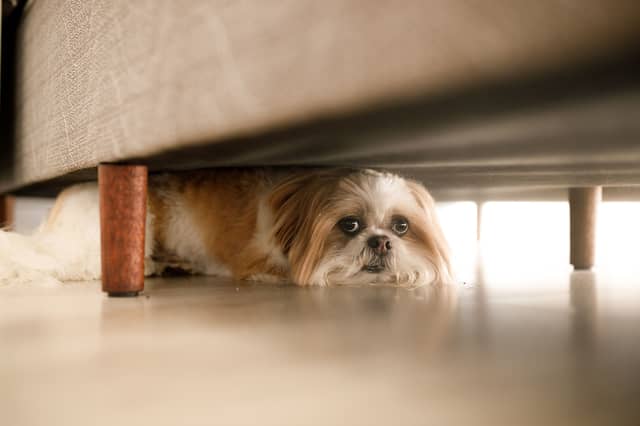

Hot weather affects our four-legged friends mentally as well as physically.
As temperatures soar across the UK, veterinarians are highlighting an often-overlooked consequence of hot weather: significant behavioural changes in dogs that can leave owners confused and concerned.
Dr Aimee Warner, resident veterinarian at Waggel, explains: "We focus so much on the physical risks of heat - dehydration, heatstroke, burnt paws - that we miss the psychological impact.
“Heat stress affects pets' behaviour in ways that can be quite dramatic, and owners often don't realise these changes are weather-related.
“Unlike the obvious physical symptoms, behavioural shifts can be subtle at first but deeply unsettling for both pets and their families.
“Understanding what's normal versus concerning can prevent unnecessary anxiety and help owners respond appropriately.”
Here are 6 behavioural changes every dog owner might recognise - and the best way to respond.
Increased restlessness and anxiety
Pets may pace, pant excessively when not overheated, or seem unable to settle. This restless energy often stems from discomfort they can't communicate. It's particularly common in dogs who are naturally more active.
How to help your pet cope: Create multiple cool zones throughout your home using fans, cooling mats, or damp towels. Guide pacing pets to these spots and reward calm behaviour with treats or gentle praise.
Dramatic changes in sleep patterns
Many pets become more lethargic during the day but restless at night. They may abandon their usual sleeping spots in favour of cool tiles, under beds, or even in bathtubs. There are no formal studies on nocturnal restlessness; this observation comes mainly from owner reports and clinical experience. This isn't just seeking comfort – it's a coping mechanism.
How to help your pet cope: Move bedding to the coolest room with tiled floors if possible. Try calming music or white noise to help anxious pets settle during hot nights.
Appetite fluctuations that worry owners
Reduced appetite in hot weather is often completely normal, but owners panic when their pet won't eat. Conversely, some pets may drink excessively or seek out unusual foods. Both can be heat-related behavioural adaptations.
How to help your pet cope: Offer smaller, more frequent meals during cooler parts of the day. Add water to dry food or provide frozen treats like plain yoghurt to encourage eating whilst providing cooling relief.
Clinginess or withdrawal
Some pets become unusually dependent, following their owners around constantly. Others do the opposite – hiding away and avoiding interaction. Both responses can indicate heat stress affecting their emotional regulation.
How to help your pet cope: Don't force interaction with withdrawn pets – provide quiet, cool retreats. For clingy pets, establish regular 'cooling breaks' in well-ventilated areas.
Increased irritability or aggression
Heat can make pets snappy, less tolerant of handling, or protective over water bowls and cool spots. Even gentle pets may show uncharacteristic aggression when they're uncomfortable. If this behaviour is paired with heavy panting, confusion, or collapse, treat it as an emergency – these signs can precede heatstroke, so start gentle cooling and seek veterinary help immediately.
How to help your pet cope: Place multiple water stations around your home to reduce competition. Feed pets separately if they're becoming possessive, and avoid unnecessary handling during peak heat.
Destructive or compulsive behaviours
Anxiety from heat discomfort can manifest as increased digging, scratching at doors, or repetitive behaviours. Indoor cats might scratch furniture more, whilst dogs may become destructive when left alone. This isn’t universal – it’s only a possible response, and current evidence is largely anecdotal, with more research needed.
How to help your pet cope: Increase mental stimulation with puzzle feeders or frozen Kong toys. Tire them out mentally rather than physically – indoor sniffing games work brilliantly without generating excess body heat.
Comments
Want to join the conversation? Please or to comment on this article.