
What is Pet Lag? How the clocks changing impacts pets - and how to help dogs and cats cope
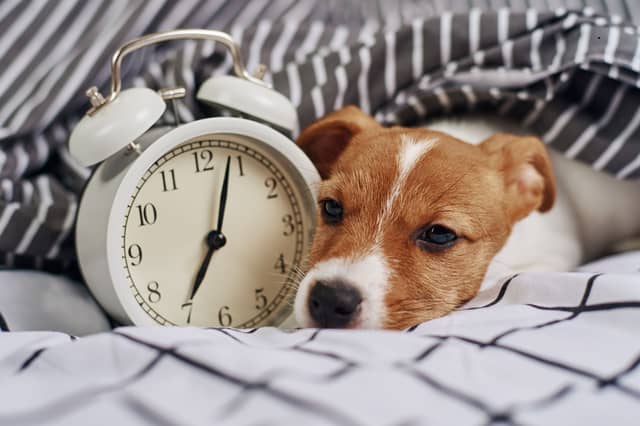

It can be a confusing time of year for our furry friends.
It’s less than a week until the clocks ‘fall back’ for winter and we all enjoy an extra hour in bed as the nights draw in.
But it can lead to mixups - as anybody who turned up to an appointment an hour early after forgetting about it can attest.
It means pet owners may need to prepare for ‘pet lag’ when the clocks go back on October 25, as the one-hour shift can throw animals’ usual routines for meals, walks and sleep out of sync.
Some pets may experience confusion and anxiety and appear restless, start whining or become more demanding around their usual meal or walk times.
To help out the experts at award-winning pet insurance provider Insure Your Paws has outlined how pet owners can help pets adjust smoothly.
Andrew Simpson, Head of Pet at Insure Your Paws explained: “Pets, particularly cats and dogs, are creatures of habit. Sudden changes in their daily routine, including walks, meals, rest, can cause confusion and perhaps even anxiety.
Just as humans need time to recover from jetlag, pets may experience their own kind of ‘pet lag’ and take a few days to adjust to the clock change.“
Here’s his advice,
Adjust the routine gradually
Start about a week before the clocks change by shifting feeding, walks and bedtimes by 10 to 15 minutes a day so the change is less drastic.
Provide comfort and stimulation
Offer calming activities, attention and mental stimulation to help reduce anxiety during the adjustment period.
Be patient and understanding
Pets may take several days to adapt, in the same way as people need to adjust when changing time zones.
Ensure safety during darker evenings
For dogs, darker evenings mean walks with reduced visibility: use reflective gear or lights and stick to familiar routes. For cats, consider keeping them indoors a little earlier to avoid traffic risks after nightfall.
Make sure you don't miss a moment of breaking news from across Scotland by signing up to our free newsletter here.
Comments
Want to join the conversation? Please or to comment on this article.