
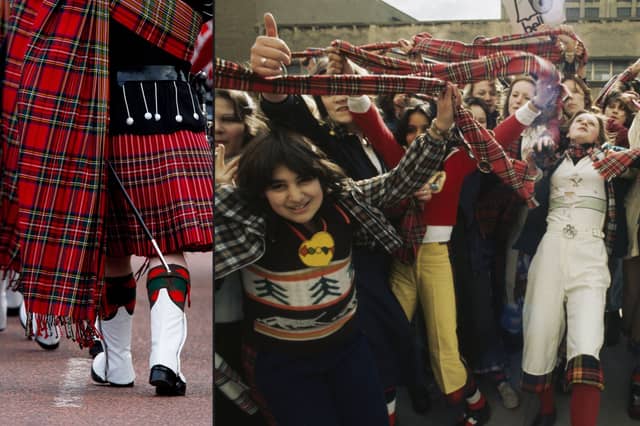


Instantly recognisable, tartan is a type of woven design which uses horizontal and vertical stripes to build a pattern of checks.
Also known as plaid - a word which comes from Scottish Gaelic - tartan is traditionally made of wool, with the hardwearing material known to have been worn in Scotland as early as the third century.
The country’s oldest surviving fragment of “true tartan”, discovered around 40 years ago in a peat bog, has been dated back to somewhere between 1500-1600 AD by historians.
The colourful fabric is matched with an equally colourful past. Tartan kilts went from everyday wear for Highlanders to a symbol of rebellion against the English under Bonnie Prince Charlie.
Following the Jacobites’ defeat during the Battle of Culloden in 1746, the Act of Proscription was passed which suppressed Highland dress. Tartan was restricted - though not entirely banned - until the act was repealed in 1782. However, by that time the everyday connection between tartan and Highlanders and long been severed.
In more recent years tartan has been a symbol of both the traditional and the subversive, with some countries around the world even celebrating Tartan Day.
Here are seventeen facts about tartan you (probably) never knew.
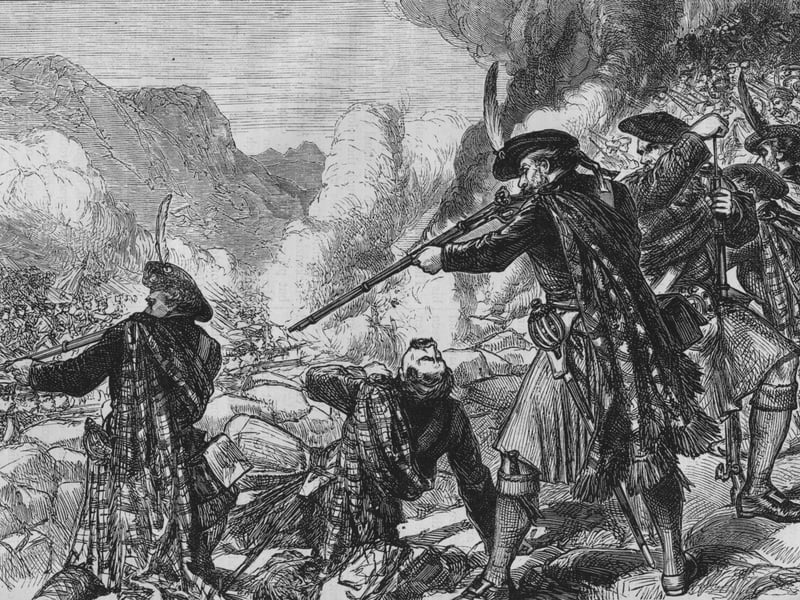
13. Eagle feathers on tartan bonnets are for Clan Chieftains
Despite the proliferation of this trend, the presence of eagle feathers in a tartan wearer’s bonnet (hat) should only be permitted if the wearer in question is a clan chieftain. In addition - to best avoid unintentional disrespect - it is recommended that kilts reach the middle of the kneecap, regardless of tartan. | Getty Images
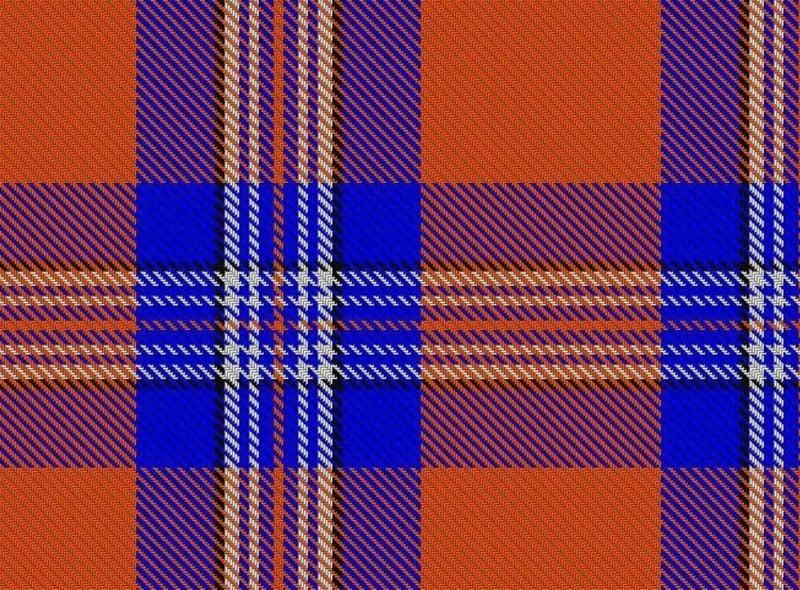
14. Irn Bru has its very own tartan
Irn Bru's own tartan was originally designed in 1969 as the 'Barr tartan' and was updated in the 90s with a redesign by Kinloch Anderson that saw its name changed to 'Irn-Bru tartan'. It has since been registered with the Scottish Tartans Society. | Contributed
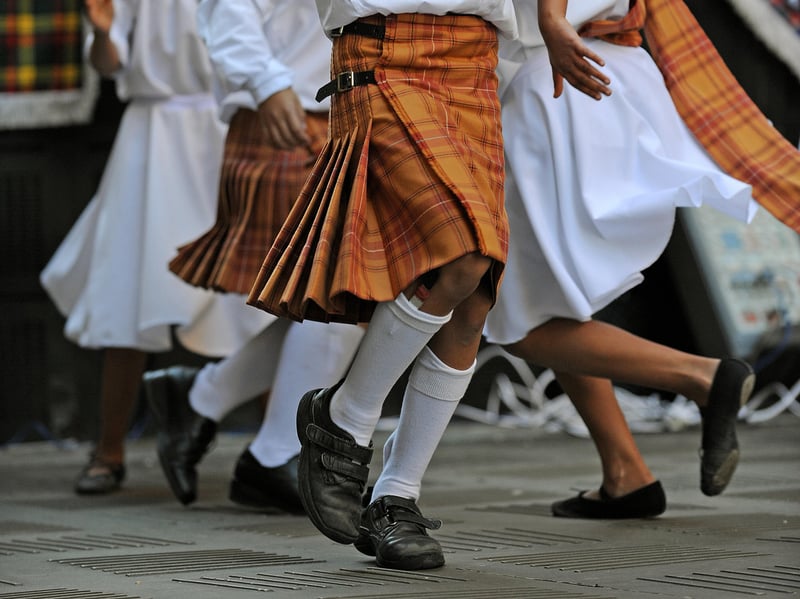
15. There's also a Tartan Day in Australia and New Zealand
In Australia and New Zealand, international Tartan Day is held on July 1 to mark the anniversary of the repeal of the 1746 Act of Proscription that outlawed the wearing of tartan. | AFP via Getty Images
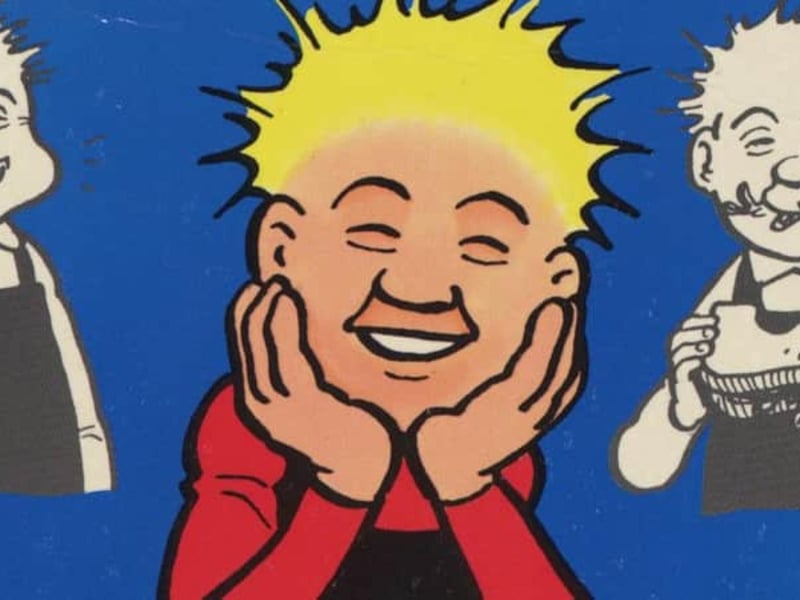
16. Scotland's most famous comic character has his own tartan
One of Scotland’s oldest comic strip characters, Oor Wullie, received his very own specially-made tartan in 2010 to commemorate 75 years in print. His design, based on the Black Watch tartan, features silver-grey inspired by his bucket and yellow for the character’s golden hair. | Submitted