
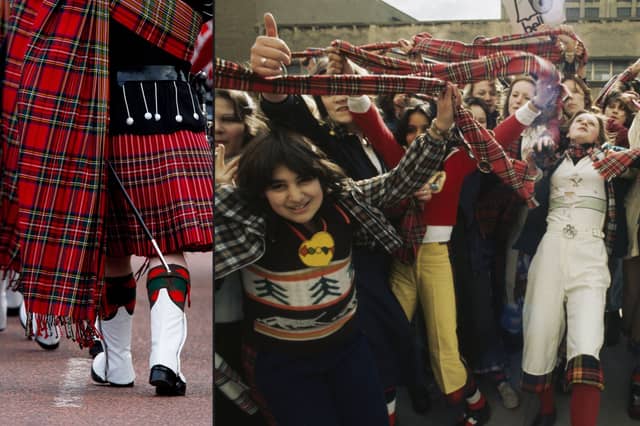


Instantly recognisable, tartan is a type of woven design which uses horizontal and vertical stripes to build a pattern of checks.
Also known as plaid - a word which comes from Scottish Gaelic - tartan is traditionally made of wool, with the hardwearing material known to have been worn in Scotland as early as the third century.
The country’s oldest surviving fragment of “true tartan”, discovered around 40 years ago in a peat bog, has been dated back to somewhere between 1500-1600 AD by historians.
The colourful fabric is matched with an equally colourful past. Tartan kilts went from everyday wear for Highlanders to a symbol of rebellion against the English under Bonnie Prince Charlie.
Following the Jacobites’ defeat during the Battle of Culloden in 1746, the Act of Proscription was passed which suppressed Highland dress. Tartan was restricted - though not entirely banned - until the act was repealed in 1782. However, by that time the everyday connection between tartan and Highlanders and long been severed.
In more recent years tartan has been a symbol of both the traditional and the subversive, with some countries around the world even celebrating Tartan Day.
Here are seventeen facts about tartan you (probably) never knew.
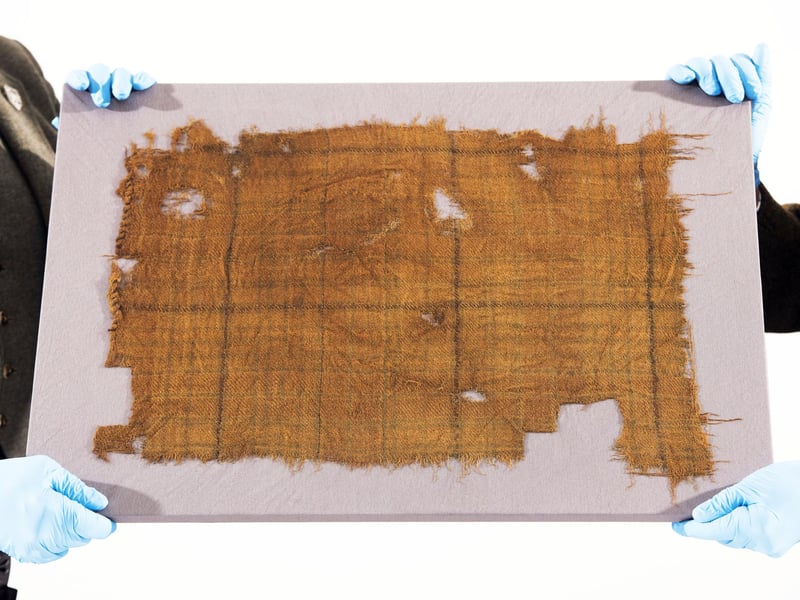
9. Scotland's oldest surviving tartan was found in a Highland peatbog
New tartans can be registered with the Scottish Register of Tartans, with an estimate of over 4,500 tartans in existence - however, the oldest known "true tartan" in Scotland can be dated back to 1500-1600 AD. The Glen Affric Tartan is believed to be the only surviving piece of tartan from this period of Scottish history, and it is thought to have survived for so long because it was buried in a peat bog. | Pic Alan Richardson Pix-AR.co.uk Free to use from V&A Dundee Photo: Alan Richardson
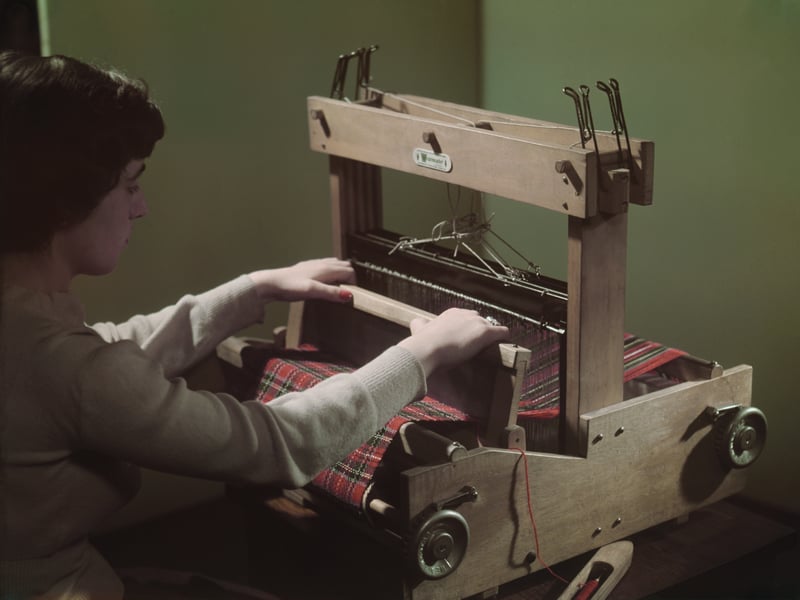
10. The word 'tartan' has no clear origin
The word "tartan" itself has been dated back to 1500, but there have been no definitive statements on its exact origins. Some suspect it is connected to the Old French "tertaine" which refers to a type of cloth. | Getty Images
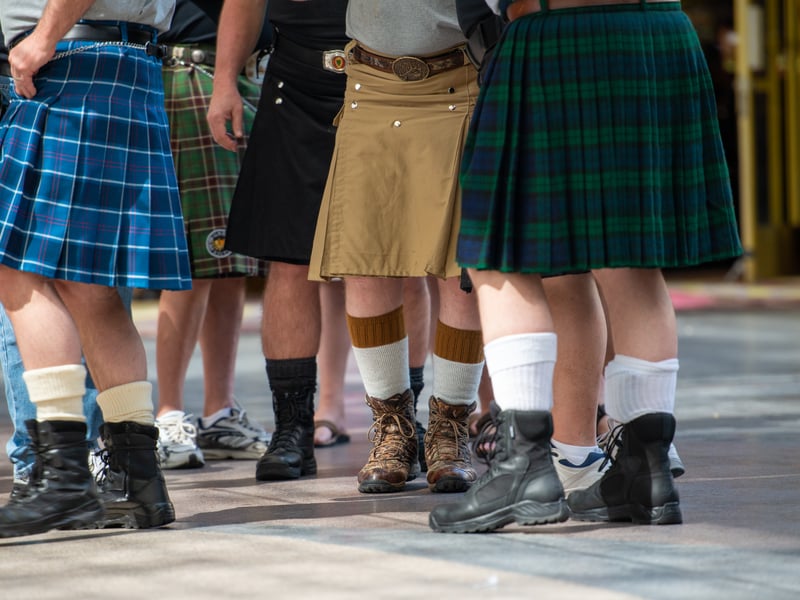
11. Almost every Canadian province has its own tartan
With the exception of Quebec, which hasn't officially adopted the Plaid of Quebec, almost every province and territory in Canada has its own official tartan. | Dolores Harvey - stock.adobe.com
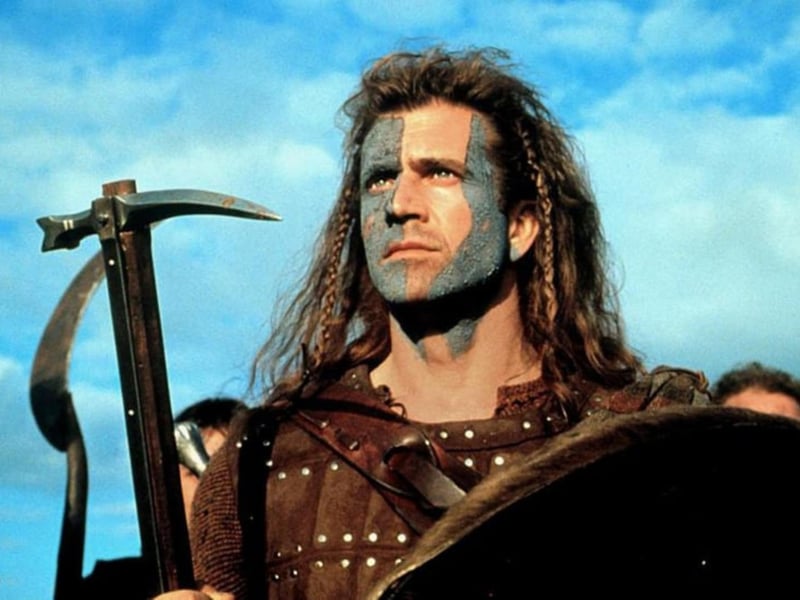
12. The film Braveheart has its own tartan
Braveheart, the mid-1990s Scottish historical epic starring Mel Gibson, had a tartan specifically designed for the film by Gordon Cavell of the Islay Woollen Mill and Charles Knode from Shepperton Studios' wardrobe department. The story goes that Knode sent Cavell a piece of clothing and asked him to create a tartan design from it that could also be used as a tweed. | Submitted