
What Scotland's political parties plan for transport: Ferries, roads, trains, buses, bikes and planes

The Holyrood election manifestos contain many pledges on how we travel - here are the main commitments
Transport rarely gets a look-in during election campaigns but the CalMac ferries crisis and a bold plan for a £2 bus fare cap have sparked debate during this year’s Holyrood contest.
The major parties’ manifestos contain pledges on widely-held gripes such as potholes along with long lists of commitments to upgrade roads, expand the Scottish rail network and improve bus services.
While the documents include a smattering of attention-grabbing new ideas, among the most eye-raising policy statements are the Scottish Conservatives’ dismissal of schemes to boost cycling and walking as “ideological projects”, and its vow to “end the obsession with cycle lanes”.
CalMac Ferries
Despite Scottish Government-owned CalMac’s chronic problems with its ageing fleet, the SNP offers no new pledges other than not to pursue proposed higher ferry fares for non-residents, and a vague commitment to “structural reform”.
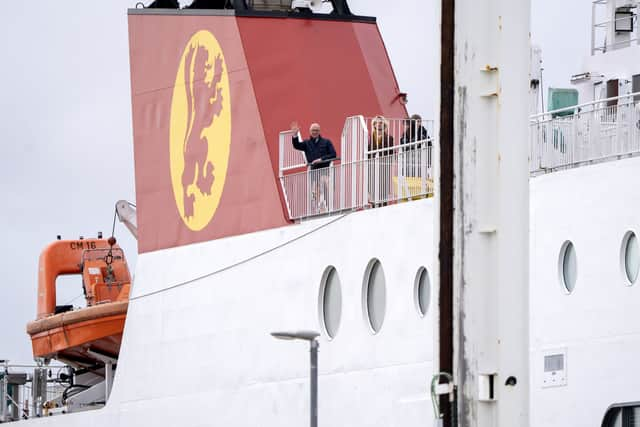

The other parties are bolder, all proposing some form of long-term ferry renewal programme, with Scottish Labour, the Scottish Conservatives and the Scottish Liberal Democrats pledging to merge CalMac with the Scottish Government’s ferry-buying firm Caledonian Maritime Assets Limited (Cmal).
The Scottish Liberal Democrats would increase compensation for disruption, the Scottish Greens would reserve space on ferries for islanders, while Reform would increase fares for all by scrapping a discount scheme that brought them into line with road travel costs. It also proposes “dynamic pricing” for ”large tourist vehicles”.
Roads
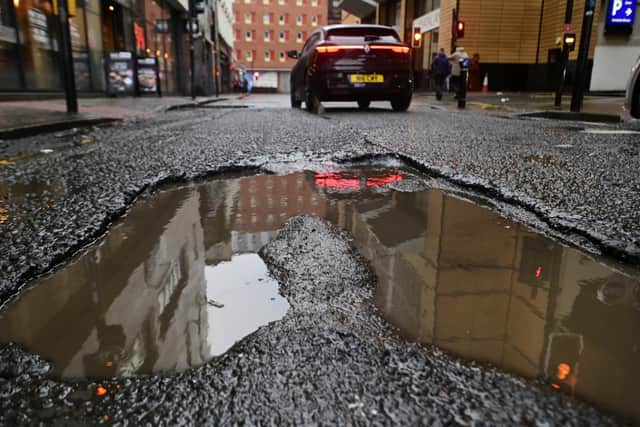
Perhaps reflecting growing concern about the poor state of the roads, the SNP pledges a £350 million “Better Surfaces” fund to tackle potholes, with Scottish Labour promising the same amount to repair “almost 5 million” over the next five years. The Scottish Conservatives would establish a “National Pothole Action Fund” to “fix our country’s potholes for good”, while the Scottish Liberal Democrats would launch a “Dangerous Roads Programme”.
The Scottish Conservatives pledge to accelerate completion of A9 dualling between Perth and Inverness after the SNP’s failed plan to finish it by last year and push it back to 2035. The Tories would “target” 2031 to get the job done, while the Scottish Liberal Democrats would speed it up without specifying a date.
Among other major routes attracting upgrade pledges are the A75 and/or A77 in south west Scotland (SNP, Scottish Labour, Conservatives and Liberal Democrats), the A83 in the west and A96 in the east (SNP, Tories, Lib Dems) with the Tories also listing the A1 and A90 in the east, and the Lib Dems the A82 in the west.
Rail
Support for the long-standing campaign to fully re-open the Borders Railway by extending it south from Tweedbank to Carlisle is backed by the SNP, Scottish Conservatives, Scottish Liberal Democrats and Scottish Greens.
The SNP plans to “advance consideration” of restoring a line to Ellon, Fraserburgh and Peterhead, which is also supported by the Scottish Greens, who would also work on re-opening the Dumfries to Stranraer route, and the Alloa to Dunfermline freight line to passengers.
way

The Nationalists want to revive plans for direct trains between Scotland and Europe via the Channel Tunnel. The Scottish Conservatives would re-privatise the Caledonian Sleeper while the Scottish Greens would cap its fares.
Pledges to re-open stations are often popularly locally, with the parties listing Winchburgh in West Lothian (SNP), Cove in Aberdeen, Thornhill in Dumfries and Galloway and Mauchline in East Ayrshire (Scottish Conservatives), Newburgh in Fife (Scottish Liberal Democrats and Scottish Greens) and Tomatin near Inverness and Halbeath in Fife (Greens).
Buses
The SNP has pledged to cut the cost of travelling by Scotland’s biggest form of public transport by extending the trial £2 single fare price cap from the Highlands to the whole country within five years, and to Glasgow and surrounding council areas within 100 days if re-elected.
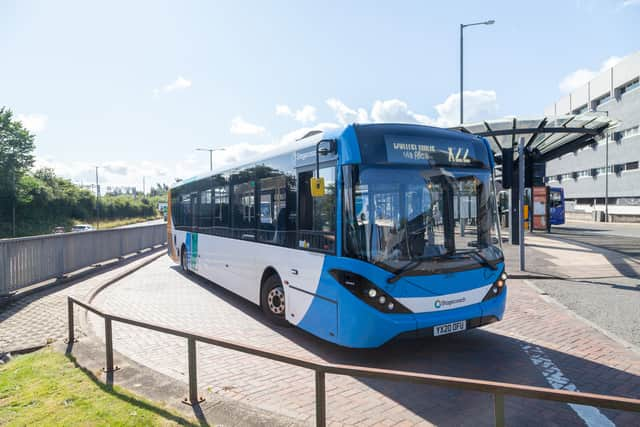
That latter surprise addition on Monday to the party’s manifesto pledge has raised bus industry concerns that operators could cope with demand.
The Greens would go much further, pledging free bus travel for all, starting by extending the under 22s scheme, which it introduced as part of a power-sharing deal with the SNP, to those under 30.
Scottish Labour, the Scottish Liberal Democrats and the Scottish Greens would increase public control of the largely private sector-run bus network, while the Scottish Conservatives would launch a Small Town and Rural Bus services fund and Reform would improve bus lanes into major cities.
Cycling, Walking and Wheeling
Unsurprisingly, the Scottish Greens have the greatest ambitions for “active travel”, pledging to increase its share of the transport budget from 4 to 10 per cent. The Scottish Liberal Democrats see active travel as dovetailing with buses and trains to provide “the first and last mile” of journeys. The SNP pledges a £2.5m bike repair fund.

The Scottish Conservatives said illegal electric scooters and bikes should be confiscated while Scottish Labour said they should be crushed. The Scottish Liberal Democrats want a “national approach” over their safety and the Scottish Greens would give councils powers to launch e-scooter schemes, which are not permitted in Scotland.
The Tories pledge that funding for “ideological projects” like active travel schemes would be switched to “fix roads and pavements instead”. They would also end the “obsession with cycle lanes”, with councils encouraged to only build them where they did not impede on road space.
Flights
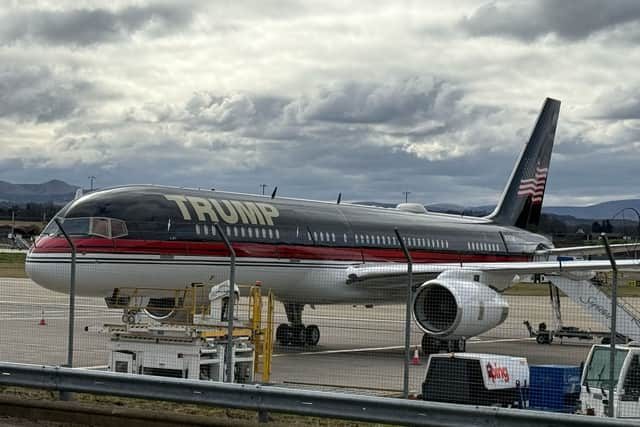
The Scottish Greens pledge a surcharge on UK flights to cut long-distance rail fares, introduce a frequent flier levy and ban private jets from publicly-owned airports - Prestwick and in the Highlands and Islands. The Scottish Liberal Democrats said the planned private jet tax from 2028 must reflect the per-passenger impact on the environment.
The Scottish Conservatives would lower the tax on long-haul flights to attract investment and jobs, while Scottish Labour would create a £5m air route development fund for new international routes, with North America and Asia a priority.
Comments
Want to join the conversation? Please or to comment on this article.