
Scottish sea birds 'under threat' with populations now half what they were in the 1980s
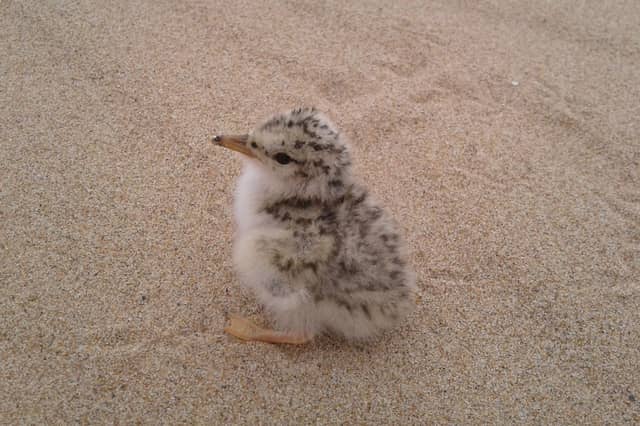

Climate change, food shortages, invasive species and other human pressures are contributing to the long-term decline of Scottish sea bird populations.
Scotland’s seabirds are struggling to survive with average numbers half now half what they were in the 1980s.
Many species are in continued long-term decline, according to new statistics from government body NatureScot.
The latest Scottish Biodiversity Indicator for Seabirds assessed 19 of the 24 seabird species that breed around the Scottish coasts between 1986 and 2024.
It found that almost all seabird species studied have declined over the long term, with eight species significantly affected.
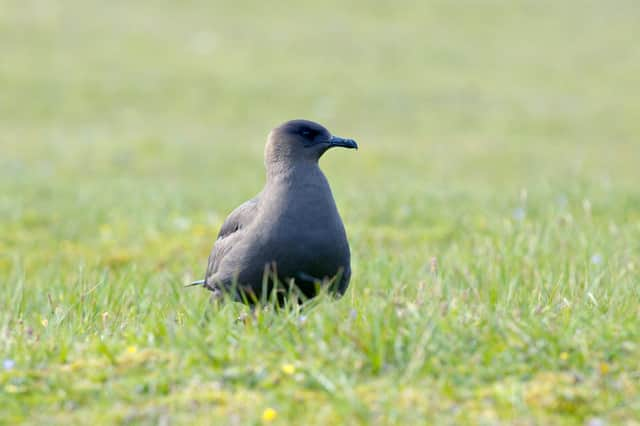
Worst hit, Arctic skua has seen a 93 per cent decrease in numbers since 1986, followed by little tern (75 per cent) and common tern (73 per cent).
NatureScot Marine Ornithologist Bex Outram said: “Scotland is home to more than 60 percent of the UK’s seabird population.
“Our seabird colonies are world-renowned, contributing significantly to wildlife tourism, worth an estimated £127 million to Scotland’s economy each year.
“But many of our seabirds are under threat.
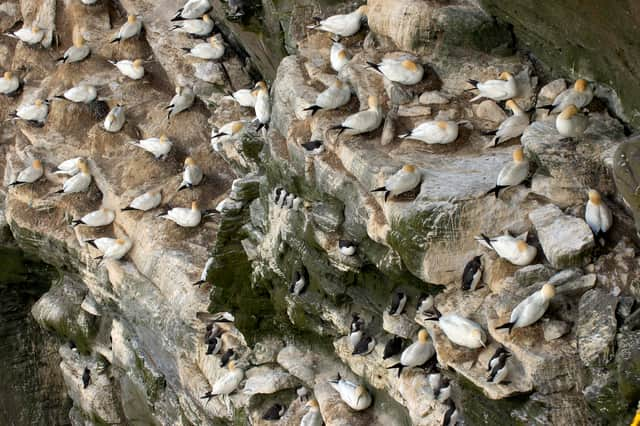
“Climate change, food shortages, invasive species and other human pressures are contributing to their decline. Disease outbreaks like avian flu and extreme weather events have also had devastating impacts.”
Read more: Visitor levy to cost Edinburgh festivals more than £1.1 million a year as crunch meeting looms
Overall the number of chicks is also decreasing over the long-term, with eight of the 16 species surveyed showing lower productivity than the three-year average - this being around 75 per cent of the 1986 level.
More positively, the breeding success of black-headed gull, guillemot and puffin has stabilised over the last three study years (2022-2024).
Over this short-term period, great black-backed gull and gannet had higher than average success in 2024, this contrasts to the long-term trend for gannet due to the effects of avian flu.
Breeding success fluctuates from one year to the next, reflecting the immediate impact of food availability, weather events and predation.
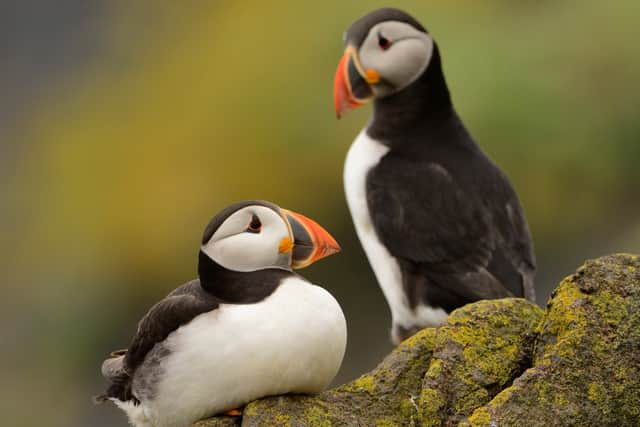
Scotland holds about 75 per cent of the Atlantic puffin population in Britain and Ireland.
While major colonies like St Kilda in the Outer Hebrides support around 130,000 breeding pairs, and places like the Isle of May have seen recent localized increases, the wider Scottish puffin population still faces an overall national decline of at least 21 per cent driven by climate change, food shortages, and invasive predators.
Ms Outram added: “As part of the Scottish Seabird Conservation Action Plan, work is underway to help secure the future for Scotland’s seabirds.
“Efforts are focused on three key areas: safeguarding food supplies, restoring habitats and maximising seabird survival.
“These efforts will take time to have an impact, which is why long-term monitoring coupled with advances in technology to improve our understanding of seabirds is vital.”
The Scottish Marine Environmental Enhancement Fund (SMEEF) has supported costs towards the purchase of 40 bespoke GPS tags, eight mobile base stations and two fixed base stations for the tracking of northern fulmar on St Kilda and the Fair Isle.
Using the technology of these tags will enable the tracking of the birds’ foraging behaviour, and will support the National Trust for Scotland (NTS) to understand far more about challenges that are driving their decline.
Comments
Want to join the conversation? Please or to comment on this article.