
Sturgeon under fire for care homes 'deadly decision' in 'utterly damning' Covid inquiry report

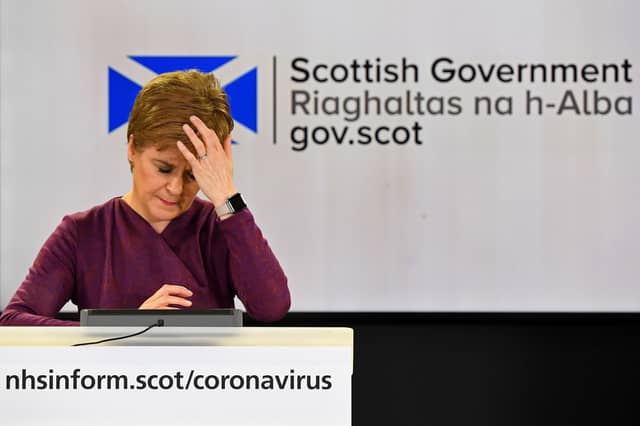

Baroness Hallett has warned that the adult social care system “appeared to be something of an afterthought” to protect the NHS.
SNP ministers have been accused of a “deadly decision to send untested patients into care homes” after the UK Covid inquiry issued a damning verdict on governments prioritising the NHS “at the expense” of vulnerable residents.
Baroness Hallett has published her sixth report into the pandemic, focusing on care homes - where a higher proportion of Covid-linked deaths took place in Scotland than England.
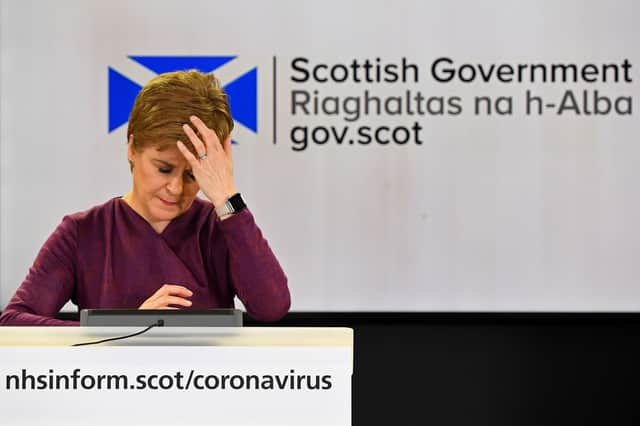
In Scotland, in the early stages of the pandemic between 1 March and 21 April, 2020, 3,599 patients were discharged from hospital to a care home between, the majority of whom, 82 per cent, were not tested for the virus.
Almost one third of care homes in Scotland experienced an outbreak of Covid-19 between March and June 2020.
In April 2020, 2,724 deaths were recorded at Scottish care homes - 1,646 more than the average for April, an increase of 153 per cent.
National Records of Scotland recorded 3,292 deaths in care homes linked to the virus from March 2020 to April 8, 2020. In Scotland, 47 per cent of deaths attributed to Covid-19 occurred in care homes, compared with 30 per cent in England.
Baroness Hallett warned that policies and guidance by the Scottish and UK governments “created an environment in care settings where the virus could spread like wildfire".
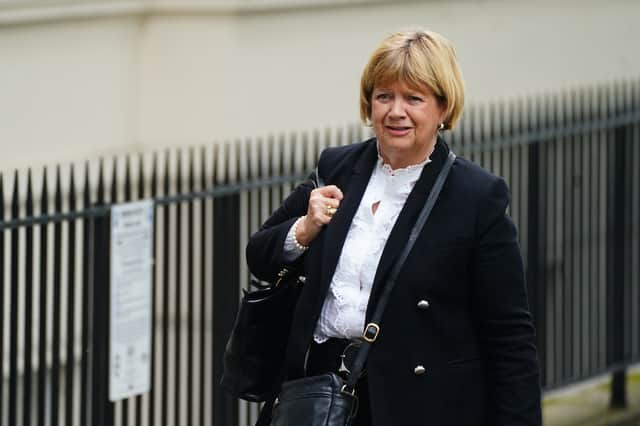
She added that ministers “were left making decisions without the information needed about the sector”.
Baroness Hallett said: "The claim that a so-called protective ring had been thrown around care homes right from the start was unfounded. Quite the opposite was true.
“During the crucial weeks of March and early April 2020, the overriding focus of the UK government and devolved administrations was protecting hospitals. The mantra of protecting the NHS sometimes came at the expense of the users and providers of care homes."
She added that “the adult social care sector as a whole appeared to be something of an afterthought”.
During the pandemic, the Scottish government had primary responsibility for the pandemic response with health and social care devolved to Holyrood.
In her report, Baroness Hallett warned that the Scottish government’s controversial integrated health and social care partnerships were not playing a full role in pandemic planning.
She said: “Plans were not in place that had considered how the response might be managed at both the UK government and local government levels.
“Due to a lack of oversight from the Scottish government, it is unclear if health and social care partnerships had been fully integrated into pandemic plans in Scotland.”
Donald Macaskill, chief executive of Scottish Care, which represents private care operators, labelled the report a "sobering and at times deeply painful read”.
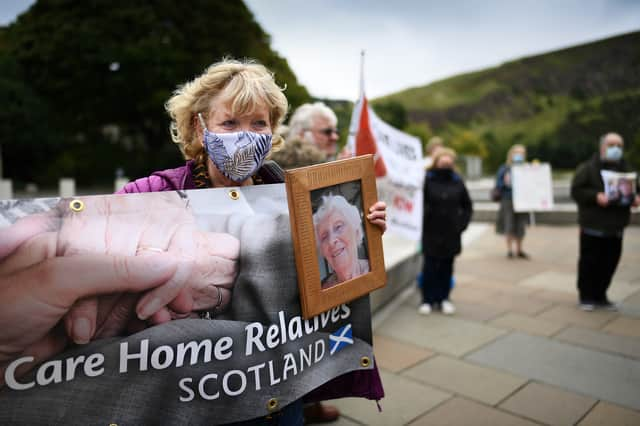
He said: “The inquiry’s conclusions confirm many of the concerns raised by Scottish Care, our members, people who access care and support, families and the wider sector throughout the pandemic. Social care entered Covid-19 already under severe pressure, weakened by workforce shortages, recruitment and retention challenges, and longstanding structural fragility.
“Known risks had been identified before the pandemic, yet they were not adequately addressed, and care services were not sufficiently embedded within emergency planning and response arrangements.
“The report is particularly significant in acknowledging that social care was too often treated as an afterthought rather than as an equal partner within our system of public protection.”
Mr Macaskill added: “Accountability matters, but this report cannot be only about past failure. It must become a mandate for lasting change.
READ MORE: Scotland’s social care system has reached 'breaking point' and is 'piling pressure' on NHS
“The clearest lesson is that social care can never again be regarded as peripheral or secondary, especially during a national emergency. Social care is critical national infrastructure. It sustains the lives, rights, wellbeing and dignity of hundreds of thousands of people and is an indispensable part of Scotland’s social fabric.”
In her evidence to the UK Covid inquiry, the Scottish health secretary at the beginning of the pandemic, the late Jeane Freeman, defended her government's decision not to test patients discharged from hospitals and moved to care homes.
She said: “I think there is some flawed thinking in the assumption that prioritising the testing of a limited group of people being discharged from hospitals in March 2020 would have somehow prevented the introduction or transmission of the virus into care homes.
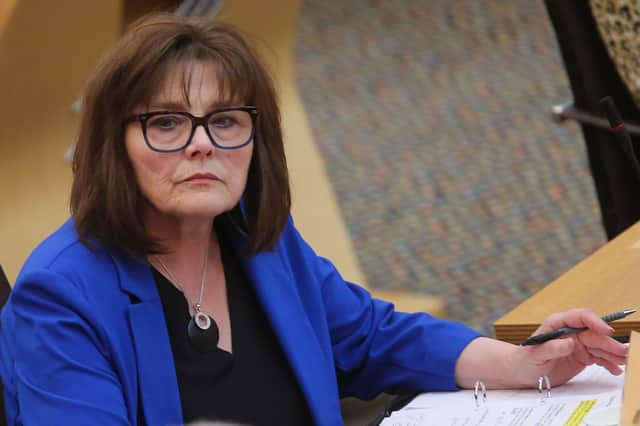
“There was no evidence to suggest that people being discharged from hospital presented an increased risk at the point of discharge, as compared with other potential transmission routes for Covid-19, to a receiving care home.”
Ms Freeman previously admitted that “we didn't take the right precautions to make sure that older people leaving hospital going into care homes were as safe as they could be”, adding that “was a mistake”.
Scottish Labour’s health spokesperson, Jackie Baillie, branded the report “utterly damning of pre-pandemic preparedness” and the “lack of protection for those working and resident in care homes”.
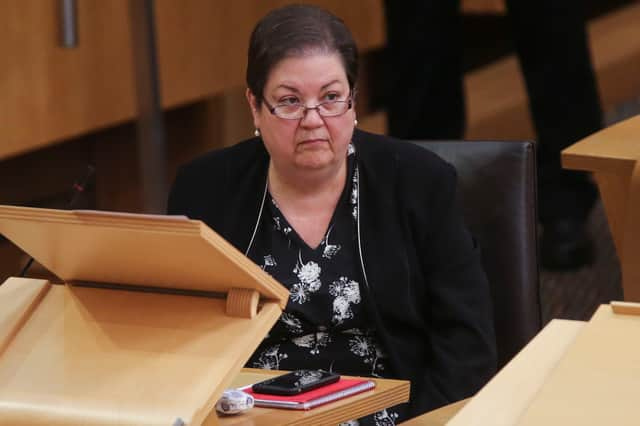
She added: “For social care to be treated as an afterthought by decision makers is heartbreaking for those who lost loved ones.
“The act of discharging untested patients to care homes is one of the biggest scandals of the pandemic. Then first minister Nicola Sturgeon admitted it was a mistake in 2021, after it was revealed that 1,300 patients were discharged before a robust testing system was in place.
“Nicola Sturgeon was Health Minister during the C diff outbreak, where it was clear that discharging untested people into care homes had a devastating effect, yet no lessons seem to have been learned from that. People deserve to know why.”
Dame Jackie highlighted that “John Swinney was by her side during that period”.
She added: “The Scottish government must deliver a serious and comprehensive response to this report, and an apology for families grieving the loss of loved ones because of a deadly decision to send untested patients into care homes.”
A Scottish government spokesperson said: “The Scottish government welcomes the publication of this report and will take the necessary time to fully and carefully consider its findings and recommendations.
“We extend our deepest condolences to the many thousands who have lost loved ones and who continue to experience the profound impacts of Covid-19.
“We recognise the loss, hurt and suffering experienced by people, particularly among those who relied on, delivered or supported adult social care services during an exceptionally challenging period.
“We acknowledge the significant impact of the pandemic on people who draw on care and support, their families and loved ones, and the many unpaid carers who provided essential care, often in difficult and isolating circumstances.
“Throughout the pandemic, the Scottish government’s overriding objective was to protect people and minimise loss of life.
“Work continues to implement the recommendations accepted from earlier inquiry reports and the Scottish government remains committed to working collaboratively with partners to strengthen Scotland's preparedness, resilience and public services.”
Comments
Want to join the conversation? Please or to comment on this article.