
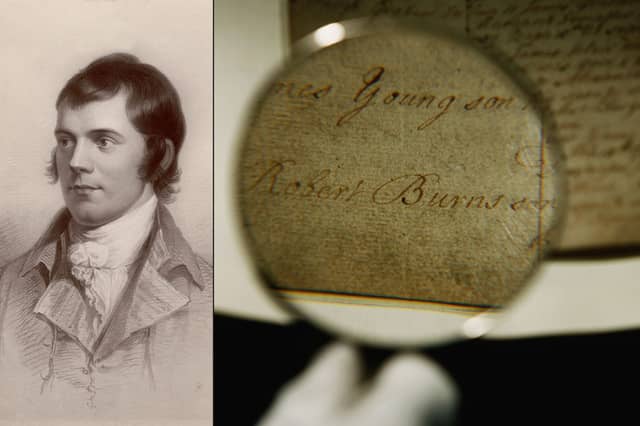


While he is now remembered as Scotland’s national poet, Robert Burns came from humble beginnings.
Following in the footsteps of his father, Burns spent much of his life as a tenant farmer. While poetry was not his main occupation, it did not stop him from producing over 700 poems in his lifetime, capturing everything from farm life to the struggle between classes.
More than two hundred years following the death of Rabbie Burns, his work continues to inspire others and each year on January 25th - his birthday - people around the world come together to celebrate the poet.
Typically featuring ceilidhs, traditional Scottish music, food and poetry recitations, Burns Night continues to honour the Bard long after his time.
So, for those celebrating this year, here are 10 facts about Robert Burns which you may not have known - including his real name.
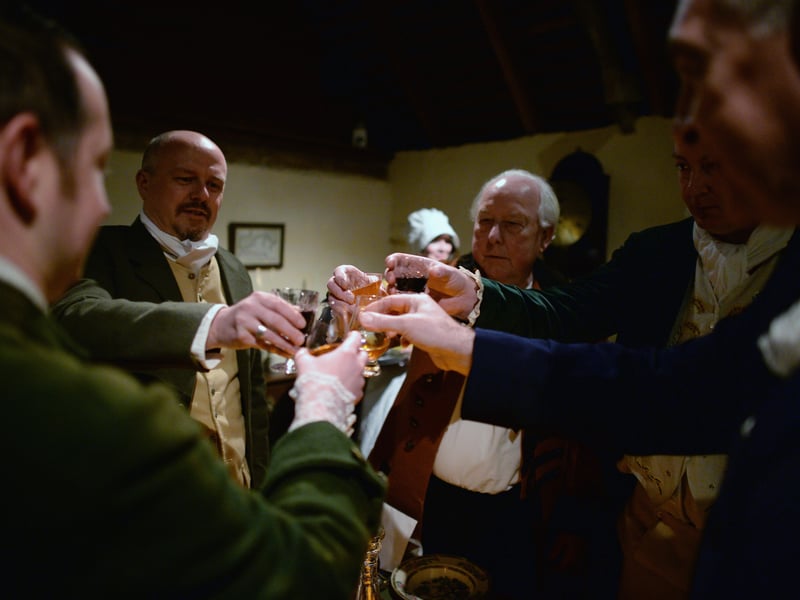
5. The first Burns Supper didn't take place on January 25th
The first ever Burns Supper took place not on the traditional date of January 25th - the poet's birthday - but instead on the anniversary of his death, July 21st, 1801. Another event was then planned, this time to take place on Burns' birthday, though the group had the wrong date and ended up hosting the supper on January 29th. However, in 1803 they held their get-together on January 25th marking the beginning of the tradition. | Getty Images
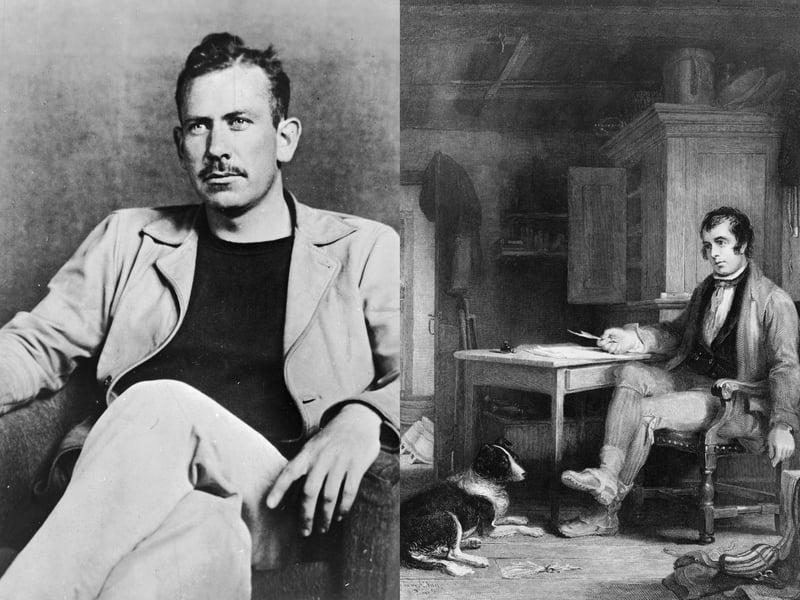
6. Burns' work has inspired many famous faces
Robert Burns’ poetry has inspired many creatives across the world, with his fans including figures such as Bob Dylan, Abraham Lincoln, Michael Jackson, Martin Luther King. American author John Steinbeck's 1937 novel ‘Of Mice and Men’ was also reportedly inspired by a line from Burns’ poem ‘To a Mouse’. | Getty Images
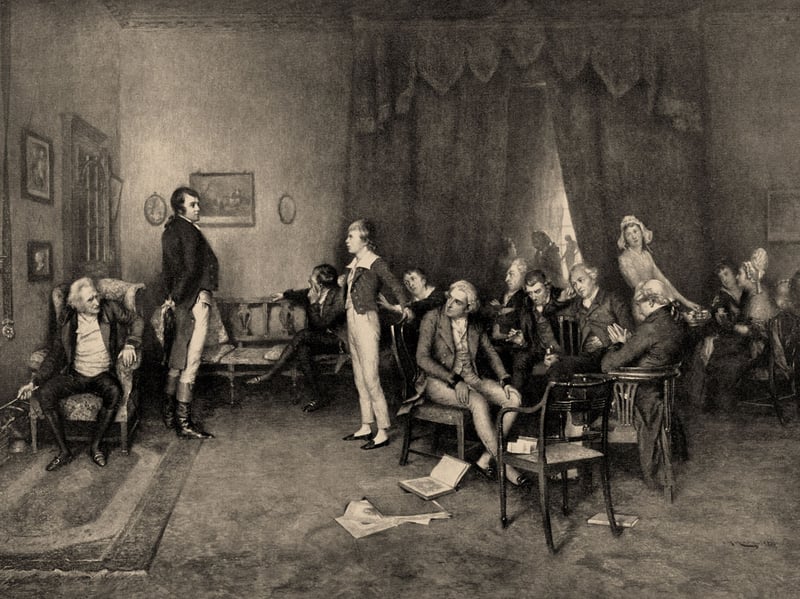
7. Robert Burns had a big head - literally
After his body was exhumed in 1815, it was discovered that Robert Burns apparently had an unusually large head. Before being laid to rest in Dumfries, his skull was measured and found to be above average in size. | Getty Images
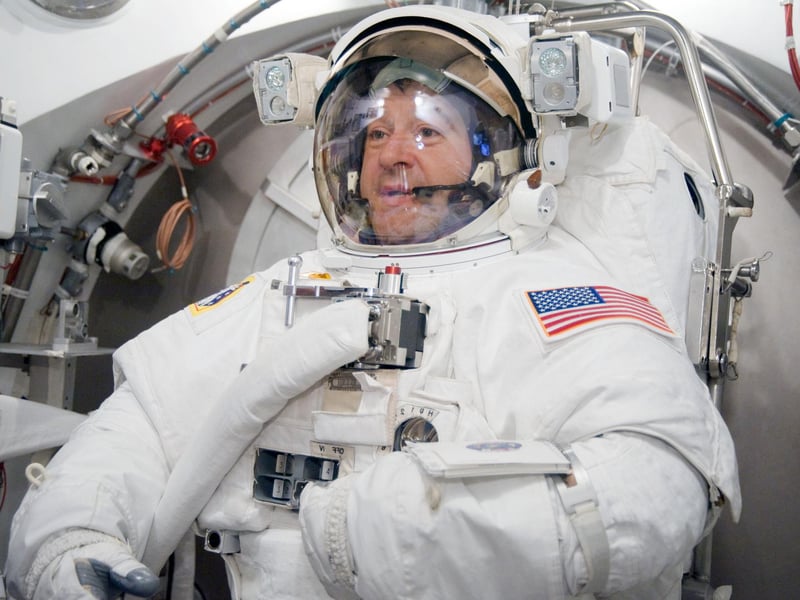
8. The poetry of Burns is out of this world
Burns' poetry well travelled in more ways than one. In 2010 British-born astronaut Nick Patrick carried a book of Burns poetry into orbit during a two-week mission to the International Space Station. Pupils taking part in the Scottish Space School presented the astronaut with the volume ahead of his mission aboard the STS-130 Endeavour. After 217 orbits of the Earth and 5.7 million miles, the book was returned safely to Scotland. In addition, on Mercury there is a crater named 'Burns' after the poet. | Robert Markowitz/NASA Photo: Robert Markowitz/NASA