
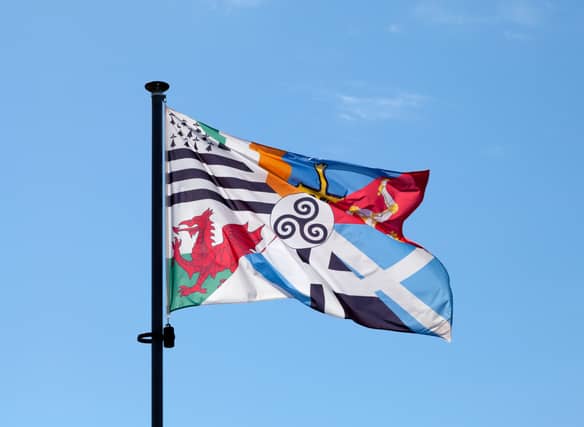


The lingual landscape of the British Isles is far more diverse than many people realise. According to Matej Bel University: “The British Isles have 13 living native languages of which two have been revived in the last 100 years, Cornish and Manx.
“There are the Celtic languages of Wales, Ireland and Scotland along with the Romance languages of the Channel Islands.”
In addition, as Open Democracy notes, “there are the three sign languages native to the UK – British Sign Language, Irish Sign Language and Northern Irish Sign Language.”
That alone demonstrates the rich diversity of languages in this region of the world and that is without even addressing extinct ones such as Brythonic, Pictish or Norn in the Orkney Islands etc. As the most widely spoken language worldwide, it is no surprise that we tend to only associate the British Isles with English and not its sister language Scots Leid or neighbouring Celtic tongues such as Irish and Scottish Gaelic, Manx or Welsh.
Regardless, they exist all the same and some, like the Scots language, also have dialects like Doric while others like Irish have mysterious tongues such as Shelta which reportedly is fused with English to create a ‘secret language’ for Irish travellers. In the era of anglicisation, it goes without saying that most of these heritage languages are endangered and struggling to exist within their own heartlands.
However, in the case of Scottish Gaelic for example, recent years have seen encouraging signs of a resurgence in interest such as Gaelic students on Duolingo surpassing 1.5 million and popular TV franchises like Outlander featuring Gaelic (and Scots) in the show.
For simplicity, in this article we will dissect the ‘main’ spoken languages of the British Isles and not those of the channel islands/ crown dependencies or traveller communities. Others like Ulster-Scots, which the Ulster Scots Language website dubs as a “regional variety of Scots”, may be assumed as falling under its closest linguistic parallel.
For each, we have outlined an introduction to the language, its history, current status and a few phonetic examples so you can try speaking them for yourself.
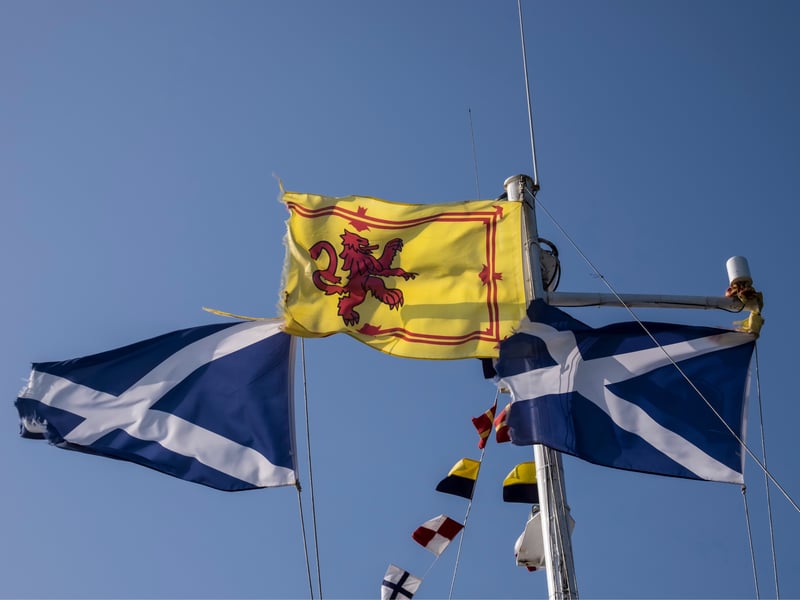
5. Scots Language (Scots Leid)
The Scots Language Centre reports: “Scots is the collective name for Scottish dialects known also as Doric, Lallans and Scotch or by more local names such as Buchan, Dundonian, Glesca or Shetland.” They continue: “Scots originated with the tongue of the Angles who arrived in Scotland about AD 600, or 1,400 years ago. During the Middle Ages this language developed and grew apart from its sister tongue in England, until a distinct Scots language had evolved.” In short, Scots is Germanic in origin but not a dialect of English; rather it is a sister language that grew up alongside it. The 2011 census in Scotland revealed that 1.5 million people could speak Scots while 1.9 million in total had ‘ability’ in the language e.g., reading or writing it. Famous Scots examples include bonnie (“bon-ee”) meaning pretty, wee meaning small, or “auld lang syne” which refers to ‘times long past’. | rosn123 from Getty Images