
Exclusive:Scottish ministers accused of failing public transport users
Calls for greater investment amid concerning survey results
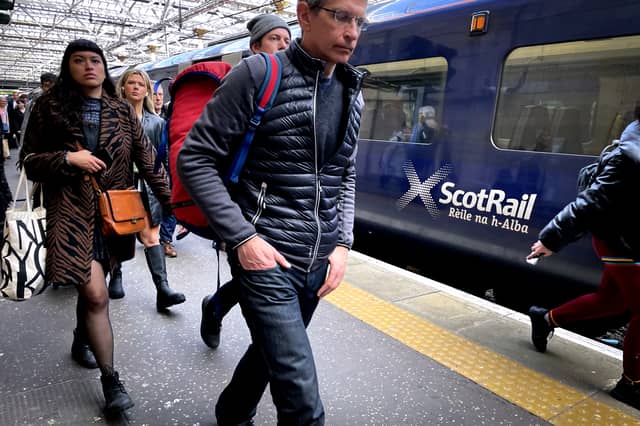


Scottish ministers have been accused of failing public transport users and damaging communities and the environment by not doing enough to reduce car use and encourage greener modes of travel.
In what has been described as an example of the Scottish Government's “abject failure” around transport policies, new research shows that nearly three quarters of Scots say cost and a lack of availability are major barriers which prevent them from using more environmentally sustainable ways of getting around.
The research by Consumer Scotland found that while most people want to make more eco-friendly transport choices, such as buses, trains, and bicycles, such good intentions were not being translated into “behaviour change.”
In a stark message to Scottish ministers, the independent, statutory body stressed that “significant policy interventions” are required in order to make such transport options more appealing to ordinary consumers.
It comes after transport secretary, Fiona Hyslop, conceded that the SNP administration’s target for reducing car use by 20 per cent by 2030 was now “unachievable” and “unnecessary,” following a damning report by Audit Scotland which pointed to the "minimal progress” made over the past five years.

A survey of thousands of Scots conducted by Consumer Scotland found that while a clear majority of people (65 per cent) want to curb their carbon emissions by using more environmentally sustainable transport, further action is required to make it “easier” and “more attractive” for them to do so.
It found that cost (71 per cent) and a lack of availability (73 per cent) were the most significant barriers to people choosing transport options with a lower environmental impact. The two regions where participants most commonly listed availability of service as a barrier were the Highlands and Islands (81 per cent) and Glasgow (79 per cent).
More than half of those questioned (54 per cent) highlighted the time taken to complete journeys using alternatives to a car as another barrier, while worries about safety were cited by 11 per cent of respondents, with women (13 per cent) more likely than men (nine per cent) to be concerned about the issue.
Over a third of individuals (38 per cent) with a disability or long-term health condition cited issues related to their health and accessibility as a reason to not use public transport.
Laura Hyde-White, public affairs manager at Transform Scotland, an alliance which campaigns for sustainable transport, said the research showed that the government is “failing public transport users.”
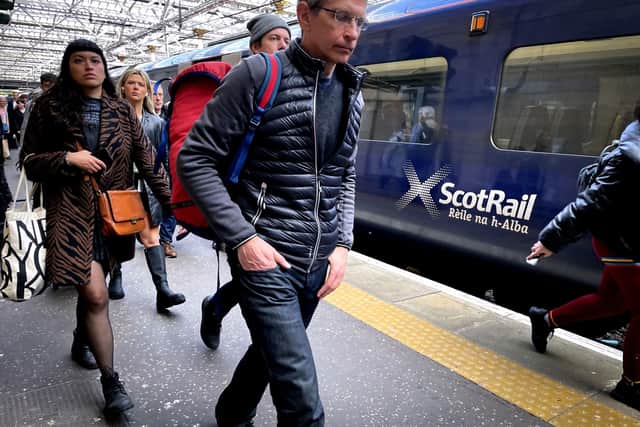
“How can we expect Scots to make the switch to greener transport when the government has repeatedly broken promises on public transport?” she added. "In the past year alone, it has scrapped ScotRail's off peak fare trial and slashed active travel and bus priority budgets. We will not see traffic levels cut without reinstating investment in public transport.”
Sam Ghibaldan, chief executive of Consumer Scotland, a non-ministerial office, has written to Ms Hyslop to set out a series of recommendations for the government and its executive agency, Transport Scotland.
He said that in order to make improvements, the government should make public transport safer and more accessible for people, with investment in services and infrastructure based on agreed understandings of current provision, and targeted to meet “consumer need.”
He also called for Transport Scotland to design and deliver a new consumer engagement programme to support the implementation of the just transition plan for transport, and to take a “leading role” in ensuring its vision for public electric vehicle charging is achieved via “clear plan” to monitor and drive delivery.
Broader research carried out by Consumer Scotland found that more than three quarters (78 per cent) of people considering purchasing an electric vehicle reported that they worry they will not be able to charge their vehicles when out and about, with 75 per cent of EV drivers reporting having to use a different charging point to the one they had originally intended to use.
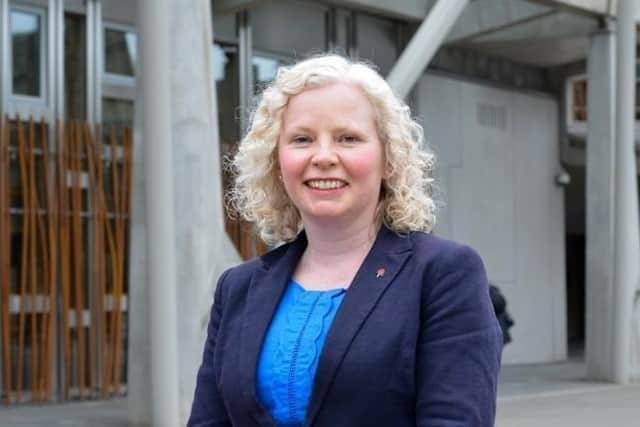
David Jackson, Consumer Scotland’s policy and advocacy officer, said: “Reducing emissions from transport will be crucial to meeting overall net zero goals, but for too many consumers public transport is hard to access, is seen as costly or does not feel safe.
“Many consumers want to make more sustainable transport choices, but this is not translating into behaviour change. The issues highlighted in our survey clearly show further action is required to make it easier and more attractive for consumers to make more sustainable transport choices.”
Mark Shields, head of policy at the Sustrans charity, said safe, connected sustainable transport networks “save lives,” and reduced congestion on roads for those who rely on cars.
Sue Webber, the Scottish Conservative shadow transport secretary, said: “These findings highlight the abject failure of the SNP’s transport policy. The nationalists are actively undermining their own stated aim of getting people to reduce car usage by failing to provide affordable and reliable green public transport alternatives.
“They have reintroduced peak fares on our trains, yet ScotRail’s service has got worse since nationalisation. Bus routes are patchy across Scotland and when adequate provision is in place, services are unreliable and often don’t run on time. Meanwhile, the SNP’s ferries scandal is encouraging those who can afford it to fly to our islands rather than risk sailing.”
Claire Baker, Scottish Labour’s transport spokeswoman, said: “The SNP’s failure to support green public transport is bad for the planet, bad for communities, and bad for our economy. After years of inaction ministers have had to tear up their pledge to reduce car miles, leaving their climate targets in doubt.
“Scotland needs reliable and affordable public transport options, but under the SNP fares have soared, bus routes have been axed and trains are plagued by cancellations.”
Scottish Greens MSP Mark Ruskell said better, cheaper public transport, run by publicly owned operators, was “necessary,” adding: “With the Scottish Government having scrapped its targets in reducing car numbers, it is time to listen to the public's concerns and make public transport improvement a priority.”
A Transport Scotland spokesman said it agreed with Consumer Scotland that making sustainable choices more cost-effective and convenient was “central” to a successful and just transition to a lower emission transport market.
He added: “Their recommendations are very much aligned with the Scottish Government’s proposed actions set out in the draft just transition plan currently under public consultation.
“We spend over £2 billion annually to support public transport, including providing up to 2.3 million people in Scotland with access to free bus travel. In 2025/26, we are increasing funding for bus services and concessionary travel to almost £465 million and funding for low carbon and climate positive activities to £54.4m, supporting the switch to zero emission vehicles and decarbonisation of the bus sector.”
Comments
Want to join the conversation? Please or to comment on this article.