
Scottish property experts: Affordability concerns grow as homeowners set to be hit by interest rate hike

Renewed calls for review of Land and Buildings Transaction Tax
A hike in interest rates will hit the affordability of first time buyers and people already facing “significant financial pressures” as they seek to move home, according to Scottish mortgage and property experts.
They have also called for Scotland’s Land and Buildings Transaction Tax to be reviewed in light of the increase.
The Bank of England raised interest rates for the first time in three years on Thursday, with its governor, Andrew Bailey, raising the prospect of another rate increase in the near future amid rising inflation sparked by the Iran war.
The rate increase from 3.75% to 4% has sparked concerns about the impact on households already wrestling with the ongoing cost of living crisis.
Homeowners on tracker mortgage rates will typically see an increase of around £30 to their monthly mortgage payments, according to UK Finance, while the average homeowner on a standard variable rate (SVR) will see their monthly payments go up by £14.28 if the increase is passed on by their lenders.
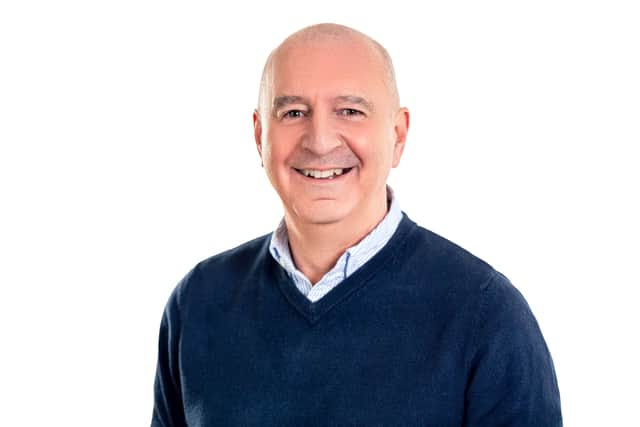
Paul Hilton, the CEO of Edinburgh Solicitors' Property Centre (ESPC), said: "For homeowners, today's rise will land differently depending on where you sit. If you're on a tracker, you'll feel it almost immediately. If you're shopping for a fixed rate, lenders have had this rise, and probably more, priced in for some time, so today itself may change less than the headlines suggest.”
Mr Hilton urged potential house buyers to “get prepared” as opposed to putting their plans on hold indefinitely, and stressed that because the Edinburgh market was “historically resilient,” delaying purchasing could end up costing more in the long run.
He also said that the rising costs associated with the 0.25% rate increase meant there was renewed impetus to scrutinise Scotland’s controversial Land and Buildings Transaction Tax (LBTT)
“In Scotland, interest rates aren't the only pressure on affordability,” he explained. “When borrowing costs go up, the case for looking again at LBTT, particularly for first-time buyers, only gets stronger. It's a case we've been making to MSPs across all parties.”
Mortgage expert Graeme Nichols, managing director of Glasgow-based West End Mortgages, stressed that while borrowers with tracker mortgages will generally see a more “immediate” impact as a result of the increase in the base rate, with those on SVRs also facing potential increases depending on their lender’s decision, the situation was different for homeowners on fixed rate deals.
“Fixed-rate mortgage pricing is influenced more by swap rates and the financial markets' expectations of where interest rates will go in the future, rather than simply following the Bank of England base rate,” he said. “Much of the anticipated movement can therefore already be reflected in the mortgage rates lenders are offering.”
He added: “The wider concern is what this means for future affordability, particularly for first-time buyers and those looking to move home, who are already facing significant financial pressures.
“Higher borrowing costs inevitably affect how much people can afford to borrow, but it is important not to lose sight of the fact that there are still competitive mortgage products available.”
Ken Gibb, professor in housing economics at the University of Glasgow, said homeowners with higher loan to value (LTV) and loan to income (LTI) ratios will be “more exposed,” but he pointed out that others would be impacted.
“Interest rate increases worsen affordability to the extent that private landlords with mortgage debt pass on rate increases in rent,” he explained.
All nine members of the Bank of England’s Monetary Policy Committee voted for a hike, although one member, Catherine Mann, preferred a bigger jump of 0.5%.
The committee said it needed to take action to control rising inflation in the UK economy, which was being pushed higher by the impact of the US and Israel’s ongoing conflict with Iran on global energy and fuel prices.
Mr Bailey said: “Today’s increase shouldn’t be seen as the first in an inevitable long sequence of hikes. But, unless the conflict in the Middle East is resolved, neither does it seem likely to be the last increase.”
Chancellor John Healey said: “The Iran conflict is reaching deep into the pockets of families and businesses here at home.
“In my Budget I acted to give some breathing space to families and businesses. Twenty million households will get a £100 energy payment, I extended the tax cut on electricity bills and froze fuel duty.
“I also set out the course ahead to get costs down for good. That includes big changes to our energy system so Britain is better protected from global shocks in the future.”
But the SNP’s economy spokesperson, Kirsty Blackman MP, described the interest rate rise as another “hammer blow” to hard-press households.
She said: “Andy Burnham promised he would cut the cost of living but every major household bill has risen on his watch. Energy bills will soon be more than £1000 higher than the Labour Party promised, the cost of food and fuel is sky-high, and mortgage rates are already at 6% - adding an extra £5000 a year to average mortgage interest payments compared to 2021.
"Families need real help but the Labour government is failing to meet the moment.”
While borrowers are set to face increased pressures as a result of the increase, there is optimism that the change could offer a boost for savers, although the ongoing impact of inflation could cut through.
Kevin Brown, savings specialist at Glasgow-based Scottish Friendly, explained: “A higher base rate from the Bank of England might feel like good news for savers if it translates into more attractive rates on saving accounts. However, any potential benefits are best thought of in the wider context of the imposing financial pressures many currently face.
“Inflation accelerated to 3.5% in September and continues to erode the purchasing power of money held in cash. And for households already coming to terms with higher energy bills and other living costs, any gain from improved savings rates risks being overshadowed by the growing burden that is the cost of living.”
Comments
Want to join the conversation? Please or to comment on this article.