
John Swinney vows to bring ‘radical change’ as swingeing cuts loom to Scotland’s public services

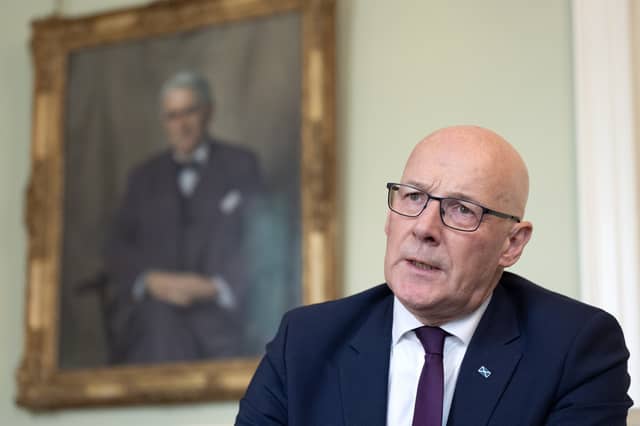

The SNP leader has warned his government will be required to “embrace very actively” vast cuts to the public sector when he sets out his prospectus tomorrow.
First Minister John Swinney is poised to “embrace very actively” a blueprint of “radical change” as he sets out swingeing cuts and savings to balance the books in the coming years.
The SNP leader will publish his annual programme for government tomorrow, alongside a five-year plan, that could set out the details of how the Scottish government intends to make vast savings amid a funding gap of around £5 billion by the end of the decade.
Speaking ahead of tomorrow’s crunch announcement, Mr Swinney described it as a “decisive and significant moment for the Scottish Parliament”.
He added: “I think it’s a landmark moment for the parliament because this will be a parliament of radical change in Scotland.
“It is a very significant and different moment, because I think this represents a moment in which we have to embrace very actively public service reform and that will be at the heart of the programme.”
The Scottish government has already stressed the need for change, as the nation faces a projected £5 billion black hole in the budget by the end of the decade.
SNP Public Sector Reform Secretary Ivan McKee has been made responsible for drawing up plans for cuts and savings to be made across all parts of Scotland’s public sector.
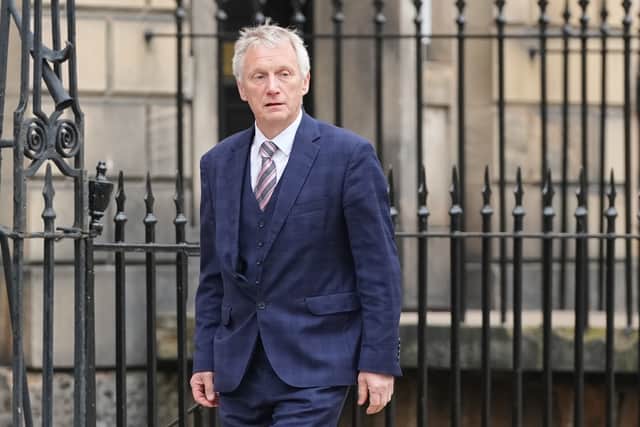
Mr Swinney said: “In the next five-year term there will have to be a significant amount of reform and restructuring of the way in which we organise ourselves in the country and how we deliver public services.
“I want to ensure we improve public services, to improve the lives of people in Scotland, and we have to be prepared to reform to do exactly that.”
The plans are likely to enrage trade unions, but over-budget public sector pay deals are a significant factor in why such vast cuts are required.
The First Minister said that themes in his programme for government would be “around early intervention and prevention” as well as about “making sure that people are right at the centre of our public services”.
He also said he was looking to “improve people’s lives by improving economic opportunity”.
The First Minister has stressed that the “direction of the government will be very strongly entrenched in the manifesto that was successful in commanding public support”, despite fears over the funding to implement some of the key measures such as a nationwide £2 bus fare cap.
He said: “These were the themes I won the election on, so those themes will underpin the substance of the government’s agenda and the direction of the government.”
But he also stressed he was “conscious” that the SNP had failed to win the majority he had craved, leaving his party having to win support from political rivals to pass legislation.
Mr Swinney has also confirmed that as part of his plan, local authorities will share £15m to expand and enhance breakfast club provision from today.
The funding will help councils deliver free breakfast clubs for primary school pupils across Scotland from August 2027.
Mr Swinney said: “For parents and carers, breakfast clubs allow for an early drop off at school while easing the pressure on family budgets at a time when rising bills and living costs continue to bite.
“The Scottish government is continuing to do all it can to eradicate child poverty and put more money in people’s pockets. Alongside measures such as free school meals, these free breakfast clubs will help ensure more children are supported to succeed at school, regardless of their background.”
READ MORE: SNP call on Andy Burnham to consider Scottish visa plans as blueprint to boost workers revealed
But Mr Swinney is under pressure to scrap his flagship plans to cap the price of essential foods amid a warning the policy is “likely to deliver significant adverse consequences”.
The First Minister made the pledge a central part of the SNP’s manifesto and he is expected to publish the legislation that would underpin the policy when he announces his programme for government tomorrow.
Under the proposals, the Scottish government intends to compel large supermarkets to limit the cost of up to 50 essential items such as milk, eggs, cheese and rice to combat the continuing cost-of-living crisis.
But retailers along with food and drink producers have called on Mr Swinney to rethink the plans, claiming the policy would be “ineffective” at reducing the cost-of-living burden on households.
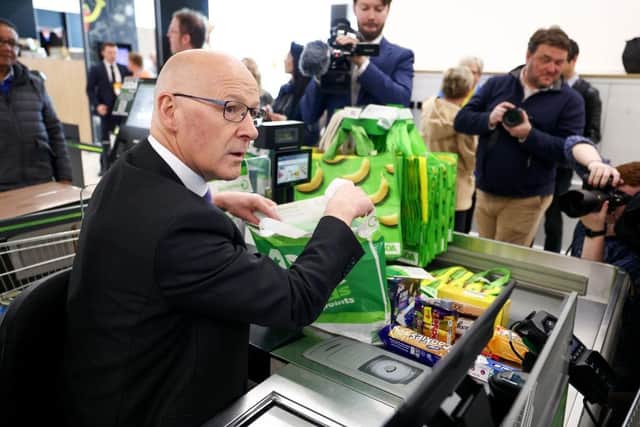
A group of 23 business organisations, including retail, food and drink production and manufacturing, which combined employ 300,000 people across Scotland, has penned a letter to Mr Swinney, calling on him to scrap the flagship plans.
“We recognise there are differing views on how best to ease the cost of living, particularly for less affluent households”, the letter states.
“However, we jointly believe the mooted statutory food price cap is unnecessary, ineffective, and likely to deliver significant adverse consequences.
“This is despite the assurances you have sought to provide to primary producers. The impacts upon retailers, food and drink producers, and shopworkers in themselves are undesirable but the effect will be to increase, rather than decrease, the cost of household goods.”
The letter argues that “Scottish ministers should withdraw the food price cap proposal” and “ work with retailers and the supply chain to tackle the factors which are leading to elevated prices”.
Mr Swinney is also under pressure to ensure the NHS is his “top priority” in tomorrow’s programme for government amid fears the health service is “fighting for survival”.
Recent figures show already-high waiting lists are climbing again, with outpatient waits rising for four consecutive months and long outpatient waits of over two years starting to increase again.
The SNP government also faced criticism for scrapping the long-promised new Monklands hospital immediately after the election and failing to provide clarity on other NHS infrastructure projects.
Scottish Labour acting leader Jackie Baillie said “Scotland’s NHS and social care services are fighting for survival and confronting this must be a top priority for John Swinney and the SNP.
.jpg?crop=3:2,smart&trim=&width=640&quality=65)
“This is a pivotal moment for the future of health and social care if we are serious about supporting people to live healthier and longer in their own communities – and there is no room for the same old complacency from the SNP.
“We need a real plan to drive down waiting lists for good, now that the SNP’s pre-election sticking plasters are starting to come off and waits are rising again.”
SNP Health Secretary, Angela Constance will publish her government’s promised blueprint to improve flow through hospitals in an attempt to ease pressure on acute care facilities.
The plan, published later today, will set out immediate, medium and long-term actions for the NHS to improve how patients move through the hospital system.
Ms Constance said that “people rightly expect NHS services that are responsive, joined up and easy to access”.
But she admitted: “Too often that is not the case with services difficult to navigate, patients waiting too long for urgent care or spending longer than necessary in hospital because the community support is not in place.
"Staff work incredibly hard to provide the best possible care but are doing so in a system facing rising demand, increasing complexity and significant pressure. The current model of care is unsustainable.”
Ms Constance argued her plan would lead to “a smoother journey through hospital and returning home sooner, with the right support to remain independent in your community”.
Comments
Want to join the conversation? Please or to comment on this article.