
Burnham pledges 'cost-of-living government' as he announces £850m VAT cut on energy bills
Electricity bills will be VAT free from October 1
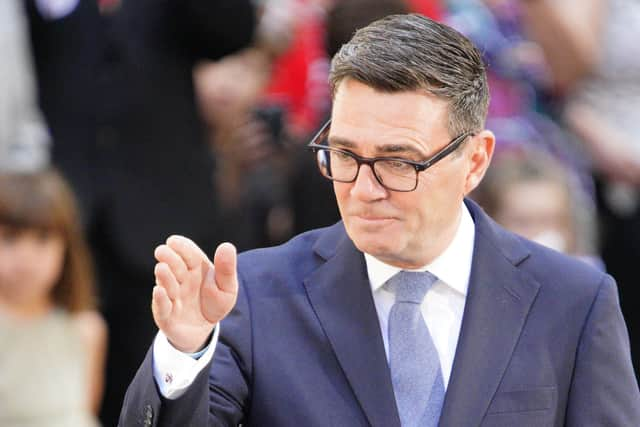
Andy Burnham told ministers he will lead a “cost-of-living government” after announcing an £850 million tax cut on electricity bills.
From October 1, electricity bills will be VAT free, saving households around £45-a-year - a move critics said did not go far enough.
In a sign of internal party splits, Darren Jones, a key ally of former prime minister Sir Keir Starmer who lost his Cabinet post on Monday when Mr Burnham took office, also said the policy was “unfunded”.

It comes amid forecasts that household energy prices will remain high throughout this winter, following a £221 jump to the price cap that took effect on July 1, raising it to £1,862 a year.
The energy price cap is currently forecast to rise by 2 per cent in October, largely driven by increased unrest in the Middle East pushing wholesale prices up, to £1,906 a year, Cornwall Insight said.
Mr Burnham used the first meeting of his Cabinet to say that ministers must give people “a sense that help is coming”.
He vowed to always “show how we’re going to pay” for policies to help hard-pressed people.
The government said the electricity bill VAT cut would be funded in part by scrapping Sir Keir’s digital ID project, which had been estimated to cost about £600 million a year over three years.
But that falls short of the estimated £850 million hit to tax revenues from the VAT cut, and funding for digital ID was meant to have come from unidentified Whitehall savings.
Mr Jones, who was the minister in charge of the digital ID scheme, said in a post on X: “Good news that VAT will be cut on electricity bills. It’s a simple way for families to save a few quid, and to mechanically help to keep inflation that little bit lower.
“But the DigitalID program was unfunded.
“The government will have to set out how it will pay for its new policies at the budget.”
His public criticism is a sign that Mr Burnham’s premiership could face problems from Starmer loyalists.
The government said the £1.8 billion cost of the digital ID scheme over three years had been “scored” by the Office for Budget Responsibility, meaning the money would have had to be found.
The cash that would have been used has been reprioritised to fund the tax cut, ministers said.
Mr Burnham told the Cabinet that they needed to examine “all possible ways” to help families struggling with high costs.
After arriving to applause, the Prime Minister told his new-look top team in Downing Street they needed to consider “what can we do just to take that little bit of pressure off people’s shoulders, just to give them that little extra sense that help is coming so that they can have that bit of hope that things are getting better”.
He asked his colleagues to look into what measures “big and small” their departments could do to help.
“We need to be a cost-of-living government, getting that cost of living down, looking at all possible ways of doing that,” he said.
Mr Burnham sat opposite his new Chancellor John Healey, and was flanked by Cabinet Secretary Dame Antonia Romeo and Education Secretary and deputy Labour leader Lucy Powell.
Mr Healey, who resigned from Sir Keir’s government in protest at funding for the military, warned his colleagues that “we’ve got some big challenges” ahead and that they needed to look closely at their departmental budgets as they refocus spending.
The new Chancellor said the move to reduce VAT on electricity bills “doesn’t solve the cost of living, but it does indicate that we’re offering them help, we’re offering them hope, but we’re only doing that because of a reprioritisation”.
A spokesman for the Prime Minister later insisted the move was fully funded.
“What we’re doing is we’re funding this through the cancellation of the digital ID programme,” he told journalists.
“Departments were going to have to fund the Digital ID programme through their existing budget reprioritisation. Departments will now direct these savings towards this.”
SNP economy spokesperson Kirsty Blackman said: “The SNP has been calling for an end to VAT on energy bills for years, and it is welcome that families will save an average of £45 a year from this move - but that is a drop in the ocean compared to the hundreds of pounds in extra costs families have taken on under the Labour Party, as the cost of living in the UK soars.
“Energy bills are currently around £600 higher than the Labour Party promised at the election, and the cost of living is sky-high under the Labour government, so most people will still be paying hundreds of pounds more even after this move.
“It is essential that Andy Burnham announces an emergency cost of living budget to deliver a much more significant package of financial support for households.”
Martin Lewis, founder of MoneySavingExpert, said the VAT cut would have little impact.
“This is a good totemic step and very welcomed,” he said. “Yet in practice people won’t feel much benefit.”
Nigel Farage said it failed to “address the real issue of the cost of living”, particularly in homes heated using oil or gas.
The Reform UK leader also said it was “something that is only allowed because of Brexit”.
Having left the European Union, billpayers in Britain are not subject to minimum VAT rates which apply throughout the 27-member bloc.
Mr Farage also made fresh calls for a general election, saying the new Prime Minister “has no mandate whatsoever” to meet his promise of “the biggest changes in 40 years” to UK politics.
Comments
Want to join the conversation? Please or to comment on this article.