
Burnham's ruthless purge of cabinet amid 'biggest change to politics in 40 years
The new PM sacked nearly a dozen senior ministers as he announced his new government.
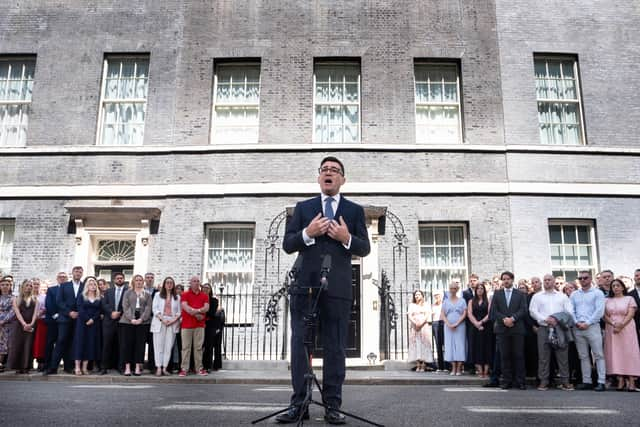
Andy Burnham announced a ruthless purge of Sir Keir Starmer’s allies from cabinet after he became Prime Minister on Monday and promised the biggest change to British politics in 40 years.
The new PM sacked nearly a dozen senior ministers as he announced his new government and pledged to set out his first policy plans, primarily to address cost of living pressures on Tuesday morning.
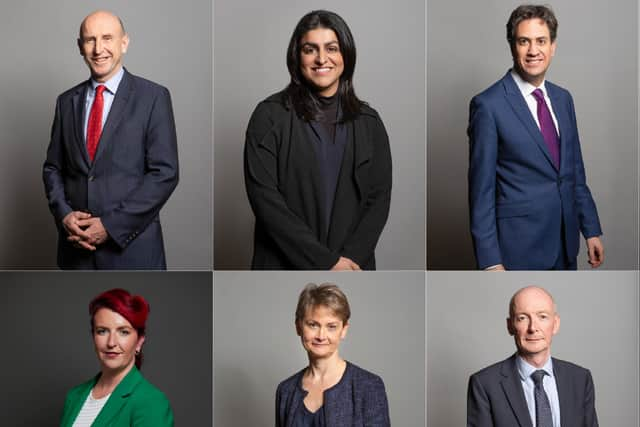
He also made the shock move of announcing John Healey as chancellor, rather than Ed Miliband or Shabana Mahmood.
Read more: ‘Agree to disagree’, Andy Burnham tells John Swinney on independence
Former chancellor Rachel Reeves, deputy prime minister David Lammy, housing secretary Steve Reed, business secretary Peter Kyle and science secretary Liz Kendall all lost their jobs.

Welsh secretary Jo Stevens, chief secretary Darren Jones and Northern Ireland secretary Hillary Benn were also sacked.
On top of this, attorney general Lord Richard Hermer, international development minister Baroness Jenny Chapman and paymaster general Nick Thomas-Symonds - who attended cabinet - were also shown the door.
Mr Reed, a Starmer loyalist, told Mr Burnham: “I hope those who did not show loyalty to Keir will now show it to you.”
In his first speech as Prime Minister, Mr Burnham – whose return to Westminster triggered Sir Keir’s resignation – acknowledged the turbulence in British politics which meant he was the seventh prime minister since 2016.
Read more: Why Scotland must learn from Andy Burnham's 'Live Well' philosophy – Sarah Davidson
It was, he said, a time for “reflection and new resolution” and “Britain needs to show the world that we can regain our stability once again”.
He acknowledged a disaffection among Britons with politics in general.
“I know people at home are fed up with politics. I hear you and I want to be honest with you – we have not been good enough, and we need to be better. We will be.
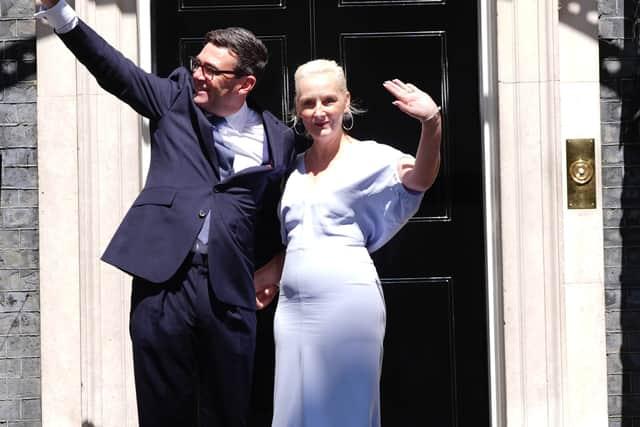
“We will make this moment a circuit breaker for Britain, bringing forward the biggest changes in the last 40 years – a new political model and a new economic model.”
He suggested that would mean putting “life’s essentials back under stronger public control to make them affordable” and using public spending to back British businesses.
Mr Burnham said he would set out a 10-year plan later this year but promised more immediate help to deal with squeezed household finances.
“I can do something to give people some breathing space now, some help with the cost of living, and I will set out some of those measures starting tomorrow, including how we pay for them,” he said.
He said his first instruction was to end rough sleeping across the UK, with the prime mininster later telling reporters he was looking at measures including rent freezes, caps on bus fares and help with energy bills although no final decisions have been made.
Read more: Andy Burnham 'will take more pragmatic approach' to North Sea oil and gas
His position on the future of the North Sea oil and gas industry is yet to be revealed.
Former defence secretary Mr Healey was the first appointment of Mr Burnham’s new government
He quit Sir Keir’s government last month in protest about spending on the armed forces.
He replaced Ms Reeves, the UK’s first woman chancellor, who he had clashed with over the defence investment plan.
Mr Healey said it is the “greatest privilege” to take on the role of chancellor and that it was “time to get on with the job”.
Mr Miliband and Ms Mahmood had at different times been reported to be the frontrunners for the chancellor job.
Former energy secretary Mr Miliband was made Foreign Secretary instead, while Ms Mahmood remained as Home Secretary.
Angela Rayner has been appointed back into her old job of Housing Secretary, Jonathan Reynolds has been appointed Business Secretary, Lucy Powell is the new Education Secretary and Anneliese Midgley has been appointed as Chief Whip.
Louise Haigh, a key ally of Mr Burnham who was instrumental in getting him into No 10, has been made First Secretary of State and Chancellor of the Duchy of Lancaster, giving her a role as a fixer across government.
Ms Haigh quit as transport secretary in 2024 after it emerged she had pled guilty to fraud after falsely reporting to police that her phone had been stolen.
Bridget Phillipson remains in cabinet as Women and Equalities Secretary, although she has lost the education brief.
Ex-deputy prime minister Mr Lammy said he would continue to support the Government “from the backbenches”, and wished Andy Burnham “every success”.
In a post on X, he said: “It has been the greatest privilege of my life, coming from humble beginnings in Tottenham, to serve in government as Keir Starmer’s Foreign Secretary, Justice Secretary and Britain’s first Black Deputy Prime Minister.
“I am immensely proud of what we achieved, in Opposition and in Government.
Read more: Andy Burnham could not match excitement of when Keir Starmer became PM
“I would have been proud to continue serving in Cabinet. But a new Prime Minister is entitled to build his own team, and I wish Andy Burnham and the new Cabinet every success,” he added.
“I will continue to serve the great people of Tottenham, support this Labour government from the backbenches and do everything I can to help defeat Reform again at the next general election.”
Ms Mahmood said the post of Home Secretary is “the best job in the business” and vowed to continue with immigration reform.
She said: “It is an honour to remain as Home Secretary in Andy Burnham’s cabinet.
“I may be biased, but it’s the best job in the business.
“We have begun the work of major reform, to make our streets safer and our immigration system fair for all. Now let’s finish the job.”
In his first speech as Prime Minister, Mr Burnham – whose return to Westminster triggered Sir Keir’s resignation – acknowledged the turbulence in British politics which meant he was the seventh prime minister since 2016.
It was, he said, a time for “reflection and new resolution” and “Britain needs to show the world that we can regain our stability once again”.
He acknowledged a disaffection among Britons with politics in general.
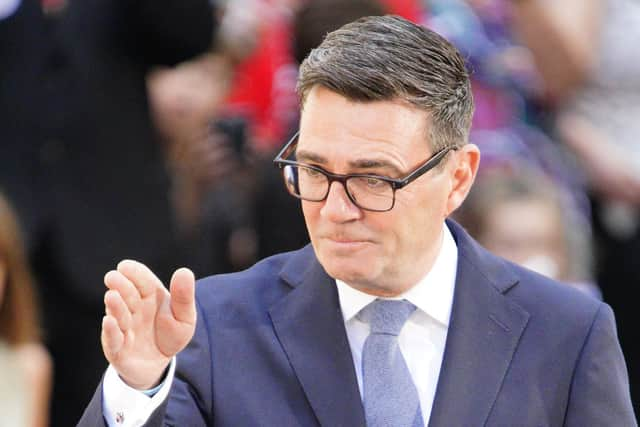
He suggested that would mean putting “life’s essentials back under stronger public control to make them affordable” and using public spending to back British businesses.
Mr Burnham said he would set out a 10-year plan later this year but promised more immediate help to deal with squeezed household finances.
“I can do something to give people some breathing space now, some help with the cost of living, and I will set out some of those measures starting tomorrow, including how we pay for them,” he said.
Mr Burnham later told reporters he was looking at measures including rent freezes, caps on bus fares and help with energy bills although no final decisions have been made.
The decision to appoint Mr Healey, rather than the potentially more radical Mr Miliband, as Chancellor is an indication of Mr Burnham’s intention to calm the markets.
Mr Burnham said his approach was about putting the “right values and the right standards” at the heart of government.
“I will put the care of people at the heart of everything I do,” he said, urging Britons to “pull with me” to “build a new national sense of unity”.
His first call as Prime Minister was with Donald Trump and Downing Street said he told the US president he hoped to show him “what Manchester had to offer during a visit in the future” amid speculation next year’s G20 summit could be held in the North West.
Mr Burnham swept into Downing Street after being asked to form a government by the King following Sir Keir’s resignation.
In his final speech as prime minister Sir Keir praised the “greatness of Britain”, and said: “I go with good grace, I go with a smile, and I go proud of everything that we have achieved.”
Comments
Want to join the conversation? Please or to comment on this article.