
Threats against scientists must not derail global plastic pollution treaty
With tiny pieces of plastic waste now getting into people’s bodies, the UK must work to ensure the Global Plastics Treaty, currently under negotiation, is not watered down
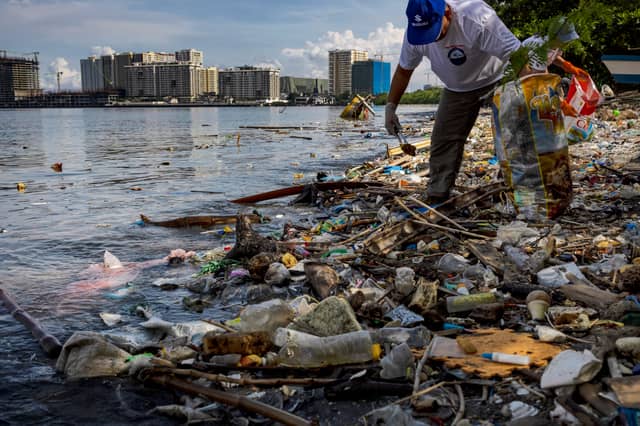

Shopping bags; scraps of net; empty bottles. If you have been on a beach in Scotland, you have been on a beach littered with plastic pollution.
It is a problem – a scandal – that is so endemic now that it barely passes mention most of the time, but we can and must take notice now and act against plastic pollution worldwide.
That is why on Thursday I led a debate in the UK Parliament to press the government on what they are doing to support the Global Plastics Treaty, currently under negotiation. The coming weeks may be the last chance to reach a bold treaty which will tackle this scourge on our environment – with strong, binding targets to cap and reduce plastic production.

Beach litter-picking an endless task
The growth of this problem has been a blight on our shores for decades and it is only getting worse. In the Northern Isles we are fortunate to have organised litter-picking campaigns – Bag the Bruck in Orkney and Da Voar Redd Up in Shetland. Their work makes a measurable impact in cleaning up the shoreline, but within weeks swathes of plastic are washed up on the beaches again.
What is alarming is that in recent years, when I join a litter-pick on a beach and end up looking at it and thinking that it is absolutely pristine, within ten more minutes of careful picking I can fill yet another carrier bag with small pieces of plastic.
Those small pieces of plastic eventually turn into microplastics, which are now found everywhere from Arctic ice to drinking water – and even inside our own bodies. It remains unclear what the long-term impact of microplastics are on animal and plant life, including our own, but I suspect you will agree with me that it would be better not to have to find out.
UN member states are currently negotiating a legally binding international agreement that will address the entire life cycle of plastics, from design to production and disposal. If it lives up to its promise, the treaty could be a turning point in the fight against plastic pollution. The next session of negotiations will held in Geneva next month, but there are already warning signs flashing.

Binding targets
The original ‘final’ round of talks in November failed to reach an agreement. During a Commons’ Environment, Food and Rural Affairs Select Committee session that I chaired, we heard evidence that scientists taking part in the treaty negotiations are facing significant pressure and, in some cases, even reported threats.
That is why leadership from our government is so vital to get this treaty over the line in August. The UK delegation – with accountable ministers taking the lead – must stand up for openness and transparency at the negotiations, and they must reject any attempt to water down this treaty. We need binding targets to reduce the production of plastic and we need to reject any treaty that does not contain this key commitment.
This is a challenge that knows no border and recognises no party. We can and must drive more action to cut plastic pollution, for the good of our planet – and so that future generations can enjoy the pristine shores of our country as they once did.
Alistair Carmichael is the Scottish Liberal Democrat MP for Orkney and Shetland
Comments
Want to join the conversation? Please or to comment on this article.