
Criticism of Scottish broadcasting quotas as new report warns confidence in system is 'fragile'
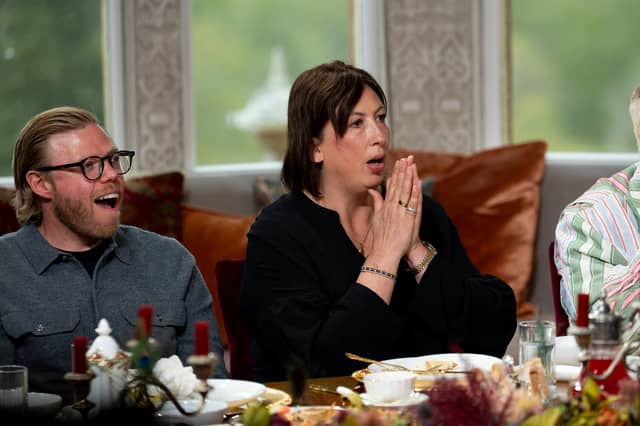
Concenns raised over production of hit BBC Traitors programme


Confidence in the broadcasting quota system which requires the BBC and other broadcasters to produce programmes in Scotland is “fragile,” according to a new report.
Public service broadcasters (PSB) are required by law to produce content for the entire UK, with quotas in place for work that must be made outside of England.
But new research commissioned by Screen Scotland has warned that the quotas alone could not secure strategic outcomes, as such long-term sectoral growth.
The quotas, seen as a crucial way of ensuring production companies remain sustainable and bolstering the health of the Scottish broadcasting sector, and there continues to be widespread support for their use.
However, the report flags a range of issues which have undermined confidence in the system, with criticism directed to the way some flagship programmes are made.
“While public sector broadcasters and some policy stakeholders point to measurable spend outside London and cluster development, production companies, freelancers and academics identify recurring weaknesses around ambiguous criteria, self-reporting, limited visible enforcement, and perceived gaming through practices such as brass-plating, lift-and-shift production and parachuting senior talent,” the report concluded.
“The central issue is therefore not whether quotas should exist, but whether they are sufficiently rigorous, transparent and outcome-focused to strengthen regional production ecologies in practice.”
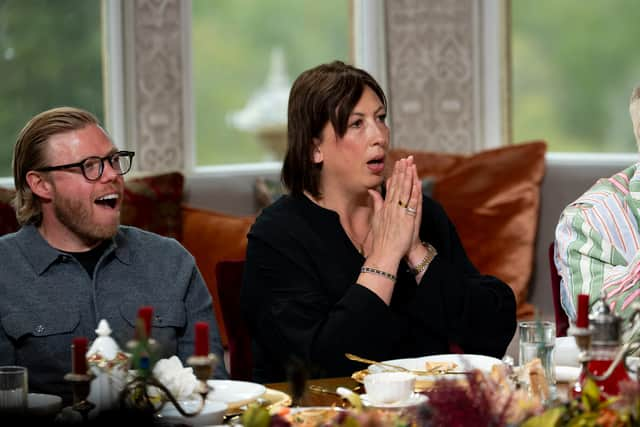
One Scottish headquartered production company who took part in the research pointed to one of the BBC’s highest profile programmes, The Traitors, as a prime example of what is known as ‘parachuting’, whereby production firms commissioned to make shows in Scotland travel to the country for the sole purpose of the production.
“Traditionally, it suits the public service broadcasters to commission in bulk out of Scotland, get a big chunk of their hours away with the big production companies in London, who they know very well,” the firm explained. “That's always been the case. And Traitors is merely the most kind of egregious example of that.”
The BBC has claimed that the hit show and its celebrity-based spin off series have contributed tens of millions of pounds to the Scottish economy through employment, supply chain spending and screen tourism, but other research has questioned the amount of Scottish staff involved in its production.

The new report, produced by the Diffley Partnership and Solid Media, found that the quotas are operating in a “profoundly altered landscape” from the one in which they were introduced, and pointed to “longstanding questions” over the criteria used by Ofcom. It also raised questions over whether the nations are benefiting as much as they could be from the intended direct and indirect impacts of the quotas system.
It said that there is a perception of “unfairness” and “gaming of allocation” to quotas within the current system by public service broadcasters and London-based suppliers, and highlighted a “broad spectrum of opinion and perspective” within the research which indicated that quotas “may have possibly made things worse,” given they are perceived as “a minimum to meet, and not exceed.”
The research also cited concerns that have been raised regarding the way in which quotas can be fulfilled with what are known as “bulk” or returning commissions, which can eat into commissioning budgets and minimise the chances of other projects being commissioned. Examples given in the report include the BBC’s broadcasting of snooker and bowling.
David Smith, interim executive director at Screen Scotland said: “Ofcom’s regional production quotas have played an important role in ensuring television production takes place across Scotland and the wider UK, and this research demonstrates strong support for retaining them during this period of change for British broadcasting.
“However, this new research also confirms that many working across the TV sector believe that investment from the PSBs across the UK should be delivering lasting economic and creative outcomes.
“The focus of the current Ofcom quota regime could shift away from an output - the activity of production - and onto more sustainable outcomes, such our publicly funded and owned broadcasters working strategically to develop and sustain Scottish suppliers and facilities, creating opportunities for Scottish talent, developing skills and generating sustainable employment.”
He added: “The focus of regulation should be on achieving these outcomes, not simply measuring short-term production activity.”
The publication of the new report comes just two days after the BBC announced that the BBC Scotland television channel is to be wound up as part of the corporation’s drive to cut £500 million in costs.
The channel, which launched in February 2019, will move to BBC iPlayer in spring next year, although its nightly News at Seven programme will close, with the changes expected to result in the loss of around 10 posts in addition to 60 job cuts announced by BBC Scotland earlier this year.
The move has also sparked renewed fears for the impact on production companies in Scotland who have fulfilled commissions for the channel.
Philippa Childs, the head of the broadcasting union, Bectu, said the cuts would impact programming, talent development, and jobs and stressed the need for urgent decisions around the future funding model of the BBC.
Responding to the latest research, culture secretary Màiri McAllan said: “Scotland has a thriving screen sector, and it's vital the regulatory framework for public service broadcasting works to support its continued growth. This research is a valuable part of that conversation, and I'd like to thank everyone who contributed.
“We want to see production quotas that help build lasting businesses, sustainable jobs and meaningful career opportunities for talent across Scotland. The Scottish government will continue to work with partners to ensure public service broadcasting delivers real and lasting benefits for Scotland’s screen sector.”
Comments
Want to join the conversation? Please or to comment on this article.