
Why closure of BBC Scotland channel was sad but inevitable – Stephen Jardine
The BBC must adapt to the dizzying rate of change in the modern media world – and seize the enormous opportunities it is creating

What are you watching on TV at the moment? Right now we’re spoilt for choice. Even without the smash hit Traitors, the options are many. From Sharon Horgan’s HBO hit Youth to Apple TV’s brilliant Slow Horses and the tense legal drama War on SKY One, the best TV of the year is on screen right now.
But it’s not in one place. The proliferation of platforms means, from Netflix to Amazon Prime, you need to be an expert in channel navigation to track the best bits. For the BBC, that’s a problem.
A generation ago, people sat on the sofa and watched BBC One. If they felt clever, they might try BBC Two or even pop on ITV. Those days are gone. That has coincided with a drop in licence-fee revenue as people switch spending to streamer subscriptions while still using significant parts of the BBC without having to legally pay for it.
A bold attempt to boost Scottish programming
Research shows 93 per cent of people utilise the BBC every month, but only around 78 per cent of households pay for it. That’s the backdrop to this week’s decision to close the linear version of the BBC Scotland channel as part of cost-cutting measures designed to save £500 million. Sad but inevitable.
The channel was a bold, ambitious attempt to boost production and programming in Scotland. However in this multi-channel age of streaming, broadcasting is changing at breakneck speed and the BBC needs to adapt.
I met the new Director General, Matt Brittain, this summer and it was clear he understood the scale of the task ahead of him. Two weeks ago, during a staff briefing, he unveiled what could be a future version of the iPlayer, bringing all BBC content together in one place. It looked amazing.
But not everyone wants to stream content online when they please. Many older viewers like the communal experience of appointment-to-view TV when sit down to watch a show at the same time every week. As ever, the challenge for the BBC is to be all things to all people.
A new funding model
However, this moment also represents an enormous opportunity. The streaming platforms are vying to build audience and awareness. The BBC is already one of the world’s most recognised brands with a century of heritage behind it. Despite scandals and pitfalls, according to the Reuters Institute, it remains by far the most trusted media organisation in the UK.
But it needs to agree a new funding model with the UK government and must adapt to provide programmes in new ways. That will mean spin-off shows, podcasts and social media clips designed to keep audiences engaged.
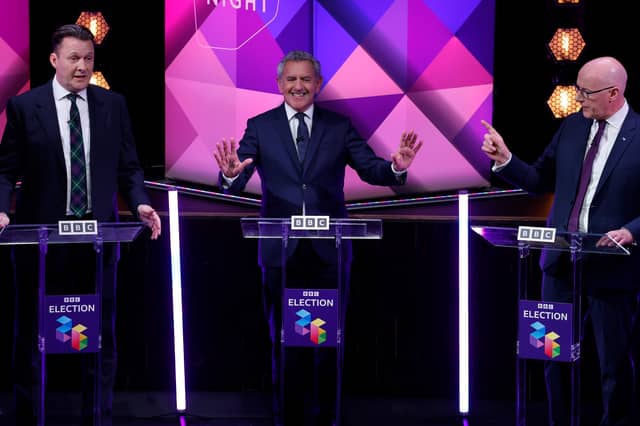
The politics show I present, Debate Night, will remain on the online version of BBC Scotland on the iPlayer and move to BBC One Scotland. That’s because our ratings are good but also because we deliver something else.
A clip from a show in Edinburgh last month has reached well over two million views on social media. So far this series, show highlights have been viewed over 12 million times. People now get their information in different ways but good content will always find an audience.
The BBC’s challenge is to transform and keep pace with the dizzying rate of change in the modern media world. Standing still is simply not an option.
Comments
Want to join the conversation? Please or to comment on this article.