
Highland traffic: The 18-month plan launched to fix 'horrendous' Fort William congestion on A82

Last year businesses said the long queues and delays had reached a ‘crisis point’
A plan to tackle “horrendous” traffic congestion in Fort William will be drawn up following the appointment of consultants commissioned by the council to tackle the crisis.
Highland Council said it had appointed two firms to come up with a plan over the next 18 months, establishing proposed interventions and funding sources to ease congestion and improve journey times.
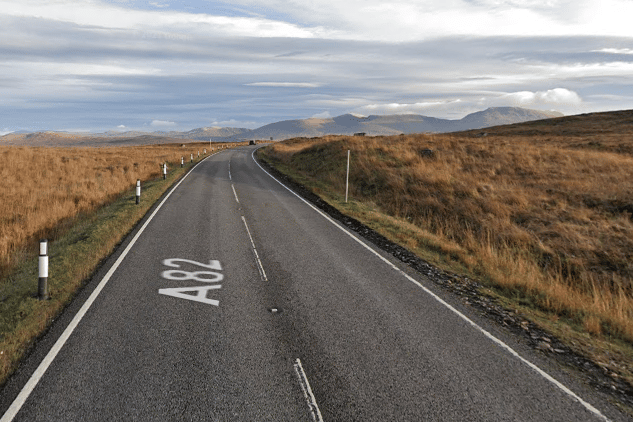
Fort William, considered a gateway to the Highlands, is plagued by severe queues and delays, with the A82 in particular facing frequent gridlocks. The A82 is a key north-south route linking the Highlands to central Scotland and allows access to popular destinations such as Ben Nevis and Glen Coe.


Last year, local businesses warned traffic congestion had hit “crisis point” and was holding back investment in the area.
Residents reported journeys through the town that would have previously been five minutes talking three quarters of an hour.
Highland Council said emergency services had also been impacted by the congestion, with staff facing problems getting to work, as well as delays to emergency vehicles accessing roads.
‘Major step forward’
In 2022, a major Scottish transport review recommended the development of an integrated transport plan (ITP) for Fort William.
Highland Council has now said it had taken a “major step forward” by appointing two infrastructure consulting firms, AECOM and Stantec, to produce the plan.
“This is a significant and long-overdue milestone for Fort William,” said Councillor Ken Gowans, Highland Council's economy and infrastructure committee chairman.
“The appointment of AECOM and Stantec to take forward the Integrated Transport Plan brings renewed momentum and a real opportunity to tackle the long-standing issues of congestion and connectivity that affect residents, businesses, and emergency services alike.
“This plan is a key step in shaping a better future for Fort William and the wider Lochaber area.”
Transport Scotland said the “in-depth” study would explore measures to improve local connections and journey times, and would consider multiple modes of transport.
The proposed study area borders Loch Eil, Loch Linnhe and along the corridors made by the Great Glen and Glen Nevis.
The council said flood risk areas around the River Lochy, Nevis and Loch Linnhe restrict where development can take place, while the steep sides of the glens also limit transport options.
Frazer Coupland, chief executive of West Highland Chamber of Commerce, told the BBC the plan was a "lifetime opportunity" for the area.
He said: "We are a town of low resilience when it comes to our transport infrastructure. It only takes a small mistake to really congest the place up and gridlock us on occasions.
"A four to five-mile journey can take up to an hour if you go at the wrong times of day."
‘Crisis point’
Businesses say they have suffered severely from long-standing problems with congestion in the area and have warned about the impact on investment.
In September, Lochaber Chamber of Commerce said getting through Fort William was a problem that had now reached a "crisis point" and demanded urgent action be taken by the Scottish and UK governments, as well as Transport Scotland.
Salmon producer Mowi has also raised concerns about delays in getting raw materials in and out of the town, which can lead to markets not being reached.
David Phillips, the managing director of Shiel Buses, has also branded congestion during peak seasonal traffic as “horrendous”.
The company has reduced its day-time 30-minute service through the town’s Corpach and Plantation areas to a bus running only every 60 minutes.
Comments
Want to join the conversation? Please or to comment on this article.