
Does My Dog Have Heatstroke? Vet reveals symptoms and advice on how to protect pets from the heat
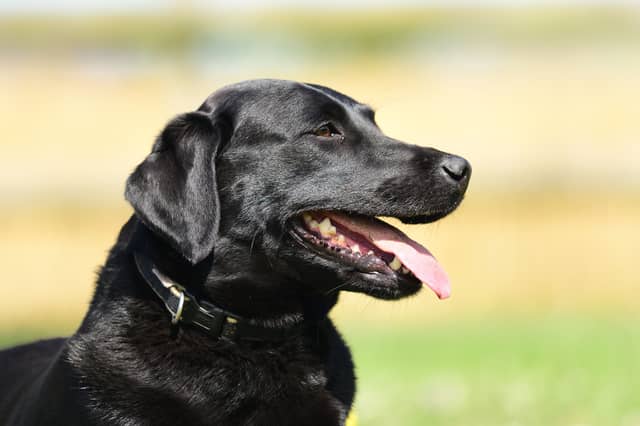

It’s important to keep an eye on pets when temperatures rise.
Yet another heatwave is hitting Scotland this week and it’s going to be hotter than Bali.
While it’s nice to enjoy the warmth, it can be a challenging time for our four-legged friends.
As pets are unable to communicate when they are overheating, or struggling with dehydration, they are at risk of suffering in extreme conditions more than most.
Heatstroke is the most common pet illness during the warmer months and, to help out, Dr Rhian Littlehales at Medivet has highlighted the key symptoms to look out for, and offered tips to keep your pet safe.
What at the symptoms of heatstroke in dogs?
Here’s what to look out for:
- Excessive panting
- Excessive thirst
- Very red gums
- Rapid heart rate
- Lethargy
- Vomiting or diarrhoea
- Staggering, weakness or collapsing
What can I do to protect my dog from the heat?
Wet then Vet!
If you spot any of the symptoms of heatstroke - remember “Wet then Vet.” It is important to first soak your pet with cool water, although any non-toxic fluids such as cold fizzy drink could be used if it was the only available item, and contact your vet to seek medical advice.
Adjust your walking routine
It’s important to remember to walk your dog early in the morning, or in the evening when the ground is cooler on their paws and be sure to keep walks shorter than usual, as too much physical exertion can cause your dog to overheat and become dehydrated. On extremely hot days, dogs will benefit from skipping a walk completely, as evenings and early mornings are still hot enough to trigger heatstroke. If you’re not sure if the pavements are too hot, place the back of your hand on the ground for seven seconds. If you struggle to hold it down, it’s too hot to walk your dog.
Provide access to fresh drinking water
Dogs need to drink plenty of water during warm weather, and it is essential to provide fresh clean water whether at home, in the garden, or out on walks to prevent dehydration. You can encourage your pet to drink more than usual with running taps, multiple water bowls, or even by purchasing a play pool. Proactively soaking your pet, by encouraging them to play in a pool, can also help prevent heatstroke and is often a fun activity for your dog on days when they are missing a walk because of the high temperatures.
Apply pet friendly suncream
Like humans, pets can suffer from sunburn if they’re not properly protected, and breeds with short or white hair, or with pink ears are more at risk. To help keep them protected, you can purchase animal friendly suncream and apply it to the sensitive areas, including the nose, lips, tips of the ears and belly, but always ensure your pet is in the shade, or the coolest part of the house during the hottest time of the day.
Book regular grooms
Grooming your pet during the summer can help them regulate their temperature, particularly if they have long or thick fur. Ensure you’re regularly brushing to get rid of shedding fur but take care to never shave your dog as it will make them more susceptible to sunburn.
Provide shady spots
If your dog loves to play out in the garden, it’s important they have lots of shaded areas where they can relax away from the sun. Encouraging your pets into the shade is much better than a dog house as it allows air to circulate freely, helping to keep them cool. However, you can set up a shaded makeshift den with a water bowl and their favourite toys to encourage them to stay out of the heat but keep an eye on how the sun moves throughout the day to make sure the shade lasts into the afternoon.
Never leave your dog alone in the car
Never leave your dog alone in a car during summer, as it’s one of the leading causes of heatstroke in dogs. Even on a mild 23°C day, the temperature inside a parked car can soar to 43°C in just 30 minutes and it can happen in as little as 10 minutes when it's hotter. The safest choice is to leave your dog at home, where they have access to shade and fresh water while you’re out.
Comments
Want to join the conversation? Please or to comment on this article.