
Why CFOs need to know about people, as well as numbers
Financial leaders are now expected to be able to communicate clearly, build trust and articulate strategy, says Hazel Wynn
For a long time, the chief financial officer (CFO) was seen as an organisation’s safety net – a technician, a financial guardian, and the overseer of good governance. Their remit was clear and largely separate from the CEO or managing director, looking back through historical financial information, ensuring the numbers were right, and costs were diligently controlled.
But that archetype of the CFO is rapidly disappearing. Over the past decade or so, the role has been evolving rapidly – particularly since the pandemic. Today’s CFO is no longer the quiet custodian of the balance sheet. They are increasingly one of, if not the, CEO’s closest collaborator, and in many cases the natural successor to the top job. In fact, research shows nearly one-third of FTSE 100 CEOs come from a CFO background.
It’s an evolution we have seen through 13 years of running our NextGen CFO series, which has featured more than 30 of Scotland’s most prominent finance leaders. Over that time, they have all talked about just how much the role is changing and how it continues to do so – whether in family business, private equity-backed firms, or publicly traded companies.


There are several forces driving the evolution of CFOs. Firstly, finance has become far more integral to how organisations operate. Over the past 20 years, businesses have navigated financial crises, political upheaval, and technological disruption – all of these have required finance leaders to be at the fore. So, rather than being seen as the gatekeeper on spending, they are now expected to be forward‑thinking, strategically minded, and actively supportive of growth.
Second, the remit of the CFO has expanded dramatically. Many now oversee aspects of HR, IT, and operations, edging closer to hybrid roles that take in a variety of disciplines. AI, automation, and data analytics have become a central part of the finance function, and CFOs are expected to understand not just the numbers but the systems, technologies, and people that produce them.
This is fundamentally changing the shape of finance teams. They have grown, become more cohesive, and are being encouraged to engage with the wider business. Roles with commercial finance, FP&A, and business partnering at their core are on the rise, all of which are forward‑looking and focused on supporting growth, and that only feels likely to continue.
With so many immediate challenges to manage, it is understandable that many organisations are focused on the short term, trying to protect profitability. But, there is a growing sense that the most sought-after CFOs are those willing and able to look further ahead, ensure their people are equipped to take on the roles required in the years to come, and are able to plan and invest accordingly.
In that sense, CFOs have also become far more outward‑facing. Whether in a PE‑backed business dealing with investors or a PLC engaging with shareholders, they now spend a significant portion of their time managing relationships with external stakeholders. The ability to communicate clearly, build trust with a variety of people, and articulate strategy is now an essential part of the job.
The world has seldom been more uncertain and, with that, the role of CFOs has rarely been more important. There are plenty of people who have the technical ability to take on the job, but the ability to communicate, exercise judgement, manage stakeholders, and build trust – both internally and externally – are becoming the key traits of finance leaders. While they may have been known for their skills with numbers in the past, it’s the human elements of their skillsets that will make them a critical part of how their businesses function now and in the future.
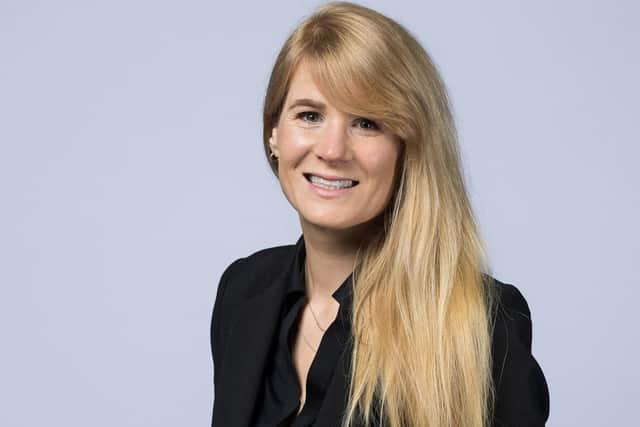
Hazel Wynn, managing director at Rutherford Cross
Comments
Want to join the conversation? Please or to comment on this article.