
UK inflation jumps to higher-than-expected 3.5%: What this means for borrowers and savers

“It’s not just that everyday essentials cost more, it’s that the prospect of cheaper borrowing is moving further away”
The latest grim news on the inflation run was even worse than most economists had been anticipating, but perhaps it shouldn’t have come as a surprise.
As energy bills creep ever higher and prices at the pumps hover around record levels the general rate of inflation has risen to its highest rate in almost a year.
The latest official figures show the annual measure of consumer prices index (CPI) inflation hitting 3.5 per cent in September, up from 3.1 per cent in August, and above the 3.4 per cent reading that most experts had been expecting. September’s figure is the highest CPI rate since the 3.6 per cent recorded in October last year, though it remains well below the 11.1 per cent peak recorded in October 2022 following Russia’s invasion of Ukraine and the subsequent spike in oil prices.


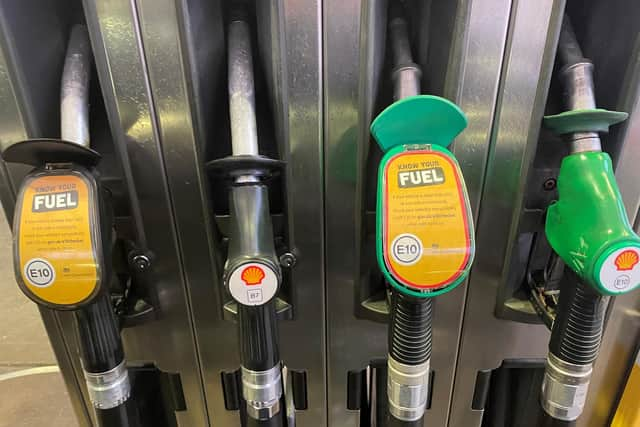
Prices across the transport industry were the biggest contributor to higher inflation last month, particularly motor fuels. Average petrol and diesel prices reached their highest level in four years in September, according to the latest Office for National Statistics’ (ONS) data.
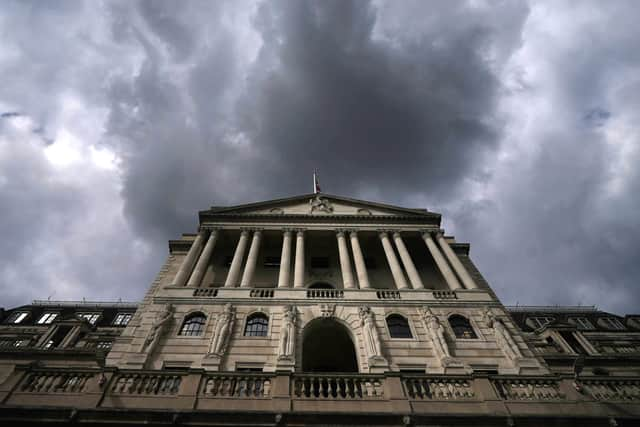
The higher-than-expected headline inflation rise to 3.5 per cent continues an unwelcome upward trend, and will put pressure on the Bank of England (BoE) to hike interest rates as it attempts to get the rate back towards its 2 per cent long-term target while avoiding strangling economic growth. The central bank’s monetary policy committee (MPC) is due to meet on two more occasions before the turn of the year - November 5 and December 17.
A hike next month is now looking increasingly likely, indeed many analysts see a quarter-point increase in the bank base rate to 4 per cent a dead certainty, and there will be further pain ahead for millions of borrowers.
Felix Feather, economist at Aberdeen Investments, said: “The UK’s headline inflation rate jumped from 3.1 per cent to 3.5 per cent in September, locking in a Bank of England hike in November.
“Fuel prices were the most important factor driving the increase. But, importantly, core inflation also picked up from 2.6 per cent to 2.8 per cent. The rise in services inflation from 3.4 per cent to 3.7 per cent is particularly concerning, as it mostly reflects domestic factors rather than the cost of imports. And the rise of inflation isn’t done yet.
“We expect the headline rate to peak over 4 per cent in the first quarter of 2027 after the cap on household energy bills is lifted by around 25 per cent. That should prompt a further BoE hike in February next year,” he added.
If, or more likely when, interest rates head north, existing fixed-rate mortgage holders will not see their payments change immediately, but people approaching the end of a deal are likely to face significantly higher refinancing costs. Those average fixed rates are already sitting close to 6 per cent.
Savers may benefit if interest rates remain higher for longer, but experts have warned that the figure advertised on an account does not tell the full story. Any savings rate below 3.5 per cent at present would fail to keep pace with inflation, meaning the money would continue to lose purchasing power.
Philly Ponniah, chartered wealth manager and financial coach at Philly Financial, said: “Inflation rising to 3.5 per cent is another blow for households already feeling squeezed. It’s not just that everyday essentials cost more, it’s that the prospect of cheaper borrowing is moving further away.
“For mortgage holders, higher inflation increases the pressure on the Bank of England to keep interest rates higher or raise them further. Those on fixed deals have some protection for now, but anyone re-mortgaging needs to prepare for potentially higher repayments.
“For savers, higher interest rates might sound like good news, but it’s the return after inflation that really matters. If your savings earn 3 per cent while inflation is 3.5 per cent, you’re still losing purchasing power.”
Kevin Brown, savings expert at Glasgow-based financial mutual Scottish Friendly, added: “For consumers, making sure savings are earning a competitive return after inflation, building a financial buffer where possible, and considering longer-term investing when it makes sense to do so remain sensible ways to protect their finances.”
Overall, motor fuels soared by 30 per cent in the year to September, up from a 23 per cent annual rise in August, the ONS data showed. Between August and September, average petrol prices rose by 8.2p to 169.5p per litre, which was the highest price recorded in around four years. Diesel surged by 10.7p to 192.5p, the highest price since July 2022.
According to RAC figures, average diesel prices surpassed 200p a litre for the first time ever at the beginning of this month.
Fuel costs have been soaring because of the conflict in the Middle East which has squeezed global oil and gas supplies.
ONS chief economist Grant Fitzner said: “Inflation climbed notably in September to its highest annual rate in almost a year. Increased fuel prices were again the main driver, with the cost of diesel the highest since July 2022.
“Other upward pressures included airfares and, to a lesser extent, computer games and live events, which are often volatile. These were partially offset by the cost of hotel stays, where prices rose by less than this time last year.
“The annual cost of both raw materials and goods leaving factories continued to rise, driven by higher crude oil and petrol prices, respectively.”
Comments
Want to join the conversation? Please or to comment on this article.