
Could your dream car be more affordable than you think?

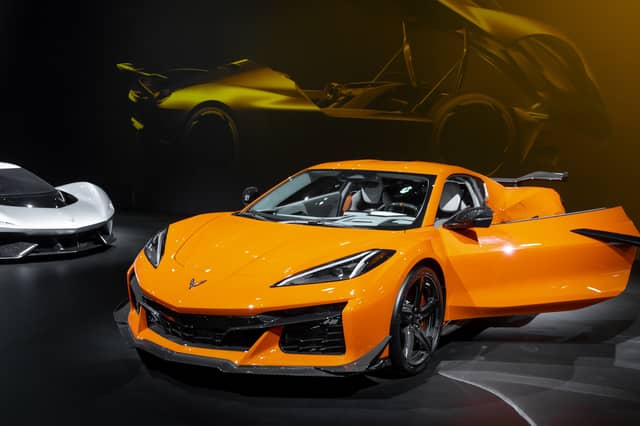

Owning a luxury car is something many dream of - but the cover price is only the start of the cost.
They are the stuff of driving dreams, icons of style and design that put the heart, soul and sound back into the motoring experience.
Classic and luxury supercars are often seen as a wish-list item, something to aspire to after years of saving.
With the rise of electric cars ushering in a driving experience that is quiet, safe and where an on-board computer provides more assistance than you might like however, these classic cars are in greater demand than ever before as enthusiasts look for something that makes them feel alive behind the wheel.
While owning a luxury or supercar is a goal for many drivers, working out whether it's actually affordable involves far more than checking the asking price.
From specialist servicing to secure storage, several ongoing costs can catch new owners off guard if they haven't budgeted for them in advance.
Graham Davidson, owner and director of The Auto Lounge, understands the thrill of a classic car better than most.
Fuelled by a passion for GT racing, Graham started with driving road cars at Knockhill, and has been a race-day regular for over 20 years - with a 2019 victory in the British GT Championship with TF Sport/Aston Martin Racing and team mate Jonny Adam his biggest achievement to date.
“This is a passion business,” he says. “We do it because we love cars, and all of us either have their own cars and aspire to have their own cars. So we know what customers are looking for.”

Their Aberdeenshire business, which involves sourcing, selling, servicing and storing classic and luxury cars, has seen a surge in interest in recent years, which Graham put down to a combination of investment opportunity and the desire from drivers to find something different to their electric car.
“I would say the push towards electric cars and hybrid vehicles has highlighted the satisfaction and enjoyment that you can get from a traditional petrol powered sports car.
“We are busier than ever with people who want a sports car that makes them feel alive with sound and vibration and more of a soul to it.”
When it comes to affordability, Graham is keen to point out that there is a wide range of starting price points for these cars - and that while ongoing costs need to be considered, they could be less than you think.
The Auto Lounge has cars ranging from £20,000 up to over £1 million, so it is more about finding the car that is right for you.
And Graham says a warranty is one of the safest investments to make alongside a classic car.
“The ongoing costs can add up, although insurance can actually be a lot less than you would imagine, as most supercar owners won’t drive them anywhere near as much - they’ll maybe take them out on the weekend or to a few events, so there’s less chance of an accident.
“Repair costs can mount up, but you can get bespoke warranties for these cars that might seem expensive up front, but if you’re paying £1500 for a warranty that saves you from a £7000 repair bill you see the value in it.”
He has also noticed a rise in people buying supercars as a way of investing - as the scarcity and desirability of some models means they can appreciate in value over time.
“It is a market that is seeing more people looking to buy cars as an investment,” he said. “It’s less volatile than some markets as it’s something you can touch.
“And if it does go down in value then at least you’ll have enjoyed driving it, which you can’t say about most stocks.
If you are planning to take the plunge and splash out some serious money on a luxury car however, making sure you’re considering all of the costs is an important step.
John Graeme, Luxury Car Expert at Redline Specialist Cars, said: “Before purchasing a luxury vehicle, there are plenty of financial considerations to be mindful of. It’s important to look beyond the initial price tag and consider what ownership could actually cost over time.
“The first step is to understand that the purchase price is only the starting point.
“Insurance on a high-performance vehicle is typically far higher than on a standard car, and servicing, parts and tyres also come at a premium, given the specialist nature of these vehicles.
“Fuel or energy costs, along with depreciation, should also be factored in. I'd always recommend that buyers work out a realistic monthly running cost, rather than assuming the price they pay for the car is the only high cost.”
“Beyond the obvious running costs, there are several additional charges that owners can overlook. Depending on where a car is driven and stored, this can include emissions-based charges such as ULEZ or Clean Air Zone fees, congestion charges, and Vehicle Excise Duty, which is often higher for high-value or high-emission vehicles.
“Secure storage or garaging is also worth budgeting for, particularly for higher-value cars, along with the potential impact on home or specialist insurance premiums.
“These costs can add up significantly over the course of a year, so it's worth researching them for your specific location and vehicle before committing to a purchase.”
Comments
Want to join the conversation? Please or to comment on this article.