
Alarm over impact of new Edinburgh tram line construction on firms after 'immense' previous disruption
Plea for funding to prevent firms from collapsing

Businesses disrupted by construction of Edinburgh’s new tram route should be given Covid-level support following the “immense” impact some suffered during building of the original line, a trade body has urged.
The Federation of Small Businesses (FSB) called for higher funding to be made available because it fears firms could be at risk of collapse by the loss of trade, especially over the southern half of the proposed line through the south side of the capital.
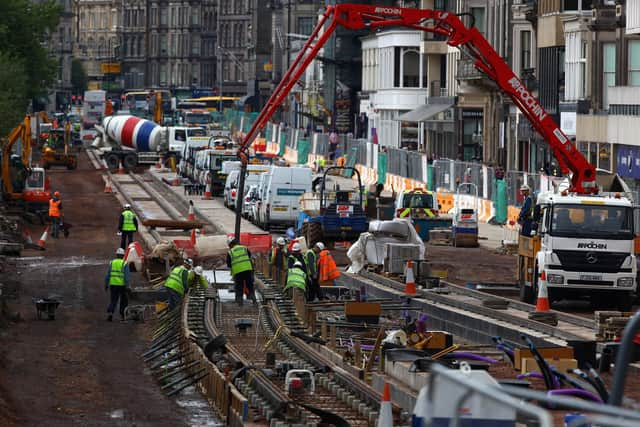

The group also wants a a specific fund for repairing buildings damaged by construction work vibrations.
The Edinburgh Tram Inquiry led by Lord Hardie into the fiasco over the original line, which was finished years late in 2014, concluded that the project had caused “significant disruption” to affected businesses.
The FSB said the planned new north-south line, between Granton and the BioQuarter near the Royal Infirmary, was likely to have a positive impact but businesses must be compensated for disruption while it was being built.
Its response was among more than 11,000 made to a public consultation into the scheme, whose results are expected to be published next year.
Garry Clark, its east Scotland development manager, said: “New tram lines could deliver significant benefits in the medium to long term, including improved connectivity, increased footfall for local businesses, and greener transport links.
“However, support for businesses affected by any future tram works needs to be far greater than in the past and must be built into the overall costs of the project.
“We need to learn from the experience of previous tram projects which caused immense disruption to businesses in Leith, the city centre and the West End.
“From what we have seen before, businesses along tram construction routes have faced problems with reduced access and footfall, noise and dust, and disruption to deliveries to and from their premises.
“In some cases, this has directly forced the closure of businesses or their relocation to other parts of the city.
“Financial support to businesses must be sufficient to prevent closure and cover relocation costs for businesses unable to trade effectively from their current location.”
Mr Clark said he was particularly concerned over the potential impact over the southern part of the line, south from the east end of Princes Street.
He said: “This route runs along some very busy commercial streets and construction works would result in prolonged major disruption to local businesses.
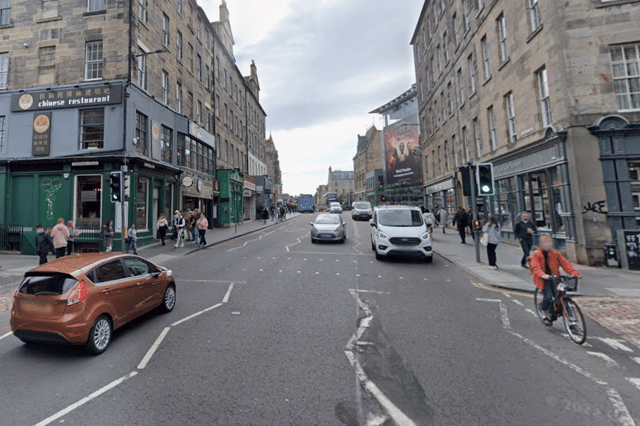
“The package of support for businesses brought forward by the council for previous tram works was inadequate, resulting in many businesses having to relocate or face closure.
“They should be at least as generous as those received by businesses from the government across the duration of the Covid pandemic.”
The tram inquiry report said after that hearing from businesses, including in Leith Walk and the West End, it was clear “there was significant disruption to trade and consequent loss to the business owners in those areas caused by the construction work.
Lord Hardie said they had “suffered loss because of the disruption caused by the construction works, which impeded access to their premises by prospective customers and goods delivery personnel. Some businesses ceased trading altogether, and others reported significant losses.”
City of Edinburgh Council transport and environment convener Stephen Jenkinson said: “Whilst it is too early to discuss specific packages of business support, we’ll work closely alongside the FSB and the capital’s wider business community as we move forward.
“The tram expansion would be transformational for Edinburgh, bringing significant economic, social, and environmental benefits to the city and our residents.
“We know from the existing line just how much of a boost it would bring to communities and businesses along the route.”
Comments
Want to join the conversation? Please or to comment on this article.