
Spending on North Sea decommissioning to reach almost £25 billion over the next decade

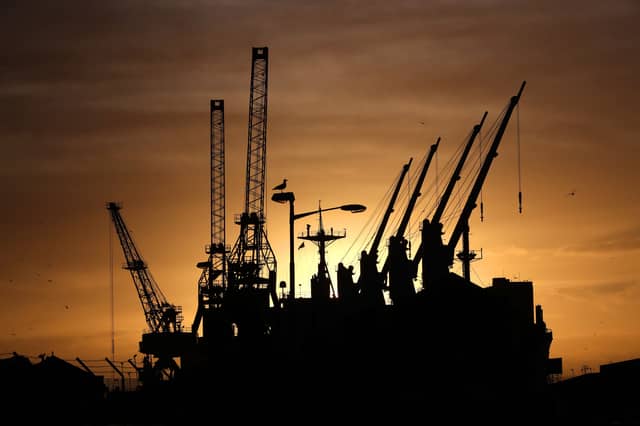

New report stresses need for coordinated capacity strategy
Spending on North Sea decommissioning is expected to reach almost £25 billion over the next decade in what is being hailed as a “major industrial opportunity”.
A new report from industry body Offshore Energies UK (OEUK) has predicted that spending in this area could amount to a total £24.7 billion over the period 2026 through to 2035.
Spending is forecast to peak at £3.08 billion in 2027, before remaining at £2.74 billion or above through to 2031, according to OEUK.
The report also states that North Sea oil and gas sector needs earlier coordination to deal with the twin demands of decommissioning work and offshore wind development over the coming decade.
A lack of robust planning could see the sector contend with rising costs and risk missing key decommissioning target OEUK says.
It said work was needed to secure specialist vessels, engineering capability, skilled workers and port capacity.
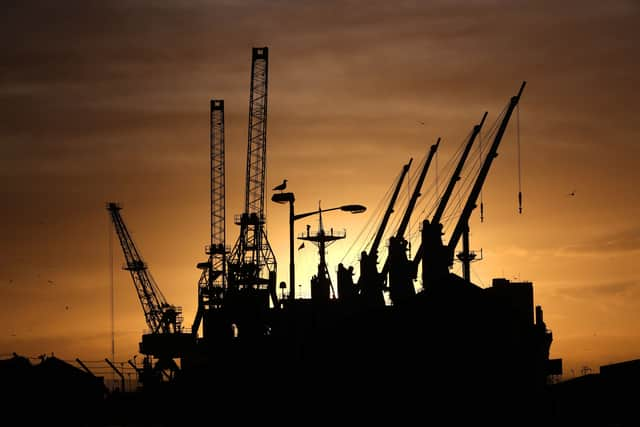
OEUK pointed out that the vast scope of the decommissioning work over the next nine years spanned 1,834 wells, 135 topsides, and 126 underwater structures.
At the same time, new offshore wind capacity is forecast to peak at 5.20 GW in 2029, followed by sustained additions of more than 3 GW a year from 2031 to 2035.
In its Decommissioning Insight report, published today, the offshore energy trade association said that with the central North Sea region alone expected to account for 56 per cent of decommissioning expenditure over the decade, maintaining a dependable pipeline of work will be important as specialist resources move from the northern North Sea and programmes to the west of Shetland towards the eastern waters off Scotland.
It stressed that a visible pipeline of work was not the same as secured delivery capacity, with earlier commitments that allow suppliers to invest with confidence in equipment, facilities and staff crucial.

Mark Wilson, OEUK’s energy operations director, said: “Coordinating decommissioning and offshore wind therefore presents an opportunity to keep the UK’s offshore industrial base working as the energy mix changes, safely dismantling legacy infrastructure and building the next generation of offshore energy.
“This is a major industrial opportunity for the UK, but it will not happen by accident. Oil and gas decommissioning and offshore wind increasingly need the same people, vessels, ports and engineering expertise.
“We need to plan across both sectors, align schedules and give suppliers sufficient confidence to invest. Earlier decisions and sustainable contracts will help prevent bottlenecks, control costs and keep valuable work and expertise in the UK.”
The report said that the decommissioning market should “be treated as a long-term strategic industry rather than solely an end-of-life obligation,” adding that although the opportunity over the next decade was “substantial,” demand was uneven across years, regions and work scopes.
It detailed a series of priorities for the sector, including steps to combine compatible projects where possible, and the need to invest in ports, yards and recycling facilities to support dismantling and recycling of material.
The report concluded: “The UK has a visible, decade-long decommissioning market and a strong domestic capability base. Capturing the full value of that market will depend less on the existence of demand than on the quality of sequencing, collaboration and investment decisions made before demand peaks.
“A coordinated capacity strategy, supported by transparent schedules, campaign-based delivery and a reconciled evidence base, offers the clearest route to safe execution, stronger cost performance and greater retention of economic value in UK businesses, infrastructure and communities.”
Comments
Want to join the conversation? Please or to comment on this article.