
Jackdaw bosses set out Tornado gas hopes as government says it will fast-track other North Sea projects
Energy chiefs set their sights on another gas field after ministers say they will speed up applications for ventures linked to existing infrastructure

Energy giants behind the Jackdaw gas development are turning their attention to the key Tornado field after the UK government confirmed it will fast-track projects tied to existing North Sea infrastructure.
Adura, a joint venture between Shell and Equinor, has suggested it is “looking beyond Jackdaw and Rosebank” for the UK government to open the door to a flurry of oil and gas projects to be given the green light.
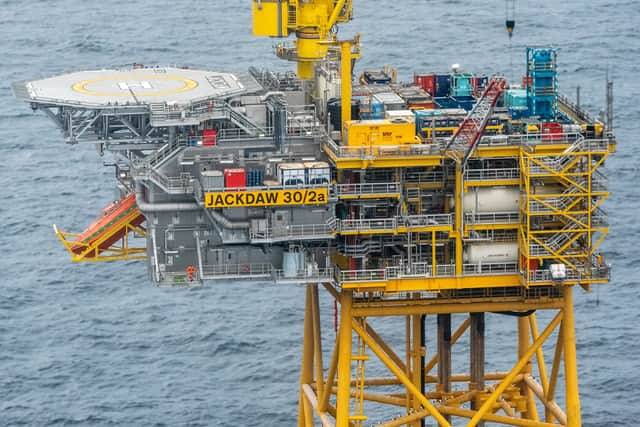

UK energy secretary Miatta Fahnbulleh confirmed on Wednesday that the Jackdaw gas project can go ahead after concluding the climate impact will not derail the UK’s 2050 net zero target. The project will not reduce energy bills but the UK government argued it will deliver “a small but meaningful” boost to energy security.
Prime Minister Andy Burnham told MPs he was taking a “pragmatic” approach to the future of the North Sea and helping to “build a bridge to a renewable future”.
The Jackdaw project, which is set to start producing gas for UK homes by the end of the month, will potentially generate more than £2 billion for the economy as well as sustaining 371 jobs and creating 27 full time direct positions.
The Scotsman previously revealed that as well as the Rosebank oil project, at least five proposed developments are also awaiting consent to start drilling. All of those projects hope to begin production of oil and gas by the end of the decade.
Adura holds a joint 50 per cent stake with Ithaca Energy in the Tornado gas project, located about 150 miles west of Shetland.
If approved, the Tornado project would result in up to 80 million barrels of oil equivalent (boe) of gas produced - around double the potential of Jackdaw.
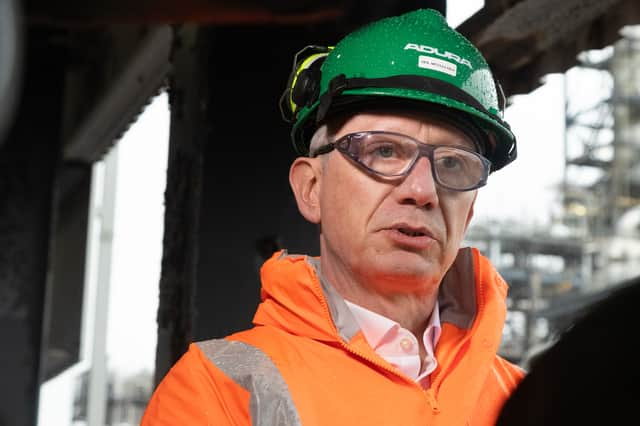
Speaking after Jackdaw was approved, Adura chief executive Neil McCulloch said: “We’re also looking beyond Jackdaw and Rosebank, there are other fields to invest in the UK to make sure we have energy security.”
The hopes for Tornado receiving environmental consent have been handed a boost after the UK government also confirmed on Wednesday that it will fast-track some so-called tieback projects that are linked to existing oil and gas infrastructure.
Last year, in a compromise with the oil and gas sector, the UK government announced transitional energy certificates will allow for some oil and gas production to take place in already-explored areas that are near licensed fields, linked via a tieback. It is hoped the compromise will ensure existing fields can remain economically viable.
Labour ministers will begin talks with the North Sea Transition Authority to “consider urgent cases” that could benefit from measures now, before legislation brought forward in the energy independence bill, is in place.
READ MORE: Jackdaw gas field approval cannot be distraction from wider crisis facing Aberdeen and the North Sea
The UK government claims that this move will ensure the sector can support existing oil and gas fields and prolong their life, while still preventing exploration in new unlicensed areas under Labour’s manifesto pledge.
Professor John Underhill, director of energy transition at Aberdeen University, said: "The fact that Jackdaw has now passed the Offshore Petroleum Regulator for Environment & Decommissioning (OPRED)’s rigorous climate compatibility test to evaluate its emissions and carbon footprint holds an even greater long-term significance because it sets a precedent for other UK gas discoveries to be developed and come on stream.

“Consequently, there is now a greater potential for those gas discoveries to be tied-back to existing infrastructure, something that can extend the life of domestic gas production.”
But Adura faces a battle for the Rosebank oil field to be approved - given the climate impact is much bigger than Jackdaw, while the majority of the oil will be exported overseas.
The UK energy secretary has tempered expectations about Rosebank being approved, with reports suggesting Ms Fahnbulleh is minded to reject the oil scheme.
Speaking in Aberdeen on Wednesday, she said: “One is a gas field that caters for the domestic market, while the other is an oil field that is mainly for export.
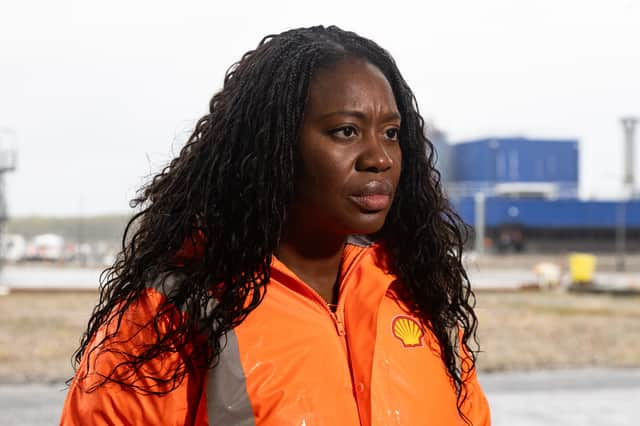
“It is right that we judge each application in its own right, and it is absolutely critical that the decision is consistent with our climate obligations, our carbon budgets and the end destination we need to get to with the energy transition.”
Mr McCulloch argued that the case for approving Rosebank “is equally strong”.
He added: “We believe that applying the same rigorous, evidence-based approach can lead to a similarly positive decision.”
READ MORE: Douglas Alexander criticises SNP's 'incoherent' approach to North Sea after Jackdaw decision
But climate campaigners have criticised the decision to approve Jackdaw and warned giving the larger Rosebank oil field the green light would be devastating for the environment.
Ami McCarthy, head of politics for Greenpeace UK, said: “What Jackdaw is guaranteed to do is generate record profits for Shell and Equinor while supercharging the climate chaos hitting families here and abroad.

“Going on to approve Rosebank would detonate an even bigger carbon bomb, releasing as much carbon as 56 coal plants operating for a year.”
But a row is also set to erupt between Scotland’s two governments after an energy wealth fund, which will ringfence oil and gas revenues to be spent on so-called clean energy projects, could include nuclear power projects that SNP ministers will block from being delivered north of the Border.
The Labour government announced that a new energy wealth fund is being established, which will use tax revenues from North Sea oil and gas to invest in renewable and low carbon energy projects and support the green transition.
Chancellor John Healey said this will start with an initial £2 billion of funding, with future revenues from the North Sea flowing into the fund over time.
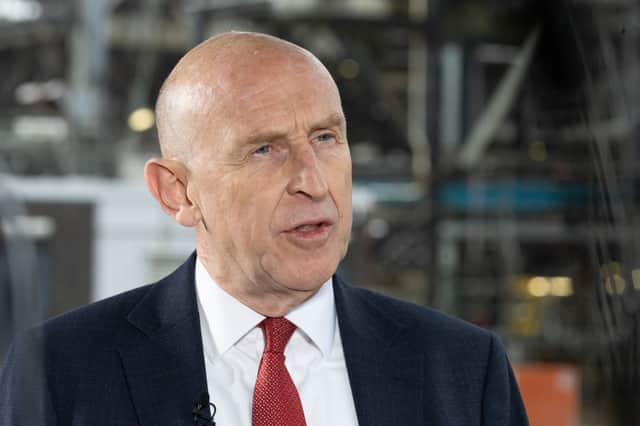
He said: “Since North Sea gas and oil were discovered decades ago, the benefit of our existing nation’s natural resources have not been turned into the long-term investment our country needs.
READ MORE: North Sea chief demands action from Andy Burnham to open 'bigger pipeline' of oil and gas projects
“Through our new energy wealth fund, we will invest in the clean energy industries of the future, creating jobs, driving growth and strengthening Britain’s energy security.”
But The Scotsman understands that the fund, which will be UK-wide, will also include nuclear projects, which are classed as low carbon, as well as renewables.
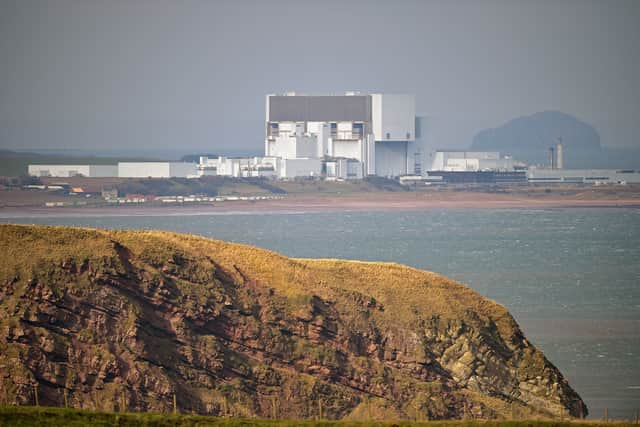
A UK government source said that “the fact that the Scottish government oppose it doesn't preclude that being an approach that we take at a UK level”.
They added: “The climate secretary herself was defining clean energy as including nuclear this time around.”
First Minister John Swinney has penned a letter to the Prime Minister, calling for the fund to be prioritised for Scottish offshore projects. The Scotsman previously revealed that the Scottish government’s flagship ScotWind projects are facing difficulties, particularly the floating wind proposals - with more leases expected to be handed back to Crown Estate Scotland in the coming months.
In his letter Mr Swinney said: “I am keen to understand when the new fund will start and why the ‘initial £2 billion injection of funding’ referred to by the Chancellor seems to represent only around half of last year’s North Sea revenues, how the fund will be managed and most importantly, to what purpose it will be used.
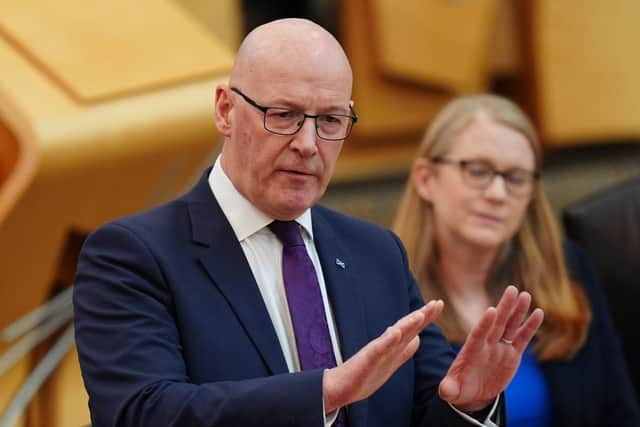
“My clear view is that, given the distribution of North Sea oil and gas resources, any such Fund should be prioritised for offshore renewable opportunities and be ring-fenced to be focussed on the North East of Scotland.”
Angela Hepworth, CEO of Scottish Renewables, warned that the decision to approve Jackdaw “must now be matched by a renewed drive to deliver our long-standing clean energy ambitions”.
She added: "Scotland has strong foundations to build on.
“Businesses are already diversifying from oil and gas into renewables, using their subsea and offshore expertise to sustain Scotland’s industrial capabilities and skilled jobs.
“We must build on that progress by accelerating fixed and floating offshore wind, using future revenues from domestic production to help widen those opportunities.”
Comments
Want to join the conversation? Please or to comment on this article.