
UK Budget 2026: What John Healey's spending plans mean for Scotland and you

The Chancellor has set out his spending plans in John Healey’s first Budget.
Chancellor John Healey has set out his spending plans in his first Budget since Andy Burnham became Prime Minister.
Mr Healey stressed that measures are needed to shield the UK from “global economic storms”.
The Chancellor argued he was bringing forward “a Budget for the working people of Britain” and “was “giving Britain some breathing space on the cost of living and the cost of business”.


Mr Healey’s Budget will have consequences for the Scottish government and also people living in Scotland, but some of the measures around business rates and housing will apply only in England.
Here are some of the key measures that will have an impact north of the Border and what it means for you.
Cuts to energy bills
Mr Healey warned that “too many people feel this country isn’t working well for them” as he targeted “rising energy costs, due directly from the conflict in the Middle East”.
He stressed that he wanted to “get UK energy costs down in line with Europe” and will bring forward a “new cost control framework to drive down all aspects of energy bills”.
Budget 2026 LIVE: Chancellor John Healey's spending plans and what they mean for Scotland
He told MPs that the UK government will “only buy and build new projects when they can lower bills and when they can connect to the grid”.
The Chancellor announced that the cut to VAT on electricity will be extended to July, taking £50 off the annual price cap.
Mr Healey said that as well as removing gas standing charges, that cost around £108 per year for a typical household, those living in council tax bands A-D will receive “a £100 energy payment for households” over the winter.

The Chancellor said this would be “paid directly into people’s bank accounts” and would “take the pressure off in the coldest months”.
Mr Healey said the Scottish government will receive “their share of this funding” and would “call on them to do the same”.
He also announced that a levy put on bills to pay for hydrogen projects will be scrapped, with the UK government paying the costs directly instead.
Petrol and diesel
Mr Healey announced a further extension of the UK government’s 5p fuel duty cut until next July.

He said the Middle East conflict is driving high fuel prices and is therefore extending the measure until next summer.
It comes as petrol and diesel prices have soared in recent months due to the geo-political impact on oil prices.
Mr Healey also announced that for those who need cars for work, he will increase the higher mileage rate from 25p to 35p per mile, while the standard mileage rate will be made permanent.
Suspending tariffs on 100 supermarket items
The Chancellor said he is slashing tariffs on a range of popular foods including chocolate, beans and gherkins to make them cheaper for shoppers.
The tariff cut is also aimed at bringing down the price of fertiliser for farmers, and kerosene for households which use the fuel for heating.
Wages increase
Mr Healey told MSPs that the national minimum wage and national living wage will increase by 3.9 per cent for 2.3 million workers across the UK.
The measure comes as inflation continues to rise, with wages not keeping pace.
Money for projects in Scotland
Mr Healey said his government was investing “directly in high growth industries” in Scotland.
He told MPs that would include £18m for advanced chip design at Edinburgh University and £6m for a project at Glasgow Events Campus (SEC).
£20 million will see the creation of two defence technical excellence colleges in the east and west of Scotland.
Defence spending in Scotland
The Chancellor opened the door for a boost in defence jobs in Scotland.
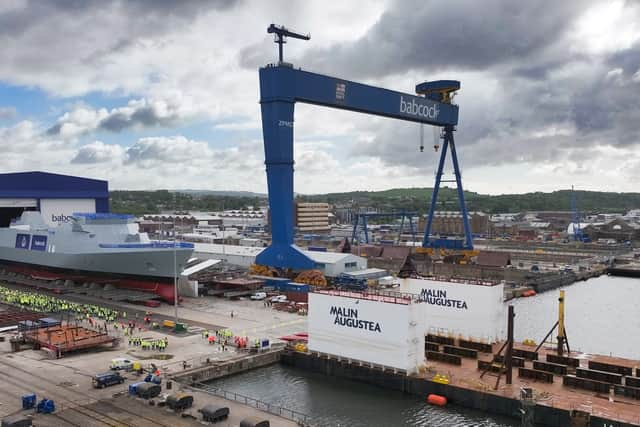
He warned that “demands on our UK defences are rising” and he will set out plans to fully ramp up spending on the armed forces at next year’s spending review.
The Chancellor said the boost in defence will be delivered “including through public private partnerships”, which have ben controversial in the past.
But he told MPs that sites including Rosyth in Fife, where Babcock has a manufacturing hub will be targeted as part of efforts to “expand our defence industrial base”, adding that the Fife location will be “reindustrialised and transformed”.
READ MORE: Chancellor warned not to axe North Sea energy project to fund defence in carbon capture 'betrayal'
Energy profits levy
Aberdeen’s oil and gas sector had persistently called for the UK government to bring forward reforms to the energy profits levy in the Budget - from the changes due to be implemented in 2030.
But the Chancellor made no announcement to bring forward those reforms the North Sea industry said would unlock £50 billion of investment.
Comments
Want to join the conversation? Please or to comment on this article.