
New EU deal to remove Brexit red tape on food exports

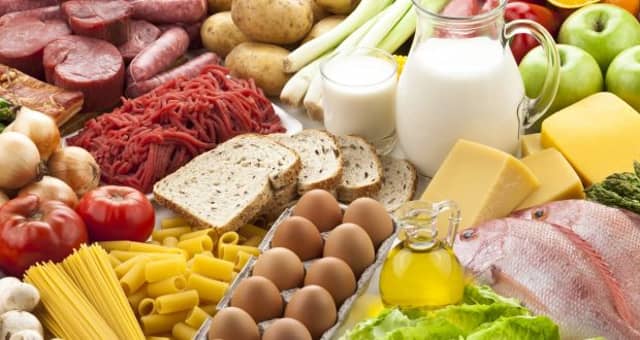

The draft deal would be the most significant part of the UK’s Brexit reset so far.
The UK has agreed a new draft deal with the EU on removing post-Brexit checks from food and agriculture exports.
It is being reported that a 200-page draft sanitary and phytosanitary agreement has been circulated to EU nations in Brussels for consideration tomorrow night, ahead of the UK-EU summit later this month.
The food deal would be the most significant part of the UK’s Brexit reset so far, as it would remove checks and red tape that hit exporters following the UK’s exit from the EU. It would remove the need for £200 export health certificates, £25 phytosanitary certificates, inspector fees, organic certificates, some port fees, sampling fees and some other checks for exports and imports to and from the EU.
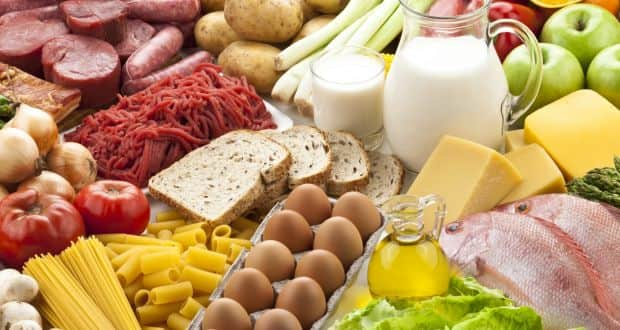
It would also allow UK exports of sausages, burgers, shellfish and seed potatoes to the EU to resume, and allow for UK passports for pets taken into the EU.
The UK Government estimates this will benefit the UK economy to the tune of £5.1 billion annually.
Under the agreement, the UK will adapt to existing EU regulations on plant, animal and food trade standards. While the UK is aligned with the EU on a good number of these rules, there are some key areas where it has diverged.
The draft agreement will be discussed at a meeting of EU ambassadors on Wednesday. It is also understood that the draft agreements will include references to UK involvement in defence cooperation schemes and access to law enforcement databases.
The British Chamber of Commerce says the current trade relationship with the EU is “failing to deliver” leaving firms “struggling with a thicket of Brexit red tape”.
It said: “The evidence from businesses suggests that the Prime Minister is right to have initiated a conversation on our future relationship with Europe, and he deserves real credit for having done so.
“Government needs to examine all of the options, remain clear-headed about the trade-offs each involves, and involve business in the decision-making process from the start.”
More than half of exporting businesses in the chamber’s survey said they wanted EU customs paperwork and delays removed, rising to 58 per cent of manufacturers.
Comments
Want to join the conversation? Please or to comment on this article.