
Exclusive:John Swinney opens door for Welsh private funds model as infrastructure projects face axe
SNP ministers are pondering the use of a Welsh Government initiative to use private investment to front up he costs of infrastructure projects ahead of a £2.1bn funding gap.

John Swinney has opened the door to using more private finance initiatives to fund Scotland’s backlog of infrastructure projects after fiscal forecasters warned the Scottish Government will be forced to cut proposed spending plans after a £2.1 billion black hole emerged.
The First Minister told The Scotsman his Government was investigating the use of “a range of tools” to cover the £2.1bn deficit for capital spending that will hit the Scottish budget by the end of the decade - with ministers poised for further partnership with the private sector.
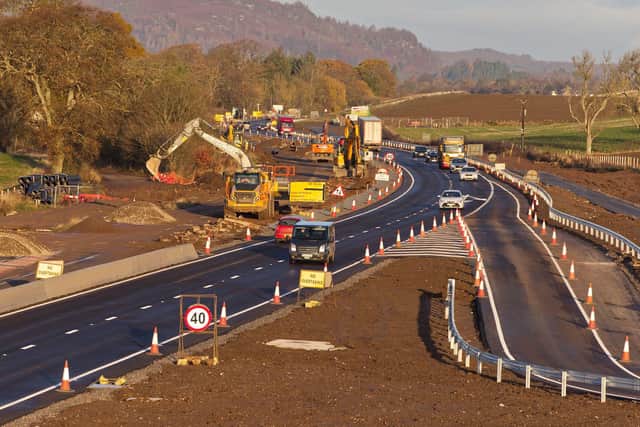

The Mutual Investment Model (MIM), used by the devolved administration in Wales, could be used to pay for essential roads and other infrastructure projects in coming years. The troubled project to complete the dualling of the A9 is potentially going to use MIM to pay for the north and central sections, with the scheme delayed a decade until 2035. In Wales, alongside roads projects, MIM has been used to pay for school and hospital projects.
Last year, the Scottish Government paused all NHS capital projects, including ten treatment centres. Officials have warned that a funding cut from Westminster alongside high inflation “has resulted in delays to several infrastructure projects and an increase in backlog maintenance”.
SNP ministers are due to confirm the A9 MIM contracts before the end of the year - “subject to ongoing due diligence” and “an updated assessment of market conditions”.
The alarm comes after the Scottish Government's medium-term financial strategy revealed Holyrood’s block grant for capital projects is expected to fall in real terms by 1.1 per cent between this financial year and 2029-30 and the capital development budget is “forecast to fall by 9.3 per cent”.
By 2029-30, the Scottish Government intends to spend £9.2bn on capital projects, excluding financial transactions, but is only set to receive £7.1bn in funding from Westminster.
The Scottish Fiscal Commission has issued a warning over the deficit for proposed capital spending.
Professor Graeme Roy, chairman of the Scottish Fiscal Commission, told The Scotsman the Scottish Government would likely need to cut funding for coming infrastructure projects, including transport plans, due to a lack of funding.
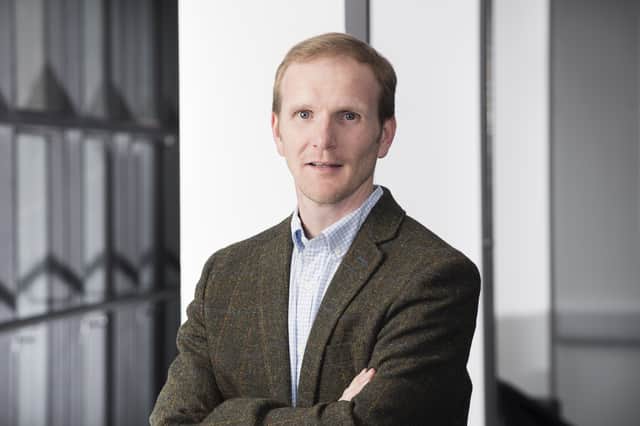
He said: “All the commitments they have or hope to have in an infrastructure plan are going to run ahead of the funding that’s flowing through. Essentially they’re going to have to revise these plans.
“The Government is due to publish much more detail about their infrastructure plan. We’ve been waiting for this for a very long time. That will be really fascinating just how they are prioritising some projects, but potentially also de-prioritising some other projects - whether that be major transport projects and the like. That should all come out in the spending review.”
The Scottish Government will publish its first full spending review since 2011 alongside the draft Budget in December.
The First Minister has suggested “a range of tools” will be looked at to find a method to pay for capital infrastructure projects, which could involve controversially utilising private finance. He denied transport and other infrastructure projects would have to be scrapped.
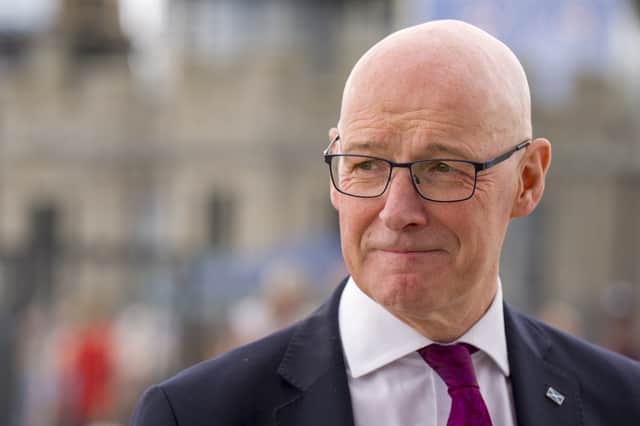
Speaking to The Scotsman, Mr Swinney said: “We’ve got a range of tools at our disposal to expand the capital budget. What we will do is utilise all of those tools in a fiscally sustainable fashion.
“As we take forward individual budgets, we take forward the spending review, which will be set out in December. We’ll essentially put into place the financial arrangements to support projects and to support their delivery.”
The Scottish Government can borrow up to £450m a year plus inflation, while £349m of funding from revenues generated by the ScotWind leasing remains to support future budgets.
The Government’s medium-term financial strategy states the spending review will “provide clarity over the projects and programmes which will be prioritised” and warns SNP ministers will be required to set out “where commitments will be paused, delayed or rescoped”.
Officials have admitted they are “currently exploring the use of revenue finance models to bring additionality to our capital funding envelope to deliver the infrastructure needed across the country”, which could include MIM and other private public partnerships.
The SNP Government has previously used a modified form of private public partnerships (PPP), which replaced the troubled PFI strategy - called Non-Profit Distributing (NPD). But concerns were raised that efforts to reduce risk has led to construction companies being reluctant to take on Scottish Government projects.
The MIM strategy involves setting up a company that is jointly owned by the private construction and/or finance companies and by the government, with the profits shared. In Wales, the government has paid a fee to the private partner to cover the construction costs, maintenance and financing of the project - with the asset transferred to public ownership on completion.
Scottish Labour Finance spokesperson Michael Marra said: “The SNP is scrambling to deal with the consequences of its own financial mismanagement.
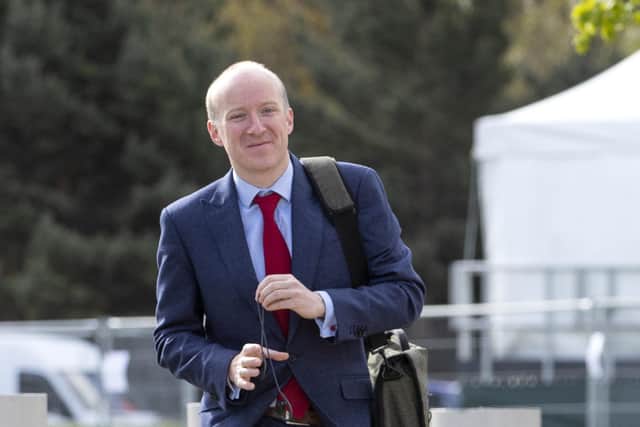
“From the ferry fiasco to the new Barlinnie Prison, countless capital projects have been hit with eye-watering cost increases under the SNP.”
Mr Marra added: “Our crumbling infrastructure is piling pressure on our schools, NHS and justice system, but the SNP’s budget blackhole threatens to halt badly-needed upgrades. The SNP simply cannot be trusted with the public’s money. Scotland needs a real plan to upgrade our infrastructure while delivering good value for taxpayers.”
A Scottish Government spokesperson said: “As the medium-term financial strategy set out earlier this year, as a result of the constrained capital funding settlement from the UK government, we are currently exploring the use of revenue finance models to bring additionality to our capital funding envelope to deliver the infrastructure needed across the country.
“This includes the possible use of the Mutual Investment Model, which is under consideration for funding the dualling of further sections of the A9. We have been clear that any investment must be affordable for both the resource and capital budgets and represent good value for money.”
Comments
Want to join the conversation? Please or to comment on this article.