
Digital ID: Warning hundreds of thousands of Scots without smartphone access excluded under Keir Starmer plans
One Holyrood leader said the Digital ID plans “sends a chill down my spine”.
Sir Keir Starmer has been warned his controversial digital ID plan “risks leaving a large number of people behind” amid fears hundreds of thousands of older people in Scotland that do not have access to smartphones face being excluded.
The Prime Minister set out his plans on Friday, with the aim of making it harder for people to work illegally, with the right to work in the UK poised to be contingent on having a digital ID by 2029.

The digital ID would be the authoritative proof of identity and residency status in the UK and include name, date of birth and a photo, as well as information on nationality and residency status.
In a speech, Sir Keir claimed the policy was “an enormous opportunity for the UK”, adding “it will make it tougher to work illegally in this country, making our borders more secure”.
He said: “It will also offer ordinary citizens countless benefits, like being able to prove your identity to access key services swiftly – rather than hunting around for an old utility bill.”
Scottish Secretary Douglas Alexander told the BBC that Scots “won’t be required to carry it or produce it except to prove your right to work in the United Kingdom”.

The UK government said that how the scheme would work for those who do not use smartphones would be addressed as part of the consultation process. However, the lack of detail has caused anxiety for those who do not have access to smartphones, including older people, facing the risk of being excluded.
Age Scotland policy director Adam Stachura said: “The government will really need to set out its stall on how it will support people who are currently offline and do not have smartphones, and how they intend to ensure people are kept up to date as time goes on.”

He added: “We know that there are hundreds of thousands of older people in Scotland without access to a smartphone. I’m sure many will be anxious about what this announcement might mean for them and the government’s expectations of them if they are unable to comply or access the new scheme.
“There is a huge amount of work that governments across the UK need to do in order to improve digital inclusion in the first instance, rather than immediately running down a digital-by-default track, which risks leaving large numbers of people behind.”
READ MORE: Scotland's NHS app to be rolled out across the country from April 2026 - but there's a catch
The UK government has not established how the glaring issue of digital exclusion will be resolved. It is understood that ministers could consider “physical alternatives” for those who do not have access to smartphones.
Speaking to The Scotsman, Scottish Conservative leader Russell Findlay warned it was “a terrible idea in principle”.
He said: “It risks invading people's freedoms and privacy, and even if it was a good idea, I wouldn't trust Keir Starmer to change a plug, let alone introduce a nationwide mandatory ID card system.
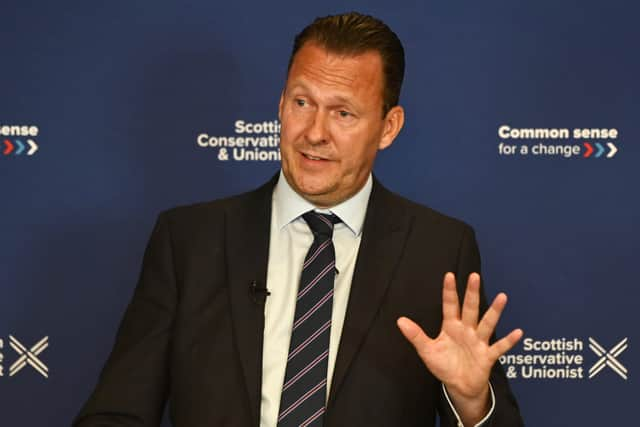
“If this was voluntary, then perhaps there might be an argument for it. But it's the mandatory nature of it that sends a chill down my spine.”
The Scottish Government published plans for a voluntary digital ID system back in 2021.
First Minister John Swinney said: “I am opposed to mandatory digital ID – people should be able to go about their daily lives without such infringements.”
Comments
Want to join the conversation? Please or to comment on this article.