
Why Edinburgh's Lost Shore Surf Resort is so special for Scotland
The Lost Shore surfing resort and nearby Ratho climbing centre have created an extreme sport village of global significance, that can be used to attract tourist and help left-behind young people find themselves
When I first started out in the youth work sector, over 20 years ago, I had a great boss. Our charity offered outdoor activities to excluded young people from inner cities. These sessions were so valuable, offering them a break and a chance to learn new skills like teamwork and communication.
Living the ethos of the organisation, my boss insisted we conduct our monthly one-to-one sessions, surfing off East Lothian. So that’s where I started.
Since then, I’ve tried to surf every year off Dunbar these past two decades, and whenever we’re on holiday by a sea where conditions allow, but I’m lucky if I manage to get out on my board twice a year. So, the opening of the new Lost Shore artificial surf centre at Ratho towards the end of last year is something I’ve been ridiculously excited about and I went recently for the first time.
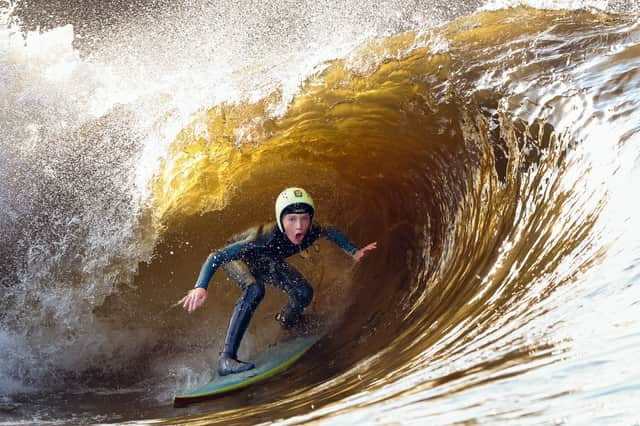
The lagoon offers a range of wave heights to suit all skill levels and I was booked in for the charitably titled ‘Cruiser’ session (the others being called ‘Manoeuvres’ and ‘Barrels’). This is effectively the nursery slope session for those who can hold their own getting up on a board and no more.

Catch the wave or wipeout
My normal speed of surfing is to get out into the swell, catch my breath, wait a few minutes for the right wave and ride into the beech. Rinse and repeat. Lost Shore is entirely different. It’s relentless and if you're out of practice like I was, extremely tiring.
You’re in a line up so after paddling to the apex of the lagoon, it’s very quickly your turn and whether you catch the wave or you wipeout and get dragged into shore, you’ve got to paddle back to the apex again or miss your turn.
All told, I successfully caught and rode two waves and spent the rest of the time getting dunked and paddling. I’ve never been so tired, but I loved it. I’ve booked four more sessions for the weeks to come and have started swim training again to improve my paddling.
Scotland desperately needs facilities like Lost Shore. With manufacturing and export no longer what they were, we must increasingly turn to our tourism offer. The surf centre is recognised as the biggest artificial surf lagoon in the whole of Europe.
Youth work budget cuts
With its proximity to the international climbing centre just a few yards away, we now have a global extreme sport village on the doorstep of our nation’s capital. This is something to celebrate, to promote and to utilise as an asset to engage young Scots.
Both the government and the city council must now recognise the opportunity this represents to youth work as a facility through which we can reconnect with those young people who would otherwise be left behind.
For years we have seen the erosion of access to youth work across Scotland. It’s a budget line that ministers and councillors have raided repeatedly. But by investing in this, whether it’s detached youth work on our streets or sessional opportunities at places like Lost Shore, we can give young people a stake in themselves and the communities around them once again.
Alex Cole-Hamilton is Scottish Liberal Democrat MSP for Edinburgh Western
Comments
Want to join the conversation? Please or to comment on this article.