
How Donald Trump's war on Iran has helped SNP and Labour realise we need North Sea oil
Labour’s decisions over oil and gas could be the difference between second place at the Scottish Parliament elections or third behind Reform UK

Unusually in Scotland, I try to see the positive side of Donald Trump. The investment in his Scottish golf courses, respect for the Monarchy, taking on the political correctness which so infects our own politics. Um, I’m beginning to struggle.
But every cloud, as they say, and out of the darkest of weather fronts blowing across Europe from the Iran War comes the silver lining of growing acceptance within both the SNP and Labour that maybe it’s not such a bad thing to exploit the reserves of oil and gas beneath the North Sea.
Admittedly, it would have been preferable if First Minister John Swinney had worked out that producing your own oil and gas is better than just importing it from abroad without Iranian drones smashing into tankers in the Strait of Hormuz, or their missiles pounding the Gulf states, but we are, as they say, where we are.
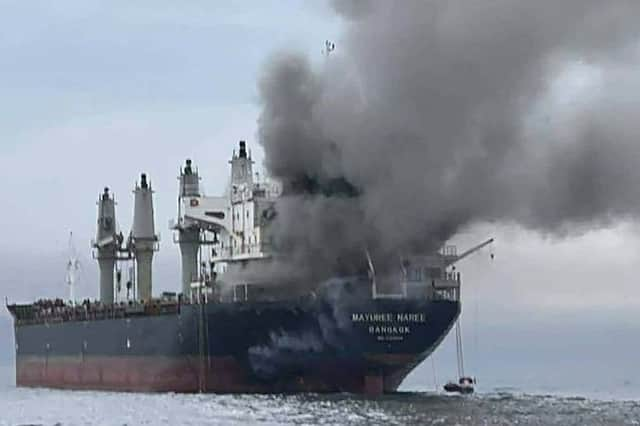

Aberdeen a key election battleground
Begrudging his conversion may be, with the caveat that the carbon footprint of extracting fossil fuels from the Rosebank and Jackdaw fields has to be less than importing them, but it’s welcome nonetheless. The reality, as I’m sure Mr Swinney knows, of trading amongst producers and the reduction of the UK’s refining capacity means that most of “oor oil” crosses the North Sea as crude and comes back as petrol, diesel and jet fuel, and the argument about carbon intensity applies whether there is conflagration around the Arabian peninsula or not.
There is unlikely to be any dissent within senior SNP ranks, and not just because the election campaign is underway and Aberdeen is a key battleground, but another wonderful by-product is that while Mr Swinney drives his petrol motor along the road to Damascus, any chances of a post-election deal with the Greens have significantly diminished, if they were ever on the cards at all. Once bitten, and all that.
With yet another poll putting the SNP way out in front − this week’s Survation/Diffley poll predicts the SNP will win 62 seats − Mr Swinney is virtually guaranteed to be back in charge, and I’m surprised the bookies are still taking bets. You can get 1-33 on the SNP being the party with most seats with Ladbrokes this week if you have money to burn, so remarks on energy policy made on a podcast aren’t going to make much difference to the result, but it does mean that the direction he sets in the campaign should be the framework for the strategy for the next five years. What he says on the stump matters as much as what’s in the SNP manifesto.
Chancellor’s intervention is significant
But the gauntlet on North Sea energy thrown down by Chancellor Rachel Reeves on Wednesday to her own government is of greater significance. It’s no surprise a Chancellor would welcome the increase in tax revenues which would flow along with the fuel, but the enthusiasm with which she did so was marked.
The North Sea would, “play an important role in our energy mix for years to come, and we’re very lucky to have that resource”, she said. “If we’re going to get ourselves off of this rollercoaster of gas and oil prices, of course, we want to move to something that we have control over.”
It won’t have been an accident, and her declaration that supporting extraction from the two fields would have a positive impact on jobs puts the Prime Minister in the awkward position of being forced to choose which of the two diametrically opposed positions he backs; is it his pro jobs and revenue Chancellor or the zealously ideological rejection of North Sea oil and gas at any cost by his Net Zero Secretary Ed Miliband.
There is no escaping the basic fact that Britain can either be a trader or just a customer, the latter with significantly less tax benefit, and maybe it will come down to a numbers game in Cabinet, or the now customary temperature check amongst Labour backbenchers. But as the crucial English council elections approach, Labour faces another dilemma in weighing up challenges from the anti-capitalist Greens in places like Greater London and pro-fossil fuel Reform in the Red Wall regions of northern England, and it is the same here.
Starmer to undermine Sarwar?
Having insisted on a “balanced approach” to the North Sea back in November, and repeated his support for extraction this week, the position could not be clearer for Scottish Labour leader Anas Sarwar. Any failure by Sir Keir Starmer to support the Chancellor undermines Mr Sarwar and the Scottish party as the challenge it faces stubbornly refuses to diminish.
The Diffley poll predicts Reform will pip Scottish Labour into second place – by 19 seats to 18 – which will be more likely if Mr Miliband maintains the ban on new exploration in British waters which, according to a report by financial giant EY last year, will help make Aberdeen the worst performing city in the UK with growth forecast to be under one per cent until 2028.
Reports yesterday suggest Mr Miliband might approve Jackdaw after the election but not Rosebank, and having carried the day by persuading the Cabinet to prevent British bases from assisting the US aerial assault on Iran, the Greens’ Gorton & Denton by-election victory is likely to spook a majority of ministers to back him on fossil fuels, despite the costly reality.
That only helps Malcolm Offord’s Reform after a horrendous start to the campaign, with a string of candidate removals and resignations, as well the furore over his awful rugby club gag and refusal to apologise in an ill-advised performance at The Scotsman’s election hustings.
If Mr Offord needed to stop digging, at long last the message to the oil industry is it should start again.
Comments
Want to join the conversation? Please or to comment on this article.