
A century on, why Sylvia Pankhurst's fight for women's rights is very much not over – Christine Jardine
Universal suffrage was achieved long ago but misogyny, ignorance of women’s health issues, the gender pay gap and many other problems still blight our society today


Last week was bookmarked for me by two very different, but very feminist, experiences which I hope the non-believers reading this will appreciate. My week began at the Women of The Year lunch to which I had been invited as a nominee.
It was daunting to be sharing the room with such luminaries as Gisele Pelicot, Celia Imrie and Prue Leith as well as countless inspiring women from all walks of life.
But the highlight of the event was undoubtedly the presentation of the Woman of Courage Award to Pelicot who, since the horror of her story of was revealed, has become a global beacon of hope. Her courage and frankness in discussing how she has coped with learning what her husband had done to her is astonishing. It reminded us that abuse is happening all the time, often in small ways that we may not even initially recognise.
READ MORE: Gisèle Pelicot's bravery must inspire Scotland to tackle shockingly low rape conviction rate
Age-old fight for women’s rights
The theme continued with a visit to Sky Sports with the Women and Equalities Committee to see how they are addressing the challenge of achieving gender balance in sports broadcasting.
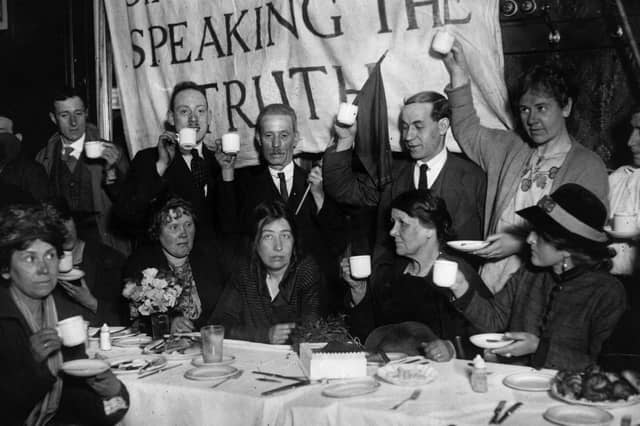
Then, in an experience that seemed especially appropriate, I was the guest of Sylvia Pankhurst’s granddaughter at a performance of Sylvia: The Musical, at Edinburgh’s Festival Theatre. Somehow the tale of the Pankhurst family’s fight not just for women’s suffrage but for equalities in general seemed to relate not just to the past century but to what we face today.
We may have universal suffrage, equality in the workplace (almost) and have now had three female Prime Ministers. Yet there are still so many women suffering at the hands of misogyny in different areas of their lives like the ignorance of women’s health issues and neglect of medical training about them, the gender pay gap, and lack of awareness of issues like women needing different sports gear or work uniform.
These are just the tip of an iceberg of challenges that modern women face every day and the only way to tackle them is through political and societal change. Exactly as the Pankhurst and others like Millicent Fawcett demonstrated more than a century ago.
While they believed that the key was the franchise, for modern women it will be changing the balance of power, especially in parliament.
Record proportion of female MPs
My host at Sylvia: The Musical was Helen Pankhurst, granddaughter of the eponymous heroine of the piece, who works tirelessly with female MPs and women in every sphere of politics to tackle the modern version of the injustice her grandmother overcame.
The charity she heads, Centenary Action, is one of those at the forefront of the campaign to make our parliament more diverse and representative. Together with others such as the Fawcett Society, 50:50 Parliament, and Ask Her to Stand, they have driven change that has achieved a record 40 per cent female representation in the UK Parliament.
The next step is the establishment of a women’s caucus. The cross-party working group on which I am the Lib Dem representative is close to achieving this aim.
In two years, it will be the centenary of securing the vote for all women over 21. Perhaps by then we will have made the progress of which the suffragettes dreamed.
Christine Jardine is the Scottish Liberal Democrat MP for Edinburgh West
Comments
Want to join the conversation? Please or to comment on this article.