
NHS Grampian scandal: Surgeon - ‘Lives could have been saved if my concerns were acted upon’
The former consultant surgeon raised concerns about patient care in 2014 - but was met with ‘apparent inaction’ and a ‘whitewash’ report


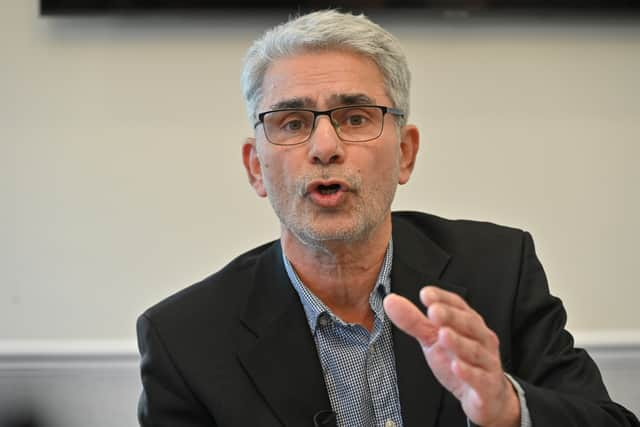
Last Thursday, Professor Zygmunt Krukowski received a phone call. The news, he says, left him ‘astonished’
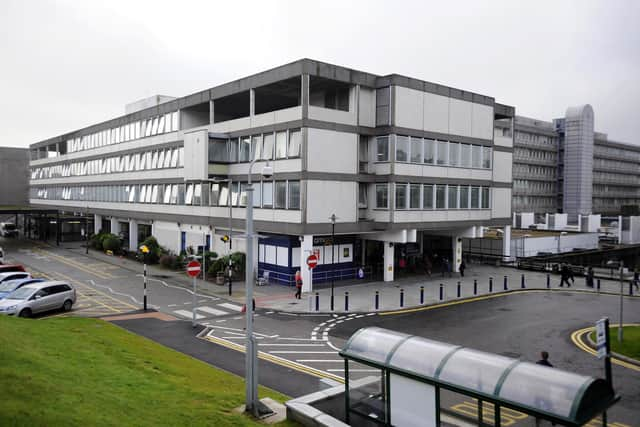
Some 12 years after the consultant surgeon raised concerns about patient care and surgical standards at Aberdeen Royal Infirmary, the long-running issues had been forced into the public eye by Dr Mohammed Habib, a former colleague, who leaked a then secret report into 19 avoidable deaths in Hepato-pancreato-biliary (HPB) surgery at the hospital between 2015 and 2021.
The review mirrored the concerns raised back 2014 by Prof Krukowski, a former surgeon to Elizabeth II and professor of clinical surgery at Aberdeen University.
Then, he raised 20 cases of patient death and serious concern, but was met with “apparent inaction” by local managers and a report by the Royal College of Surgeons of England, which considered 16 cases as part of wider review, which the former consultant described a “whitewash”.
Prof Krukowski said: “If my concerns had been acted upon appropriately and the poor care turned around then it is very likely there would have been fewer avoidable deaths.”
He added it had been “distressing “to witness the reputation of the hospital where he worked for more than 40 years “damaged by inept management, ineffectual clinical quality assurance and clinical governance”.
READ MORE : NHS Grampian scandal - Bombshell report reveals ‘aggressive’ surgery decisions and ‘rushed’ operations
Prof Krukowski first raised the alarm with local managers after a national audit of HPB surgical cases found that 10 percent of patients who underwent a pancreatectomy at Aberdeen Royal Infirmary died within 30 days of surgery. The Scottish accepted rate at the time was 3.5 per cent.
Back in 2014, the whistle blown on patient care by Prof Krukowski was not sufficiently heard. Among the cases he raised was one of an HPB surgeon operating outwith his area of expertise, resulting in a patient’s death.
Prof Krukowski is due to give evidence at the Holyrood’s health committee on Wednesday, where more details of surgery, practice and decision making will likely be made public.
It was back in 2010 that complication rates and mortality increased at ARI following the appointment of general surgeons with an interest in HPB cases, Prok Krukowski said in a written statement lodged with parliament ahead of Wednesday’s hearing.
READ MORE: Sign up to our Black Friday subscription deal and get a whole year of the best stories for just £12
He said attempts to intervene and “salvage” patients generated complaints of ‘"disrespect" and that offers of assistance to address issues were rebuffed, he added.
Prof Krukowski pointed to the surgeon’s maxim of ‘young surgeons kill patients and old surgeons let them die’, which reflects to a cynical extreme the view that less experienced surgeons are eager to operate while more experienced hands recognise when a major operation will cause further suffering without extending life. It is also said that the best surgeon knows when not to operate at all.
Poor patient selection was highlighted in the 2022 Wigmore report, which noted on liver cases at ARI: “Decision making was overly aggressive on occasions and did not appear to take the context of the patient, their comorbidity and their disease into account.”
Prof Krukowski said: “You need supervision of young people by wiser heads.
“If there is a degree of hubris present, they cannot be told anything, they think they are fully trained to do what they want. There was a considerable element of that present.”
READ MORE: NHS Grampian scandal - Calls for ‘every SNP health secretary’ to be forced to answer questions
In 2014, Prof Krukowski’s concerns were raised with Dr Andrew Russell, then NHS Tayside’s clinical director who was seconded to NHS Grampian.
The surgeon, in a statement lodged with parliament, said that an internal report then carried out by the clinical lead for general surgery, “confirmed issues with patient selection and poor care” - but the report was not shared with the general surgeons.
“This failure of the commitment to candour and transparency constantly espoused at all levels of management and government is a recurring theme over the next decade,” Prof Krukowski added.
The deaths and cases of concern raised in 2014 were then considered by the Royal College of Surgeons of England as part of a broader review into workplace culture and behaviours in the surgical department at ARI.
The review ultimately led to Prof Krukowski's suspension and resignation from his Aberdeen Royal Infirmary post in 2016. That year, the GMC cleared him and seven senior colleagues of any wrongdoing.
He won his case of constructive unfair dismissal against NHS Grampian in 2019.
The report of the Royal College of Surgeons of England has never been made public, with the organisation saying it is now the property of NHS Grampian.
Prof Krukowski claimed the report broadly dismissed the cases raised, partly given that patients died after surgery which fully informed consent had been given, and that there was “no cause for concern”.
He added: “What they assumed was that because they were told they were given fully informed consent, that was accurate.
“I have a written statement from a patient’s brother who was with him when they were told that the risk of dying was 2% - or one in 50 - when it was actually nearer 12 per cent or one in eight. They gave consent after being misled about the risk.
“They told me, had they known the risk, they would not have gone ahead.”
Prof Krukowski added: “The report made a number of comments about extreme bleeding, but they said that can happen.”
“They also remarked, with very little criticism, about experimental surgery and carrying out surgery for which they had never been trained.”
“They said that, but they didn’t comment on it.
“They identified concerns, but they whitewashed them.”
A spokesperson for the Royal College of Surgeons of England (RCS England), said:“ The review was commissioned to review potential concerns relating to team working and individual behaviours and to advise whether these concerns were affecting the quality of clinical outcomes.
“The invited review team interviewed 80 individuals and examined more than 250 documents provided by the Health Board during the review.
“The invited service review report was issued to the Health Board in November 2014. Recommendations were made for the Health Board to aimed at ensuring patient safety, strengthening the service, and supporting its ongoing development.
“Following updates from the Health Board on the actions taken in response to the recommendations, as well as being clear that Health Improvement Scotland and the GMC were taking forward their own separate work, the College formally concluded its active involvement in the review in 2015.”
For Prof Krukowski, one of the key failings has been in the collection of clinical data and the system which held it. Things were going wrong in surgery, but details weren’t being recorded properly, flagged up or acted upon.
He said: “Concerns were repeatedly raised with line managers and assurances given that a new quality assurance system would address these issues.”
A management incident reporting system proved inadequate due to non-compliance, analytical failures, downgrading of concerns and inaction, he claimed.
Professor Krukowski said that a system introduced in 2014 to track patient deaths and provide quality assurance had “manifestly proved illusory”.
Ultimately, the system had failed to identify or act upon the avoidable deaths contained within the Wigmore Report. Meanwhile, families of patients continue to process the news that the deaths of their loved ones may need not have happened at all.
Comments
Want to join the conversation? Please or to comment on this article.