


Humans and cats have a close relationship that’s thought to date back over 10,000 years, when the domesticated felines first evolved from African wildcats.
They have long been the world’s second most popular household pet, just behind dogs when it comes to the animals we welcome into our homes and hearts.
It means that there are a staggering number of pet cats out there - in the UK alone there are more than 10 million feline friends living side-by-side with us.
There are a huge range of types of cat to choose from, with The International Cat Association recognising 73 ‘standardised breeds’.
Then there a bewildering number of crosses, alongside the trusty Moggy - an indistinct mix of cat that is the most popular type.
One thing to bear in mind before you take the plunge into the world of cat ownership is that some cats thrive on human company and don’t particularly like being left alone.
Their desperation to stick to their owners at all times has earned them the nickname of ‘velcro cats’ - never happier than when following you around or being curled up on your lap.
Meanwhile, other breeds are far more independent, even demanding a little alone time to stay healthy and happy.
So, if you intend to leave your cat alone for long periods, it’s maybe best avoiding the former varieties.
Here are the 10 stickiest.
Make sure you don't miss a moment of breaking news from across Scotland by signing up to our free newsletter here.
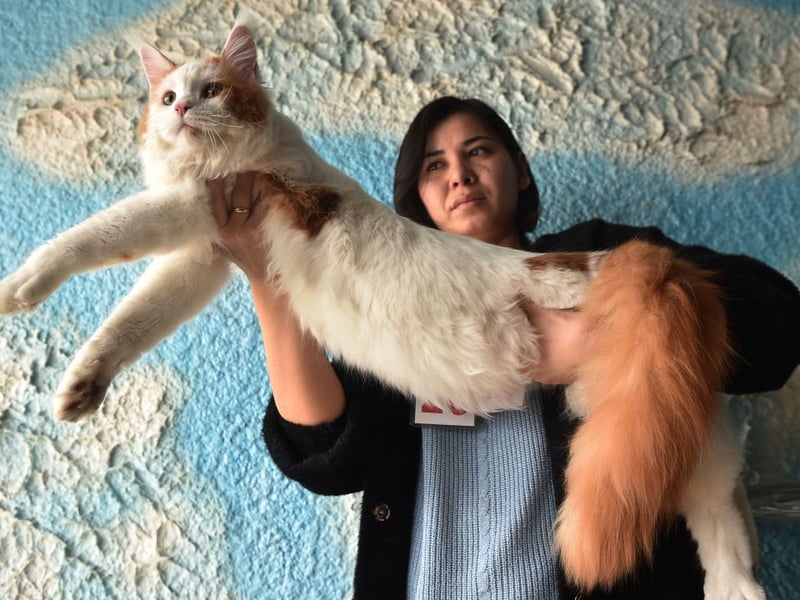
9. Maine Coon
The massive Maine Coon may be too big to fit on your lap - but that doesn't mean they won't try. These are velcro cats who are less demanding though, happy just to be around you rather than demanding constant attention. | AFP via Getty Images
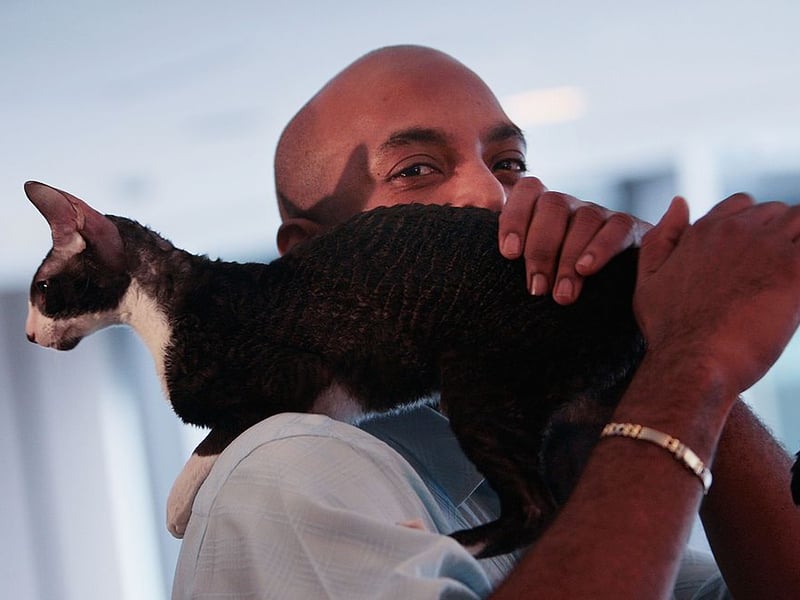
10. Cornish Rex
If your breed of cat has the word 'Rex' in its name then it's one of the kings of the velcro cats. The Cornish Rex is another case in point, padding around after you then swiftly hopping on top of you the moment you sit down. | Getty Images