


Edinburgh’s Royal Botanic Garden was founded in 1670, making it the second oldest botanic garden of its type in the world after the one in Oxford.
The garden was originally located at St Anne’s Yard, near Holyrood Palace, and initially comprised a collection of plants donated by Sir Patrick Murray, 2nd Lord Elibank, which was transported from his home at Livingston Peel after his death.
The garden at St Anne’s Yard, created by Dr Robert Sibbald and Dr Andrew Balfour, soon proved too small for the rapidly-expanding collection and in 1676 was moved to a larger site east of the Nor Loch, to the south of the High Street.
Another move followed in 1763, when the garden's was transferred to a five acre ‘Physick Garden’ to the west of Leith Walk, now called Hopetoun Crescent Gardens.
A cottage from the Leith Walk site remained standing until 2016 when it was moved brick by brick to the current gardens.
The modern gardens were created in the early 1820s, under the direction of the Curator William McNab, and the Temperate Palm House, the tallest in Scotland, was added in 1858.
It is home to a 200-year-old tree that was moved from the Leith site, one of numerous important plants to have graced the Botanics borders, including the first rhubarb to be grown in the UK.
Read more:
Edinburgh Old Town Heritage in Pictures: Here are 28 fascinating photos of the city's historic centre in the 1950s and 1960s - from parades to pubs
In 1877, Inverleith House was purchased from the estate of Cosmo Innes and added to the existing gardens, becoming the home of the Scottish National Gallery of Modern Art from 1960-1984.
The gardens now cover around 70 acres and are home to more than 13,000 living plant species, along with over three million preserved plant specimens in the herbarium.
The gardens actually encompass four sites – including at Dawyck, Logan and Benmore – but Edinburgh is by far the largest and most important, combining crucial scientific work with a popular tourist attraction.
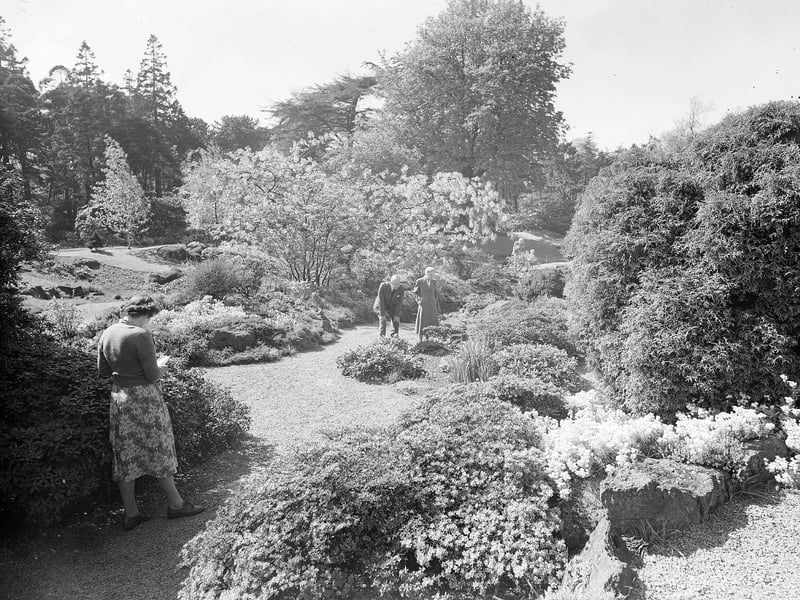
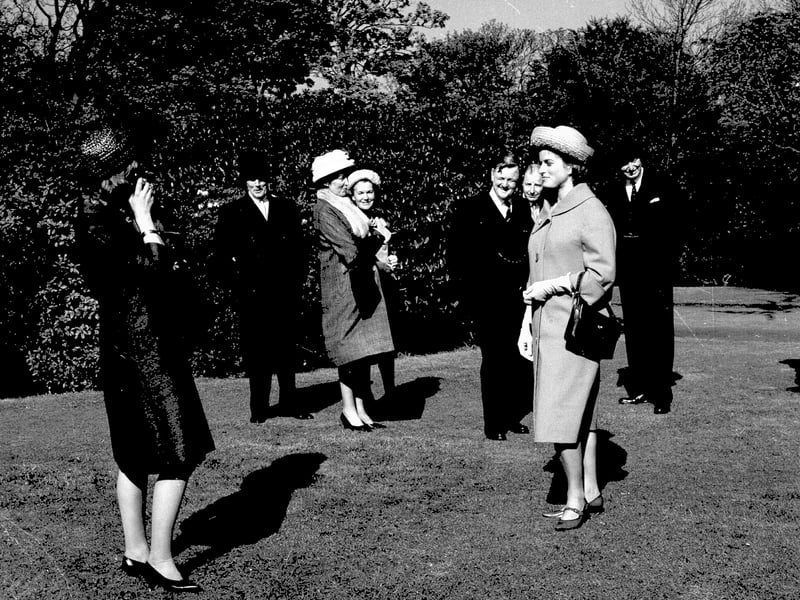
Here are 24 pictures to take you back to the Botanics of the 1950s and 1960s.
Make sure you don't miss a moment of breaking news from across Scotland by signing up to our free newsletter here.
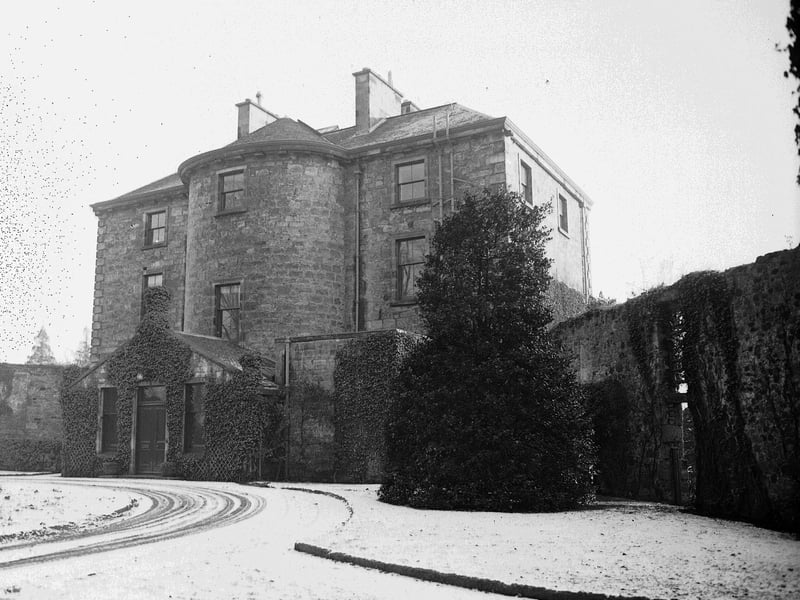
1. Grand house
A picture of Inverleith House in the Royal Botanical Gardens in April 1960. | TSPL
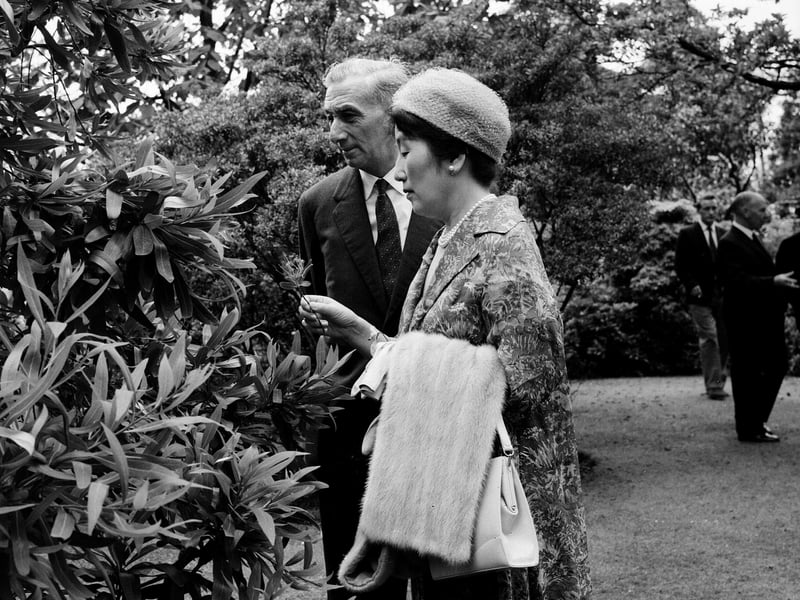
4. Dressed to impress
The Earl & Countess of Mansfield at the Botanic Gardens in October 1962. | TSPL