
Venison added to Scottish west coast peninsula primary school lunch menu



The school is the latest in a stream of schools adopting the locally sourced meat for pupils to eat in the last two years.
Scottish venison has been added to a local primary school in a first move for one of Scotland’s west coast communities.
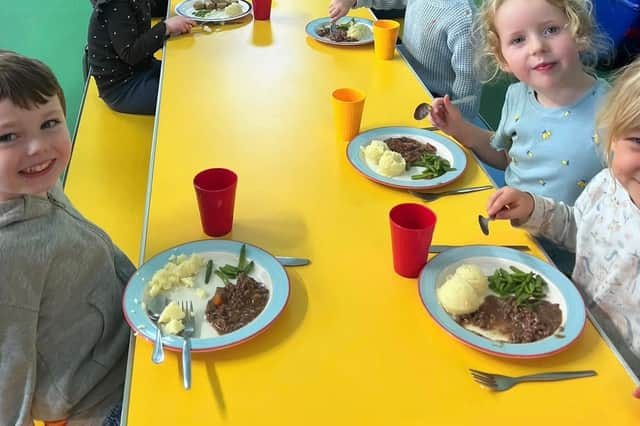
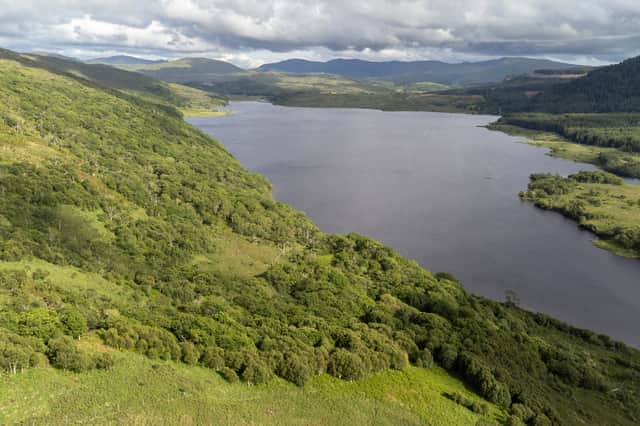
The local meat has become an option on the menu for Lochaline Primary School on the Morvern peninsula. The venison is sourced from Ardtornish Estate following an agreement between Highland Council and Ardtornish, brought about by nature restoration partnership, Loch Abar Mòr.
“It’s been fantastic to include greater variety to the lunch menus with the addition of such a healthy, local product from Ardtornish, and the uptake has been great – the children are really enjoying the venison,” said headteacher Andrew Kent.
“We hope to build on the venison lunches with some learning around deer management for nature recovery, helping the children understand more about the landscape around them, where their food comes from and how responsible land management can benefit nature and the wider environment.”
The school is the latest in a stream of schools adopting the locally sourced meat for pupils to eat in the last two years.
In a UK first in 2025, Argyll and Bute council introduced local wild venison to school menus on the Inner Hebridean islands of Islay and Jura.
The initiative was launched by the council and local venison business Wild Jura using wild venison from the island’s Ardlussa, Barnhill, Tarbert and Ruantallain estates. The project won the ‘Best Sustainability Project in the UK at the Public Sector Catering Awards 2025.
Following closely behind, the Cairngorms National Park announced a new partnership with two Scottish farmers to donate wild venison to local communities.
Fair Feast operates out of Knockbarry Farm near Pitlochry working alongside Glenkilrie Farm as part of a partnership to supply culled wild red deer into cuts and prepared products, such as mince, sausages, burgers, and meatballs and donates significant portions to local schools and community kitchens in the area.
The shift in food on the school menu comes at a time when Scotland is working to reduce deer numbers across the country as part of a wider conservation effort.
While the exact number of deer is unknown, nation-wide efforts are ongoing to reduce the population of the animal, of which there are four different species: red deer, roe deer, sika and fallow, the latter two being non-native.
Conservationists said overgrazing in areas where there are high deer numbers has threatened some habitats. NatureScot has warned rising deer populations in Scotland’s urban and peri-urban areas—particularly rose deer in the Central Belt, East Kilbride, and around Glasgow—are creating issues between wildlife and communities.
“Venison is a healthy and environmentally sustainable source of meat – as well as being a vital part of Scotland’s deer management story, and central to our drive to tackle the biodiversity and climate crises,” said Dee Baum, of Loch Abar Mór.
“But it remains a niche choice of meat, so we’re keen to connect people – however we can – with the deer management around them, to help them see it not as a problem, but as a resource. Facilitating this agreement between Highland Council, Lochaline Primary and Ardtornish was a great way to do just that – and where better to start than with the next generation?”
Comments
Want to join the conversation? Please or to comment on this article.