
Why tasting menus are disappearing from Scotland's restaurants as a la carte makes a comeback
They’ve been the plat du jour for a while now, but some chefs are heading back to basics and moving away from the multiple-course tasting menu
Sharing plates, small plates, tasting menus, total trust menus, pre-theatre - there’s been a multitude of ways to eat your dinner in restaurants in recent years, with the tasting menu becoming steadily more popular.
This multiple-course option, often served with wine pairings, made the jump from high end fine dining to the every day in recent years. The popularity has been driven by restaurants such as Six by Nico, which serves a six-course, changing themed menu for an affordable price.
These menus also tend to move with the seasons, according to Fallachan chef Craig Grozier. The simple a la carte menu, where diners can pick two or three courses, seemed to be off the menu, but now it is making a comeback.
In August, Edinburgh restaurant Fhior announced the introduction of an a la carte menu, starting from this Thursday, while earlier this year The Gannet in Glasgow did the same thing.
Speaking at the time, chef patron Peter McKenna said: “What I want is a comprehensive, a la carte menu individually priced, so somebody can come in and they can have a bowl of wild garlic soup with Maryhill cultivated mushrooms or a rack of hogget or a whole lobster.
“The Gannet has always been a neighbourhood restaurant and I want to reassert that.”
Fhior’s chef patron Scott Smith explained his move to a la carte, saying: “When we opened the restaurant in 2018, we did so with the intention of offering a fresh narrative into our country’s culinary landscape. In order to meet the needs of our guests and to continue this progressive approach to dining, we’re evolving in a way that will allow our guests to enjoy our fine food and warm hospitality, but with a more casual approach.”
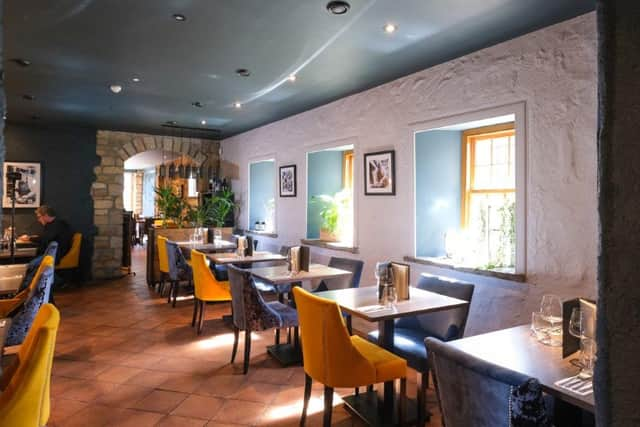

Fife restaurateurs Bryan and Jack Coghill, father and son owners of Jack ‘O’Bryan’s in Dunfermline, have found economic conditions may be causing a return to a la carte.
They said: “What we are finding at Jack ‘O’Bryan’s is that there is definitely a shift back to la carte, which can be leisurely, social or a very romantic meal for two, for example, not to be rushed. Again, due to the economic situation, clients still want to come out for a meal. However, they are looking for a more personal and intimate dining experience.”
While some are moving away from tasting menus, other chefs think the multiple-course option is here to stay, but there has also been a shift towards more casual dining.
Chef Dean Banks said: “Tasting menus have become very popular in recent years, as customers are looking for an experience when they go out to eat. I don't feel there has been a huge shift away, as we still offer tasting menus. We have just offered more variety – some customers might not have the money to spend so much on one evening, so we want to have more of an offering to cover more bases with our guests.
“We have noticed across the restaurant group, our casual dining spots are busier and there is a trend towards last-minute bookings and more of a relaxed dining experience. My predictions are that dining trends will continue towards casual dining.”
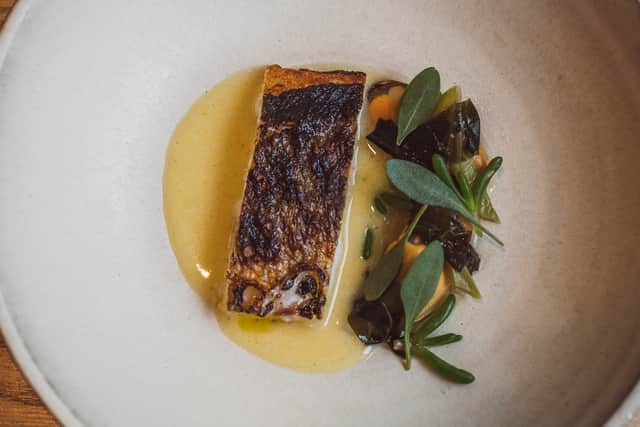
Casual dining and supper clubs go hand in hand, which is why these relaxed, one-off events appear to be on the rise again after becoming popular in London.
Chef Julie Lin’s Glasgow restaurant Gaga is hosting its first supper club this month - Last of the Summer Wine - with Castillo de Ibiza rose wine. On why supper clubs are back on the menu, Ms Lin said: “You get a one-off experience that you wouldn't normally get, which makes it fun for the chef that's doing it, as well as for the customers.
“It's something new just for one night. Supper clubs are also giving chefs that are coming into the industry a wee bit of a chance to show off what they do on a smaller budget, rather than opening up a restaurant or cafe.”
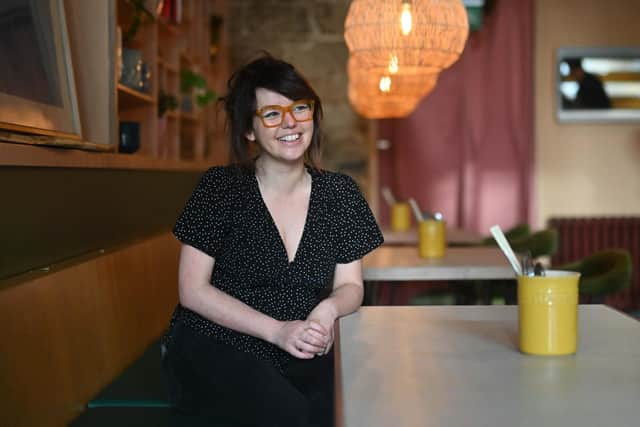
One recent success story is Tumshie supper club, set up and run by Glasgow chefs Marc Johnston and Jonathan Mackle, which is a sell-out success getting rave reviews.
A destination restaurant with rooms, which serves a tasting menu only, is Killiecrankie House. Owners Tom and Matilda Tsappis found their love of cooking at their small supper club in London. They moved to Scotland and bought and transformed the grand Perthshire house, which reopened in 2021.
Mr Tsappis said he thinks that a good tasting menu is the epitome of fine dining, saying: “In my mind, a tasting menu is still the highest form of dining experience. It should be a distillation of the chef’s creativity, imagination and skill translated into an array of flavoured-packed dishes that take you on a journey.
“The best ones I have tasted have had a point of view and tend to be inherently personal to the chef. When it’s done well, a tasting menu is nothing short of mind-blowing.”
Mr Tsappis said the popularity of TV shows drive customers towards experiential dining. He said: “Shows like Great British Menu and Chef’s Table have gotten people excited about what is possible with food, and people are looking to sample those kinds of experiences themselves.”
Location also plays a key role, with Aberdeen-based chef Kevin Dalgleish adding a permanent tasting menu to his Amuse restaurant due to demand and “because there aren’t really any other places offering a tasting menu in Aberdeen”.
It indicates that while a la carte is making a concerted comeback, multi-course dining may not be off the menu altogether just yet.
Comments
Want to join the conversation? Please or to comment on this article.