44 pictures showing Scotland's lost and forgotten football grounds
By Patrick McPartlin
Published 14th Mar 2019, 11:55 BST
Updated 14th Mar 2019, 13:07 BST
A look at 13 lost Scottish football grounds, from Annfield to Shawfield, told through archive pictures
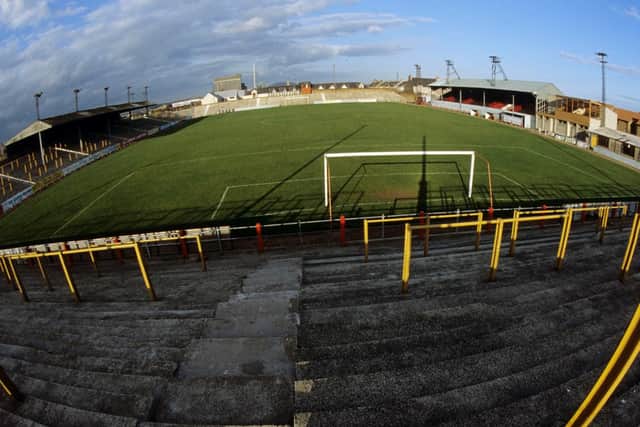
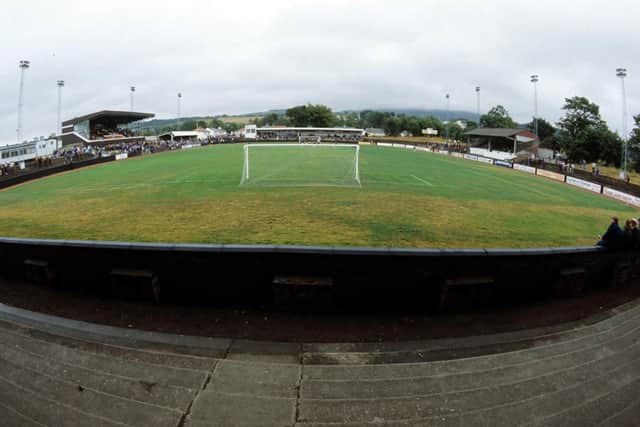
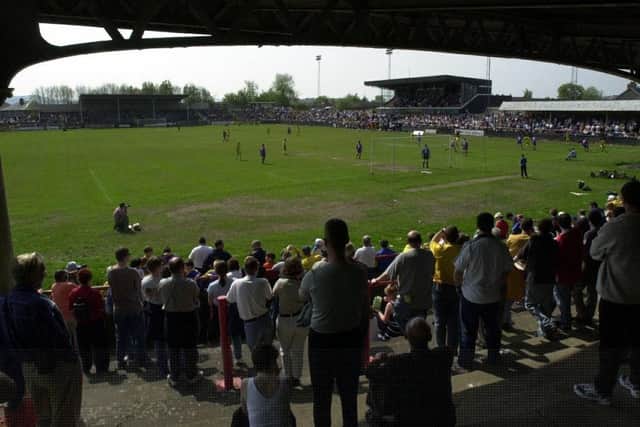
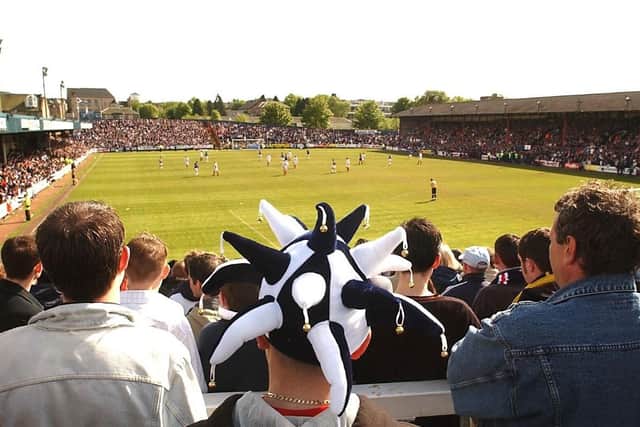
Some have been replaced by housing developments, others by supermarkets - but some linger on, reclaimed by nature or left to the elements. Crumbling terraces, rusting barriers or a solitary turnstile are all that remain in some cases. From Rutherglen to Falkirk via Edinburgh and Hamilton, here are 13 of Scotland's lost football stadiums
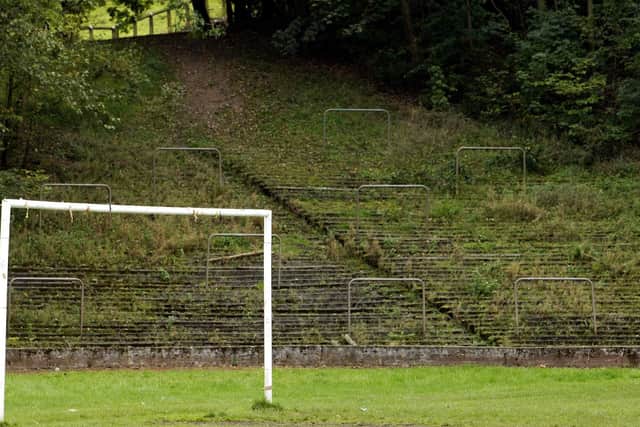
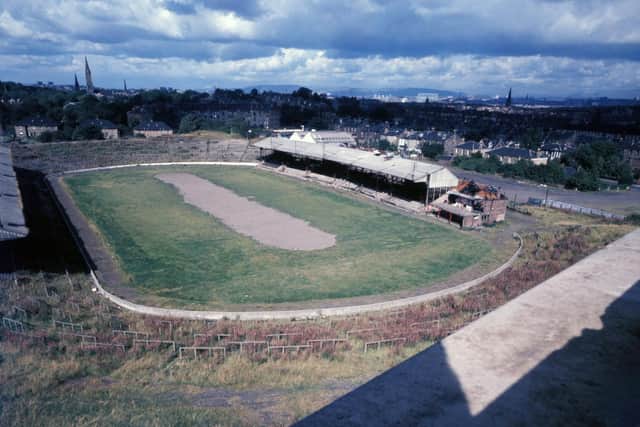
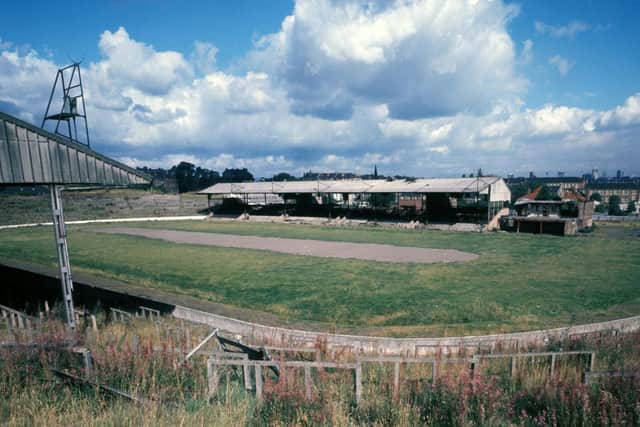
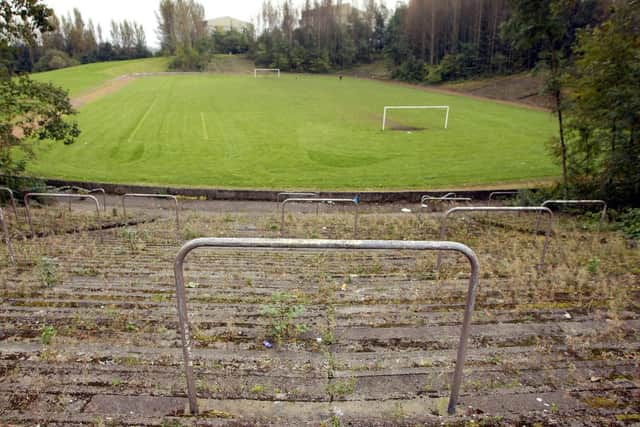
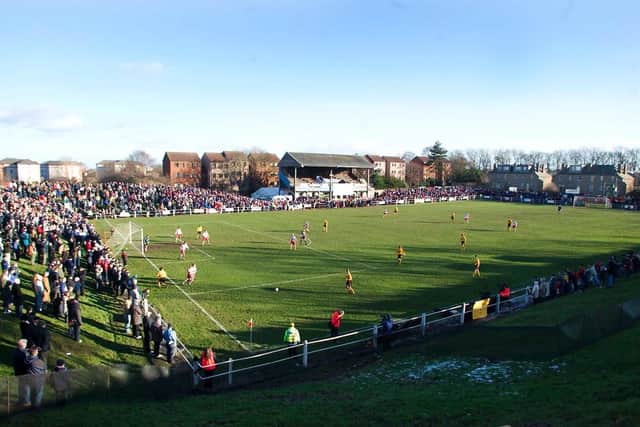
Terracing and barriers are still visible at Cathkin Park, former home of Third Lanark
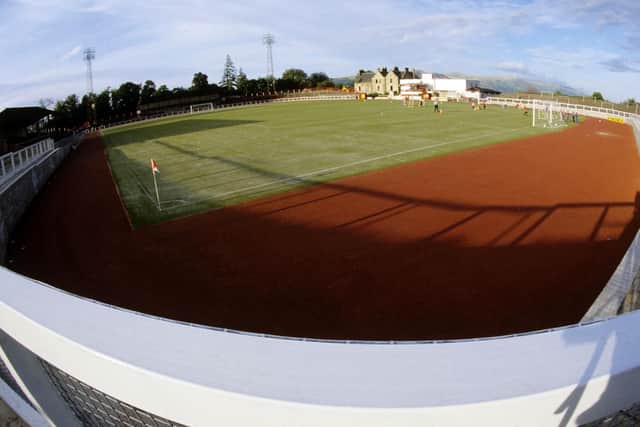
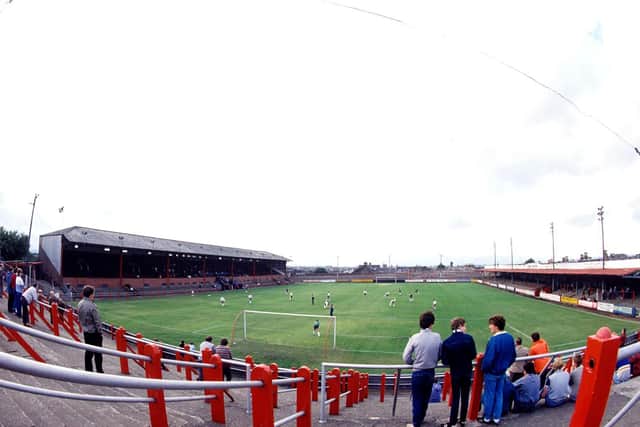
Home of the Binos from 1946-1993. Sold to, and rented from the Council in the early 80s. Demolished for housing in 1993 as Stirling moved to Forthbank
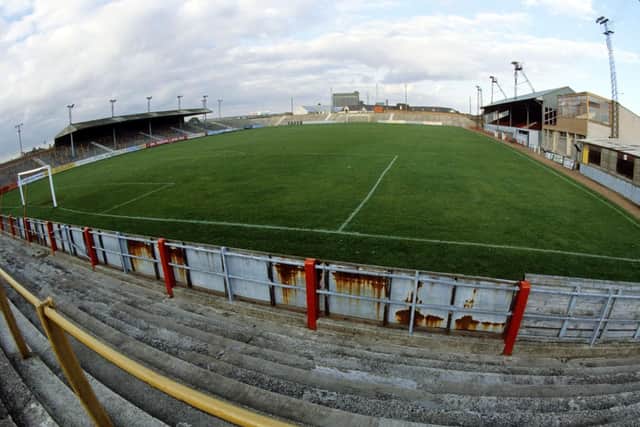
Bayview was home to East Fife from their formation in 1903 until 1998
The ground's record attendance of 22,515 came against Raith Rovers in 1948 - ten years after the Fifers' Scottish Cup win
The 1970s saw the fortunes of the club and the stadium decline. The ground was sold to developers and is now a housing estate
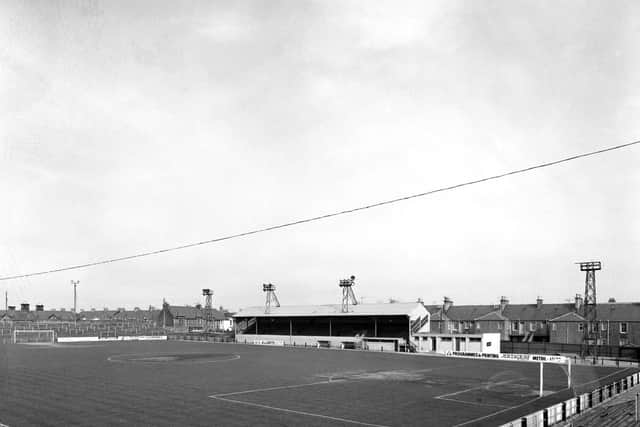
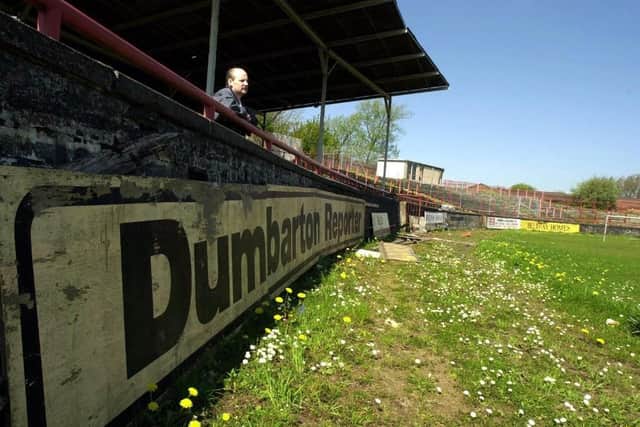
Dumbarton had played there since 1879, sharing the first Scottish League Championship with Rangers before becoming outright champions the next season
When it closed in 2000, Boghead was the oldest stadium in Scotland in continuous use.
A record crowd of 18,001 took in a Scottish Cup tie against Raith Rovers in 1957 but the ground had fallen into disrepair by the time Dumbarton moved in 2000
Boghead appeared in the film A Shot At Glory as the home of fictional Kilnockie FC. Somewhat ironically, the film crew had to make improvements to the ground for filming
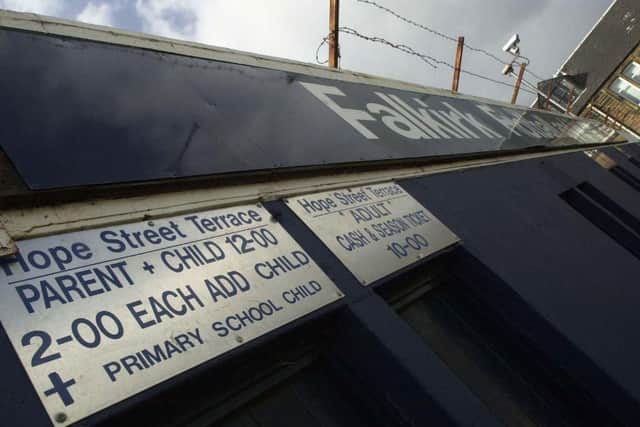
The antiquated Brockville, home of Falkirk from 1885-2003, cost the club a number of promotions to the top flight due to facilities not meeting league requirements
Brockville was demolished in 2003, having remained largely unchanged for years. The site was sold to supermarket chain Morrisons; an old Brockville turnstile can be seen outside the supermarket
The terraced stands were one of the main reasons for Falkirk's repeated failure to win promotion to the top flight
Falkirk moved to a new purpose-built stadium in the Westfield area of the town, with the final match at Brockville a 3-2 defeat to Inverness Caledonian Thistle
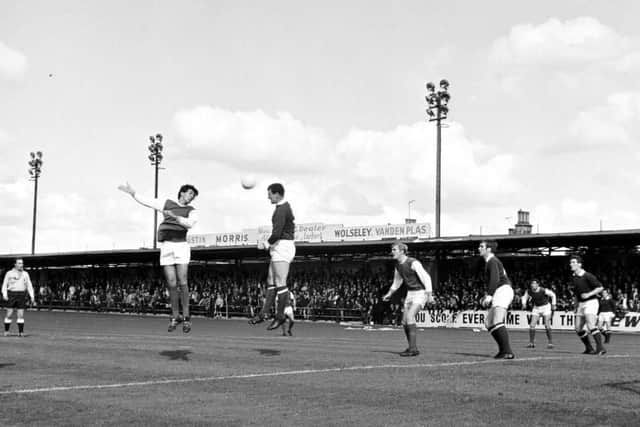
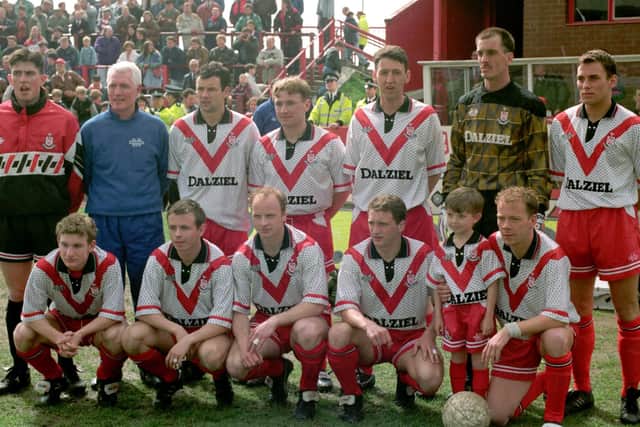
Airdrie ended their 102-year stay at Broomfield Park when they sold the site to supermarket chain Safeway in 1994
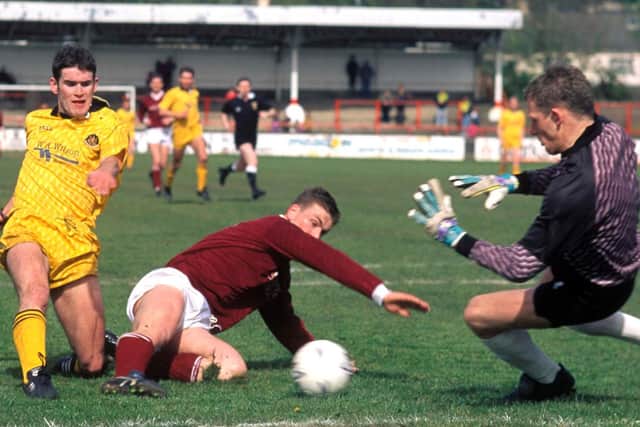
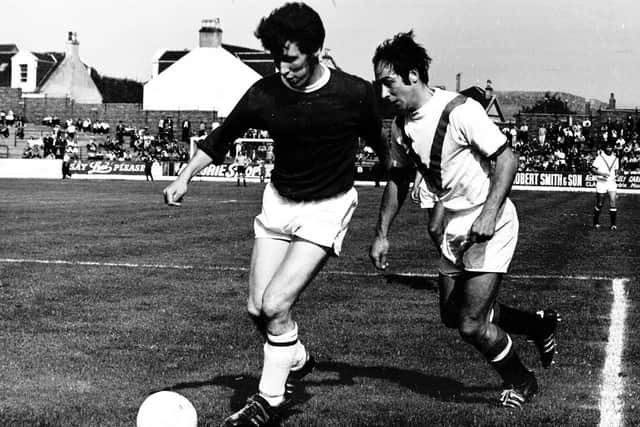
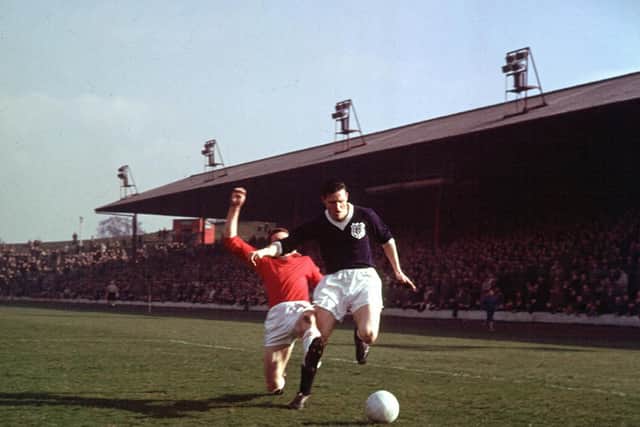
Falkirk's John Lambie shields the ball from Airdrie opponent Drew Jarvie during a 1970 clash at Broomfield Park
Broomfield was built in a narrow town hollow, with trees hanging over the roof of the stand creating a claustrophobic atmosphere that intimidated visiting teams
Airdrie sold Broomfield in 1994, playing at Broadwood before moving to the brand new Shyberry Excelsior Stadium in 1998
Queen's Park originally played here, renting the ground from 1884 until 1903, but it was Third Lanark's home from 1903 until 1967, when the club went bankrupt
Perhaps the most famous of Scotlands lost football grounds, the remains of Third Lanark's stadium still exist in Cathkin municipal park in Glasgow
The terracing can still be seen in the park today, and in recent years a reformed Third Lanark has started playing at the venue, competing in the amateur leagues
Just six years before going bankrupt, Third Lanark secured third in the Scottish top flight with a 6-1 win over Hibs also taking them to 100 goals for the season
Home of Lowland League side Spartans (1976- 2009), City Park was also home to the original Edinburgh City (1935-1955), Ferranti Thistle (1969-1974) and Craigroyston