
How to take great dog photos
Dog photography comes down to three things: getting down to your dog's eye level, working with available light, and freezing sudden movement.
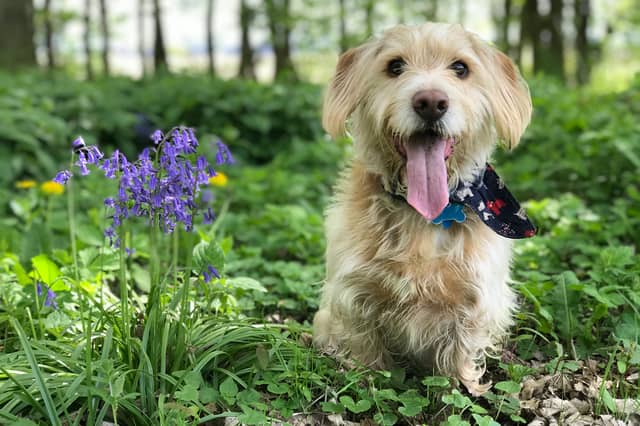

Shooting from standing height shrinks small breeds and distorts proportions. Lying on the ground or kneeling puts the camera right in your dog's world and immediately makes portraits feel personal.
Outdoor photography tips
Outdoors gives you wide spaces and changing light, but harsh midday sun creates squinting eyes and hard shadows. Aim for soft light in early morning or late afternoon, or step into open shade where light stays even across dark and light fur.
- Watch the background: Pick a clean lawn, hedge, or path behind your dog so stray people, bins, or cars do not distract from their face.
- Use fast shutter speeds: Dogs shake, leap, and turn their heads quickly. A faster shutter speed freezes ear tips and flying paws without motion blur.
- Keep treats handy: Hold a high-value treat or squeaky toy just above the lens to earn a sharp, alert expression without waving it wildly.
Indoor Dog Photography Tips
Indoors is trickier because dim rooms force cameras to slow down or raise sensitivity, which can soften fur detail. Turn off mixed overhead lights when possible and position your dog near a bright window so directional light sculpts their face clean
Top tip
Always lock sharp focus on the dog's eyes rather than the tip of the nose.
On close-ups with a shallow depth of field, a nose in sharp focus with soft eyes makes the portrait look slightly off.
Don’t be afraid to photograph individual features, like the eyes, nose, ears and paws in isolation.
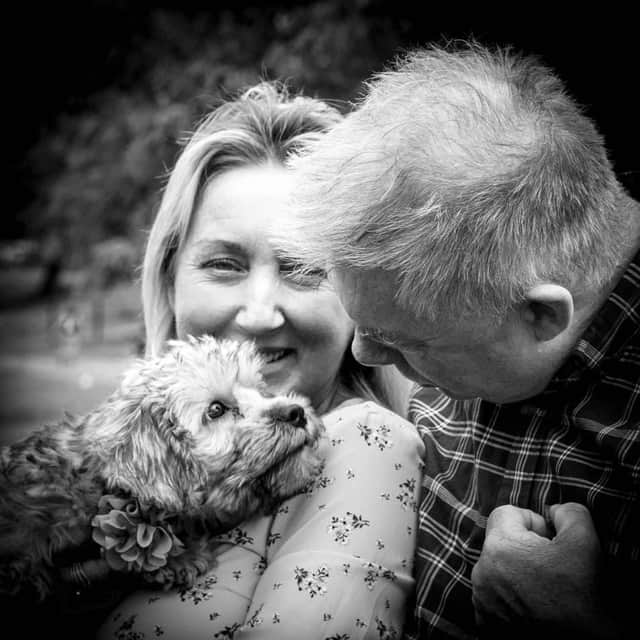
Bringing people into dog photos adds instant warmth, scale, and storytelling that a solo pet portrait rarely achieves. When a human is in the frame, the bond between dog and person becomes the emotional anchor—whether that looks like a quiet hand resting on a furry shoulder, a playful walk along a quiet path, or a joyful crouch at eye level. Those human gestures give viewers a relatable cue for how the dog is feeling in that moment.
To keep the dog from getting lost in the scene, think carefully about balance and framing. Kneeling or sitting beside your dog brings everyone closer to the same visual plane and avoids a stiff, posed look where a standing person towers over a tiny pup. Using hands, legs, or a soft side profile can let a human frame the dog naturally without stealing attention away from the dog's expression or eyes.
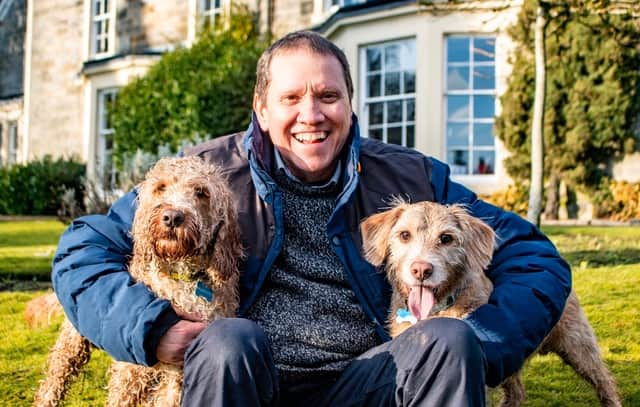
Connection works best when it feels unhurried rather than staged. Have the person focus on soothing, praising, or playing with the dog instead of staring stiffly at the camera, and watch for the subtle micro-moments—a chin resting on a knee, a tail wag mid-laugh, or a shared look between the two. Keeping the background simple helps both figures stand out cleanly so the relationship remains the clear star of the shot.
| Feature | Outdoor | Indoor |
|---|---|---|
| Best light | Early morning, late afternoon, or open shade | Bright side window with overhead lamps off |
| Main challenge | Harsh sun, wind, and busy backgrounds | Low light, motion blur, and room clutter |
| Best Approach | Crouch low, isolate the subject, use fast shutter | Angle near light, clear the backdrop, shoot bursts |
Action shots are all about anticipating where your dog is going rather than chasing where they already are. Because dogs accelerate and pivot in a split second, pre-focusing on a spot and waiting for them to enter the frame often beats trying to pan across an unpredictable sprint.
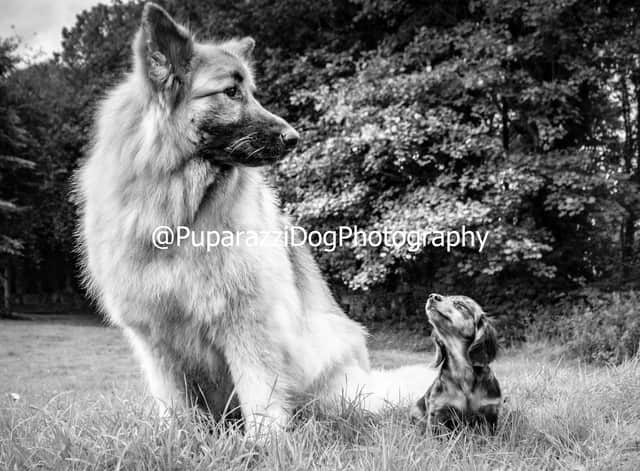
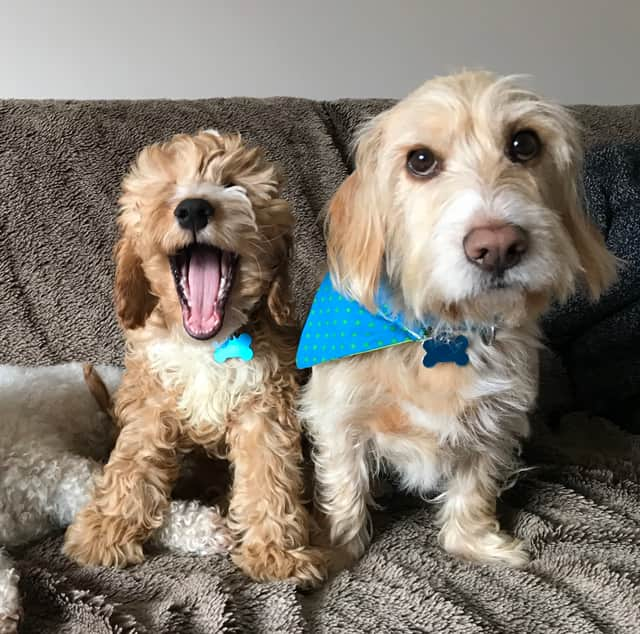
Much of the same techniques can be used to capture quick changes in their expressions, like this magic moment of an old dog’s resignation at the pup’s antics.
Positioning and Framing
- Leave leading room: Give your dog extra space in front of them in the direction they are running or jumping so they have room to "move into" the frame rather than looking like they are about to crash into the edge.
- Get low to the ground: Dropping down makes a low bound or jump look much more dramatic and puts your lens closer to the level of flying paws and grass.
- Pick a clean running lane: Have your dog run along a straight path, beach, or open field with a calm background so nothing clutters the motion.
Top tips
Bribery is best
Find out if your subject is food led or toy led
Hold their favourite toy above your camera to keep their focus
Squeaks, rustles, treats and humans can all help.
Timing and Movement
- Use a clear cue: Ask a helper to call your dog toward you, toss a favorite toy across a set line, or cue a jump over a low obstacle so you know the trajectory ahead of time.
- Watch the stride: Shots taken right as paws push off or land—or mid-air with legs extended—usually read with more energy than awkward mid-step transitions.
- Shoot in bursts: Hold down continuous burst mode through the full action sequence so you can pick the sharpest expression and cleanest limb placement afterward.
Keeping Focus and Exposure Reliable
- Pre-focus or lock tracking early: If your camera struggles to keep up with fast head-on sprints, pre-focus on a specific marker along the path and trigger as the dog hits that spot.
- Protect shutter speed first: When light drops, let Auto ISO climb higher before sacrificing a fast shutter speed, and watch your depth of field if you're shooting wide open so the eyes stay crisp as distance changes.
About our Partner Puparazzi Dog Photography
Specialist in capturing candid canines in the central belt
Visit Puparazzi Dog Photography's website from here.Follow on social media: