
Transport promises radical edge for SNP-Greens’ deal


An independence referendum and oilfield development might have grabbed the initial headlines over Friday’s SNP-Scottish Greens power-sharing ageement, but transport may be where changes really start to happen.
We’re in new territory here, so some pledges may fall by the wayside, but the important thing to remember is that previous deals between the two parties to get the Scottish Budget through have already seen some significant transport wins for the Greens.
These include free bus travel being extended from under 16s to under 22s from January, when the SNP had only planned to raise it to under-19s.
In addition, spending on “active travel” – walking, cycling and wheeling – has been increased to £115 million a year thanks to past Greens’ influence.

Those concrete changes should bode well for the pressure the party has brought to bear on making transport, err, greener, in the new agreement also leading to tangible results.
The SNP’s Scottish election manifesto talked of progressing a “wide range of proposed road building projects”.
Well, on the face of it, that’s not going to happen any more.
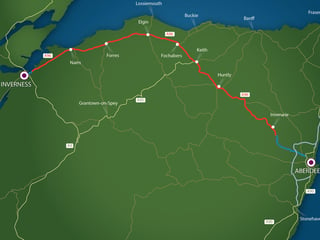
Dualling the A9 between Perth and Inverness may have escaped the axe because it’s well underway, but it’s likely that similar widening of the A96 between Inverness and Aberdeen will be severely truncated.
You can also forget pie in the sky SNP manifesto pledges like a bridge or tunnel across the Clyde between Gourock and Dunoon.
But more radical than cancelling things are parts of the deal that see fundamental issues re-examied.
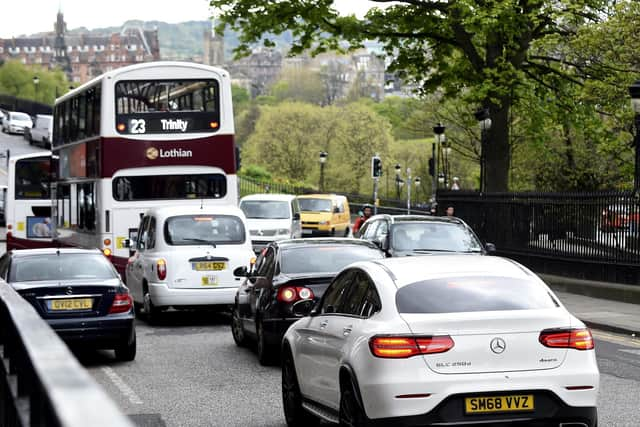
Every administration since devolution has failed to halt car growth, fundamentally because driving has become cheaper while bus and train ticket prices have outstripped inflation.
The new agreement proposes to tackle this by considering some form of “demand management”, aka charging motorists more, along with a “fair fares” review.
These are extremely thorny subjects and it may yet prove politically expedient to duck them again, but what’s key is they will now be up for proper discussion.
It’s brought smiles to some – one public transport chief executive told me: “For the first time in my adult life, an overall transport policy I can buy into.”
Let get the debate get under way.
A message from the Editor:
Thank you for reading this article.
We're more reliant on your support than ever as the shift in consumer habits brought about by coronavirus impacts our advertisers.
If you haven't already, please consider supporting our trusted, fact-checked journalism by taking out a digital subscription.
Comments
Want to join the conversation? Please or to comment on this article.