
The surprising cause of a major leak in one of Scotland's largest aqueducts
Unexpected underwater find thought to have protected massive Glasgow structure

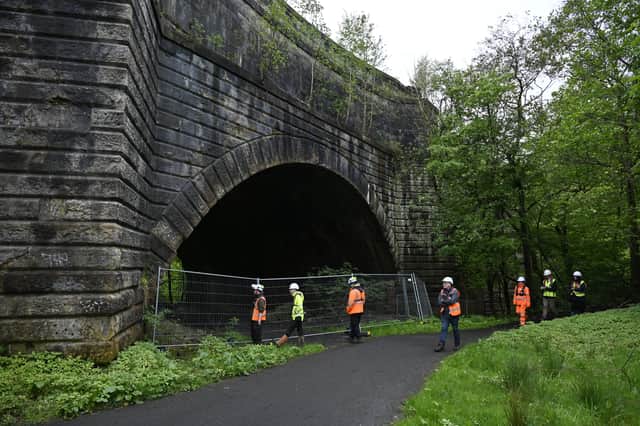
A major leak in what was once Britain’s biggest aqueduct is thought to have been caused at least in part by the surprising power of water lilies.
The thick roots of the plant have been found to have penetrated the Kelvin Aqueduct in Glasgow, triggering repairs which have revealed an unexpected find at the bottom of the Forth & Clyde Canal which it carries.
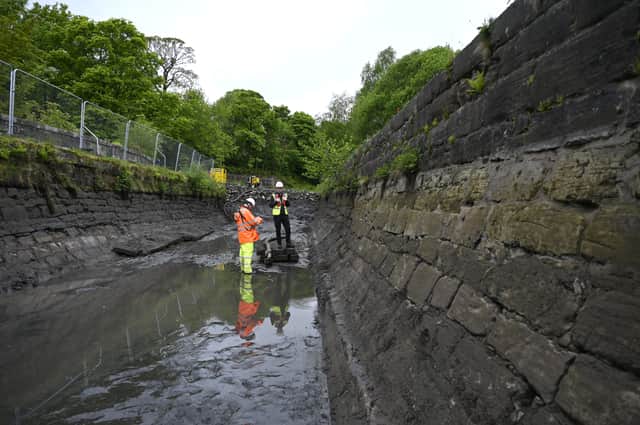

A wooden frame similar to a suspended floor was uncovered when the 235-year-old aqueduct was drained to fix the leak, which is thought to have been laid to protect the clay lining from scouring by water currents and boats’ keels.
However, a missing section of the frame at the west end of the structure - one of Scottish Canals’ biggest - may have enabled water lily and buddleia roots to grow through the lining into the masonry.
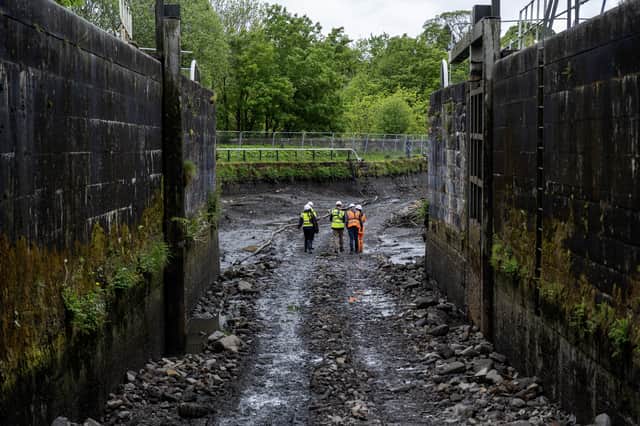
The organisation is considering them as a “potential contributing factor”, along with wear and tear.
The operation, which has cost £600,000 date, is thought to be the first time water has been removed since the aqueduct was built.
Its sheer scale - 120m (390ft) long with 15m (50ft) tall arches - attracted thousands of visitors who marvelled as boats sailed across.
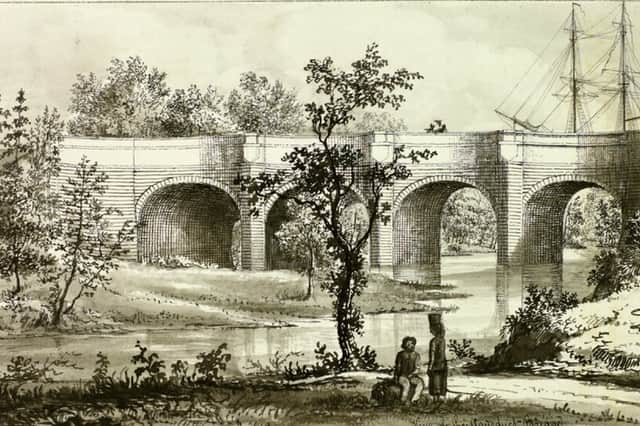
Chris O’Connell, Scottish Canals’ heritage manager, said: “It’s a superlative piece of Georgian engineering. For visitors in the late 18th century, there would have been a wow factor for the novelty of seeing the biggest aqueduct in Britain at the time.”
Denise Richmond, senior project manager for Scottish Canals, said: “We have found a timber structure which we originally thought was fendering, to protect the aqueduct and the boats from each other.
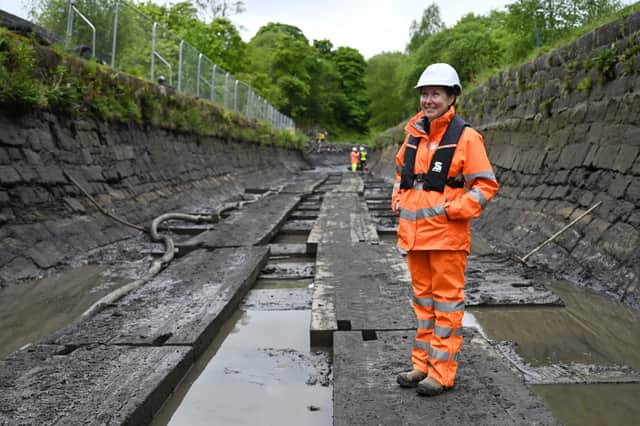
“We now think, having found some historic drawings, that it was to protect the clay liner. But parts of it are missing, so that has not protected the clay to the same level.”
It is thought the lack of dredging also helped the plants to establish themselves - but Ms Richmond said it had been a tricky balancing act looking after nature while also protecting the canal.
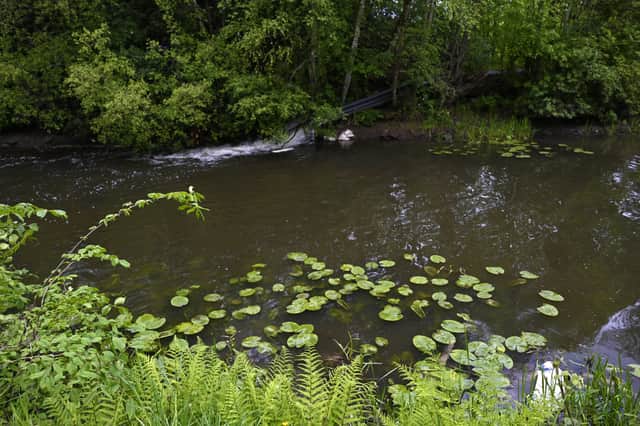
She said: “There are lily pads that have big roots systems that have managed to get through the clay liner and into the masonry. Water lilies look lovely but they are very disruptive.
“The leakage has been developing for quite a few years before it started getting markedly worse.
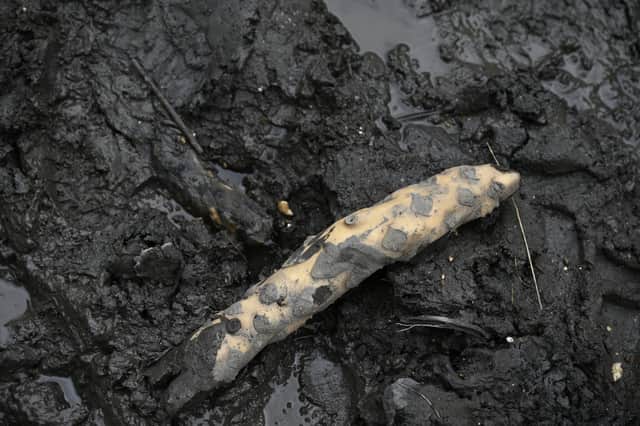
“In May last year, it was like a shower running, but by October it was more like someone had emptied a bath with the sheer volume of water coming through, and the decision was taken to start the project.”
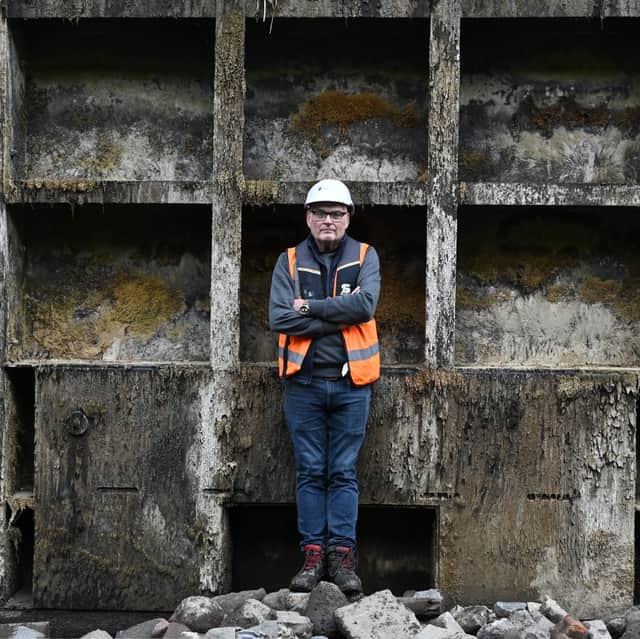
Mr O’Connell added: “It was a surprise to everyone - completely different from what we expected. We thought the aqueduct was a masonry trough with puddle clay but what we found was a suspended timber floor, which is clearly original.”
A 250m-long section of the canal including the aqueduct was drained in February, with the project due to be completed and the canal re-opened in September.
The surviving pitch pine wooden structure may be retained because it has been so well preserved in the silt, and replicated over the missing sections, which could involve using hand-made nails to resemble the originals from the 1780s.
Comments
Want to join the conversation? Please or to comment on this article.