
How far £2 could get some bus passengers when Scottish fare cap is extended on Monday
West of Scotland follows the north with £2 maximum fare
Some bus passengers could save thousands of pounds a year when a £2 fare cap is extended on Monday to cover an area containing half the Scottish population.
The new maximum price for a single ticket will include 40-mile Ayr-Glasgow trips - less than a quarter of the normal fare - when the scheme spreads to Ayrshire, Dunbartonshire, Glasgow, Inverclyde, Lanarkshire and Renfrewshire.
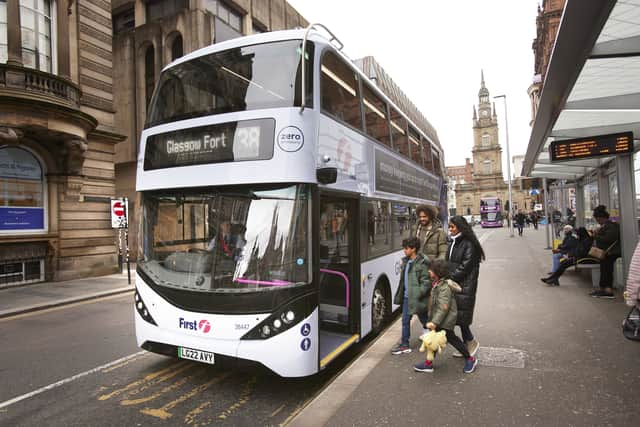

It follows passengers paying just £2 for even longer journeys across the Highlands, such as the 113 miles between Inverness and Portree, since the cap was launched as a trial there and in the islands, Argyll & Bute and Moray in the spring.
Most bus operators have now agreed to take part in the west of Scotland scheme, including First Glasgow, Stagecoach, McGill’s Buses and Scottish Citylink, despite the start date only being announced by First Minister John Swinney on Tuesday.
It will get under way despite Mr Swinney pledging during the election campaign that it would start within 100 days of a re-elected SNP government being formed - which expired this Monday.
Transport Scotland has not disclosed the expected cost of the new scheme, but The Scotsman understands it is estimated to be £55-65 million a year.
The Highlands trial scheme was expected to cost £10m but may exceed that, according to bus industry sources.
The fare cap offer is for individual trips, so passengers changing buses to complete their journeys will have to pay another £2.
The cap is also confined to each of the two scheme areas, so people travelling between them, such as Glasgow to Fort William, will be charged £4.
Mr Swinney has pledged legislation to extend the cap to the rest of Scotland by 2031.
The SNP said passengers commuting every weekday between Ayr and Glasgow for 48 weeks a year could save £3,072 over a year annually - paying £4 return a day compared to £16.80 at present.
The party said Greenock-Glasgow commuters could save £1,440 a year, with current day return tickets costing £10.
However, the bus industry has pointed out that fare levels are not the key factor in how people decide to travel, with frequency, reliability, comfort and convenience at least as important.
Nearly half of Scots, including the over 60s and under 22s, are entitled to free bus travel.
Meantime, Mr Swinney said on Thursday there was a “case to be made” to nationalise bus services not already in public hands like the Lothian group in Edinburgh and neighbouring areas.
He said: “There is a case to be made for that, and it’s an issue that’s very much in my mind because of the level of public contribution that the government is making to bus services.
“There’s an issue and an approach to be examined here. Of course, we have examples in Scotland of bus services that are run in public ownership, such as Lothian, which is a very effective and high-quality bus service.”
Mr Swinney could not confirm when any proposal to nationalise services may be taken forward, as he said the Scottish government is working on the Better Buses legislation which aims to improve service reliability, local accountability, and affordability across the country.
Comments
Want to join the conversation? Please or to comment on this article.