
Scottish drivers can challenge unfair parking charges under new code of practice
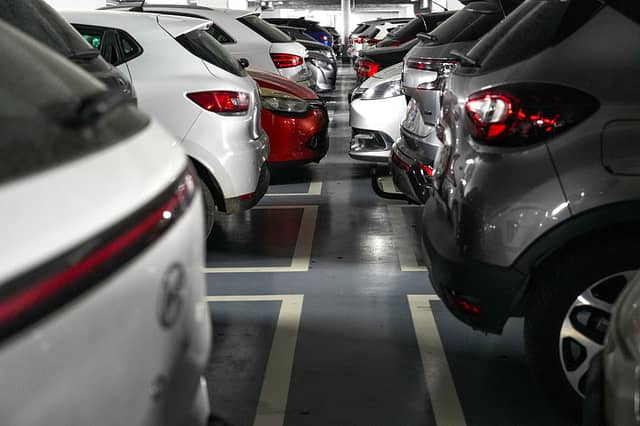

The code will apply in Scotland - as well as England and Wales - and will give drivers the right to have charges cancelled on appeal for honest mistakes and for issues they cannot control.
Drivers are set to get new rights to challenge unfair private parking charges, including a guaranteed five minutes to decide whether to park, the UK Government has announced.
Motorists will also be given 10 minutes to leave car parks without facing a penalty once their session ends under a new private parking code of practice.
The code will apply in Scotland as well as England and Wales and will give drivers the right to have charges cancelled on appeal for honest mistakes - such as stopping briefly to check directions - and for issues they cannot control - including a vehicle breakdown in a car park, a medical emergency or a broken ticket machine - the Ministry of Housing, Communities and Local Government said.
For drivers who make mistakes such as forgetting parking permits, entering a vehicle registration wrong or forgetting to confirm it in a parking machine, they will face a maximum charge of £20 on appeal under the new rules.
Hailing the change, Prime Minister Andy Burnham said: “Being a few minutes late back to your car or typing one digit of your numberplate wrong shouldn’t end with a hefty fine landing on your doormat.
“These charges leave people feeling ripped off and out of pocket, so I’m putting a stop to them.
“We are introducing clearer rules, longer grace periods and lower charges for genuine mistakes, while going after the deliberate scams that rip drivers off.”

The code will mean private parking charges are frozen at a maximum of £100, while operators who do not comply risk losing access to DVLA data, the Government said.
Currently, private parking companies use vehicle keeper information from the DVLA to pursue parking charges.
A record 16.9 million parking tickets were handed out by private businesses in the year to the end of March, according to analysis of Government data.
That is up from 14.4 million a year earlier, and 6.8 million in 2018/19.
Each ticket can be up to £100, meaning the total cost to drivers may be more than £4.6 million per day at the current rate.
The parking industry has attributed the rise to an increase in the number of car parks being managed.
The new private parking code of practice will bring in a fully independent scrutiny and oversight board for the first time.
Private operators will be required to report data on the charges they issue and how appeals are handled which will then be scrutinised by the board.
Read more: Cause of major Prestwick air traffic control fault that disrupted hundreds of flights revealed
RAC head of policy Simon Williams said the code was a “step in the right direction” to protect drivers from the practices of some private parking companies, but “not the leap” the motoring services company had been campaigning for.
He said: “Car park management companies will now have to conform to a new set of rules or risk losing access to the DVLA’s database which they depend on to issue PCNs to drivers.
“This will hopefully prevent many drivers wrongly being issued tickets in the first place.”
Mr Williams added: “While this isn’t quite the Christmas present we wanted for drivers, it should hopefully save many the stress of having to challenge unfair tickets.”
Alison Tooze, chief policy officer at the British Parking Association, said her organisation “welcomes” the new code, which is an “an important step forward for motorists, communities and responsible parking operators”.
“The code builds on many of the principles already established through the sector’s existing voluntary code, helping create a more consistent, transparent and trusted framework,” she said.
Comments
Want to join the conversation? Please or to comment on this article.