
Schiedam: the windmill-filled home of Dutch gin
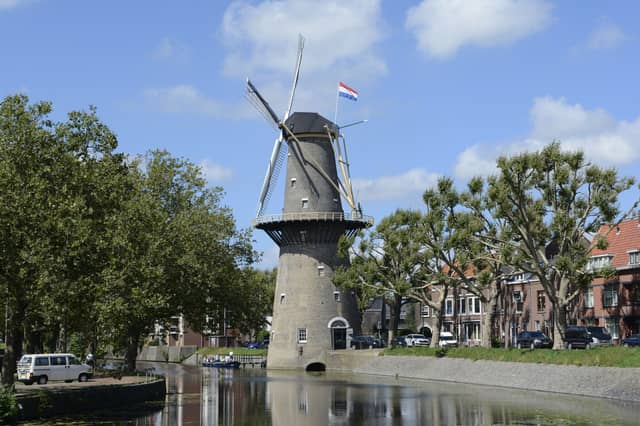

Schiedam: the windmill-filled home of Dutch gin
I don’t know which is worse: looking up and seeing the miller scamper up the windmill’s sail or looking at my feet and seeing the gaps between the wooden planks and the water of the canal 55 feet below.
Matthieu Zuiderwijk is showing me round one of Schiedam’s eight windmills – some of the tallest in the world – and all the stairs and ladders of this 108ft structure obviously keep him fit.
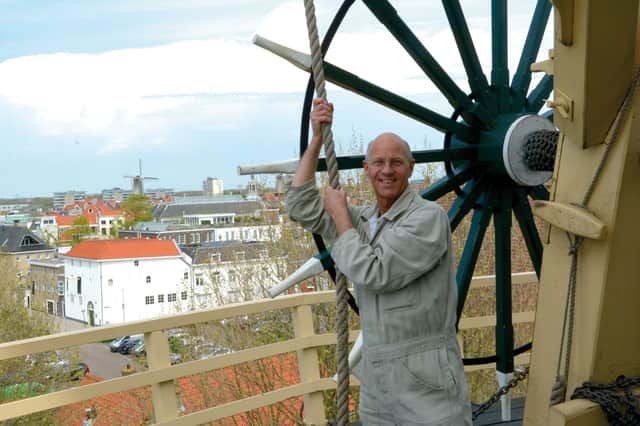
The Windmill de Walvisch, which dates back to 1794, is open as a museum and helps me understand why this community beside the busy waters of the Niuewe Maas and the port of Rotterdam is so important in the history of the Dutch drink, jenever. A juniper-flavoured distilled spirt, jenever was adapted by the British into what we know as gin.
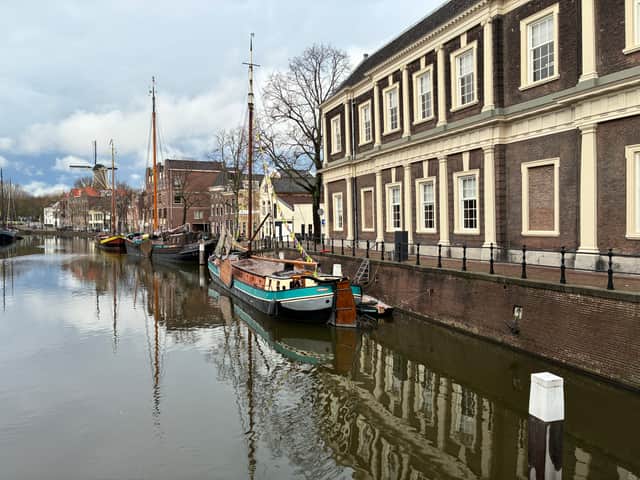
Jenever – along with fishing and shipbuilding – gave Schiedam great wealth, meaning its canals are lined with beautiful 18th-century buildings dating from the Dutch Golden Age. And once there were 20 windmills grinding grain for the 18th and 19th century distillers.
This makes Schiedam an ideal place to see Dutch windmills as it is only a short bus, metro or water taxi ride from central Rotterdam where I’m staying, which in turn is as little as 25 minutes by train from Amsterdam’s Schiphol airport and its direct flights to Scotland.
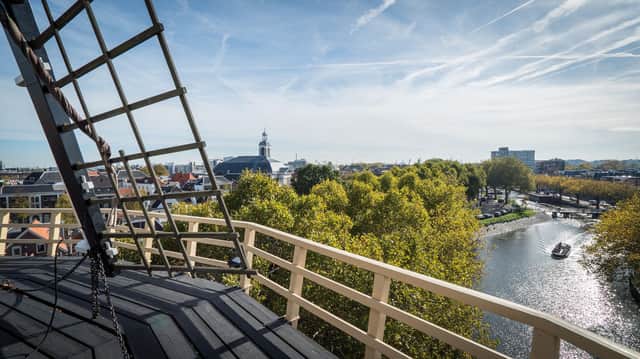
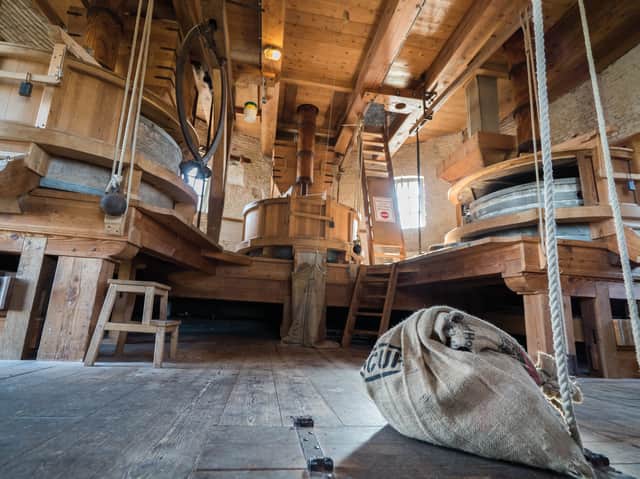
The windmills were built tall to take the wind from above the other buildings. Inside de Walvisch the secrets of the mill – the countless steps, gears, pulleys, tools and huge grinding stones – show what it was like living and working here and an immersive audio-visual presentation explains how the mills fit into the wider distilling story.
By 1880, there were 400 distilleries in Schiedam, with their smoke giving the town the nickname Black Nazareth. Today Schiedam is still the centre of the Dutch jenever industry and growing as a destination on the strength of it. The old town is charming. It has the canal-scape plus independent shops – including a chocolatier with outdoor 24-hour vending machine – galleries, cafes and bars. It is also something of a cultural melting pot as you would expect in a port town.
While sampling chef Genaro Iannini’s gourmet tapas in Oniria, a Spanish cocktail bar, I am introduced to Bobby’s Gin, one of Schiedam’s modern spirits. Inspired by Indonesian immigrant Bobby Alfons, his grandsons have created a popular gin which uses the spices he loved.
At the heart of the Dutch Distillers District is the national Jenevermuseum where I meet Marco Spruit Bleeker to learn more about the jenever makers.
First stop is the museum’s own spirit distillery set up in style of the 17th century “Old Dutch” method to triple distil a malt wine from barley and rye. After at least three years in oak barrels, a juniper berry distillate is added to the malt wine, creating the museum’s Old Schiedam Jenever. This malt wine is more akin to whisky than a London dry gin and Schiedammers are happy to tell me that it was the Dutch who taught the Scots how to make whisky.
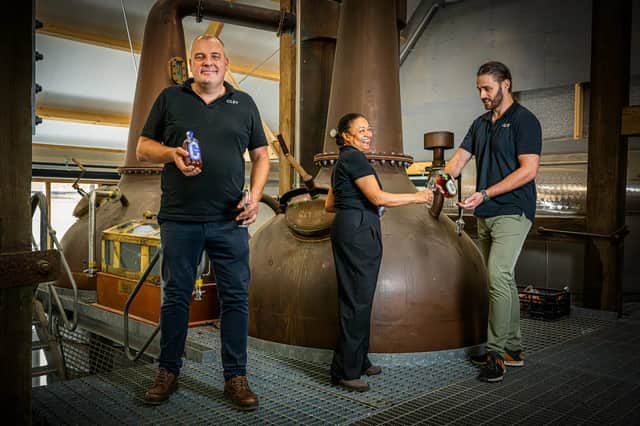
In fact, Paul den Dulk, co-founder of Cley Whisky, was a volunteer at the museum before he set up a microdistillery a few miles away a decade ago. He opened a new distillery and visitor centre at the end of 2025 and – in a tribute to the Dutch passion for sustainability – has managed to secure pre-loved stills built in Prestonpans and other equipment manufactured on Speyside. It is good to see the Scottish link thriving in Rotterdam.
In Schiedam, the museum is easily a place to spend an afternoon understanding the jenever distilling process, exploring the drink’s history and smiling at vintage advertising. It is also a place to taste the museum’s own jenever.
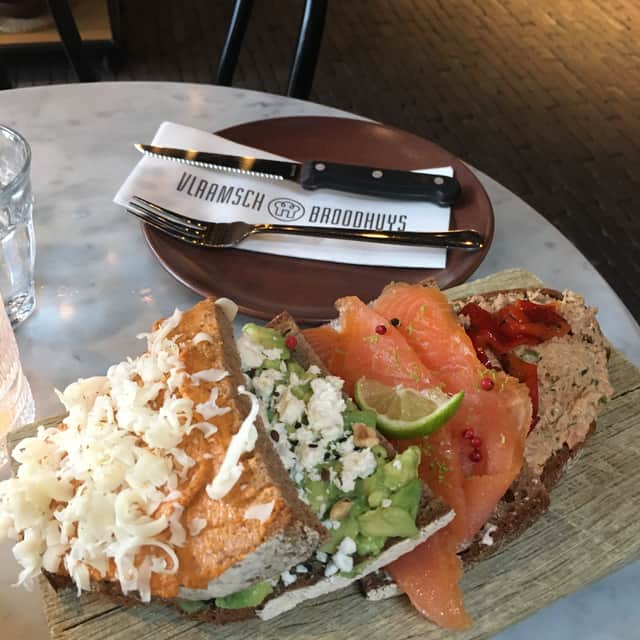
After sampling three styles of Old Schiedam, it is definitely time for afternoon tea at the canal-side Vlaamsch Broodhuys bakery. Sourdough is the speciality and slices come topped with tasty combinations featuring goats cheese, avocado, salmon and tuna. The patisserie platter is a sweet-toothed tourist’s delight.
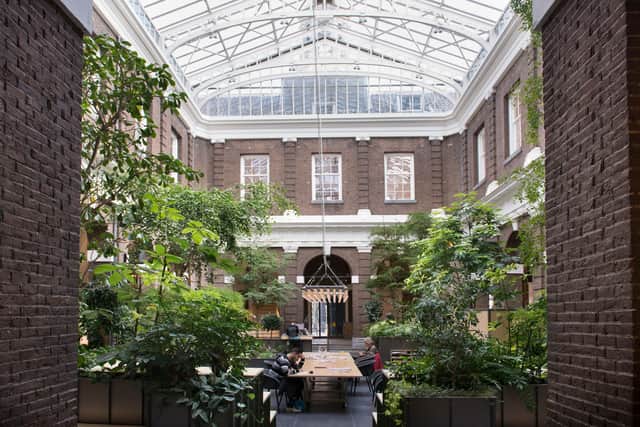
Across the canal the grand stock exchange, de Korenbeurs, reflects the prestige of the Dutch jenever industry and the trade that went with it in the late 18th century. Originally built around an open courtyard, a glass roof was added in 1872, probably inspired by Crystal Palace in London and it is one of the first glass roofs in the Netherlands. After decades of prosperity, technological advances meant the malt wine of Schiedam was replaced with neutral alcohol in gin production and by 1918 the exchange had closed it doors. De Korenbeurs is now the public library. Readers pass through an elegant façade topped by Roman gods to sit in a light, plant-filled space. I am intrigued by the chandelier made from 560 jenever glasses – a nice nod to the building’s origins.
Today, six of Schiedam’s 18th-century windmills are within walking distance, although a 90-minute canal cruise on the Whisper Boat offers a tempting alternative. A seventh windmill looks convincingly like an 18th-century cousin, but in fact it dates from 2005 and is a wind turbine which powers the Nolet Distillery.
I walk from de Walvisch to the Nolet windmill passing brick houses with Dutch gables, canal-side warehouses and through de Plantage. Created in 1767 in “English landscape style”, the park is fringed by grand merchants’ houses and has managed to absorb pieces of modern art almost seamlessly.
Cossing the Nieuwehaven canal into Hoofdstraat, I’m in the world of Nolet, the maker of Ketel One vodkas and jenever and Nolet gins. The Royal Nolet Distillery was founded by Joannes Nolet in 1691 and is still a family business. It is only rarely open for public tours, but it’s definitely worth catching one if you can. Under the wind turbine there is a gracious reception area, with adjoining spirit-making spaces. There are all the stills, tanks, barrels and extensive bottling and packing lines you would expect. Of course, it is the unique stories revealed that bring it to life.
For me, it is the elegant museum room with artifacts from the different generations of the Nolet family where things become fascinating. I particularly like the simple room where father and son sat at desks running the company. The only signal that the son had succeeded his father as the boss is when they sit at each other’s desk.
For all that tradition, the practicalities of being a major spirits firm comes into the equation and when they needed access to land on the other side of the canal, they built a tunnel.
What any visitor to Schiedam can do is take a cocktail class at Nolet’s Copperclub. It is an immersive way to learn about jenever (and vodka) – and we have fun trying our hand at the shaking and stirring as we turn the products into delicious – instagrammable – cocktails. Cheers to that.
Factfile
Nationaal Jenevermuseum www.jenevermuseum.nl; Molen de Walvisch www.jenevermuseum.nl; Nolet Distillery noletdistillery.com; Copperclub noletcopperclub.nl; Vlaamsch Broodhuys www.vlaamschbroodhuys.nl; Oniria restaurantoniria.nl;Cley Whisky en.cleydistillery.com
Tourist information: Schiedam Partners www.sdam.nl/uk; Rotterdam Partners rotterdam.info/en; The Netherlands Tourism Board www.holland.com; Rotterdam City Card gives unlimited public transport for one, two, or three-day plus discounts on attractions, citycard.rotterdam.info/EN
Hotel New York, Koninginnenhoofd 1, Rotterdam. hotelnewyork.com
Comments
Want to join the conversation? Please or to comment on this article.