
Exclusive:Scottish councils facing £28m costs for burning waste after 'irresponsible' SNP policies
Campaigners have blamed “irresponsible” policies from the Scottish government for the forecast costs for local authorities.
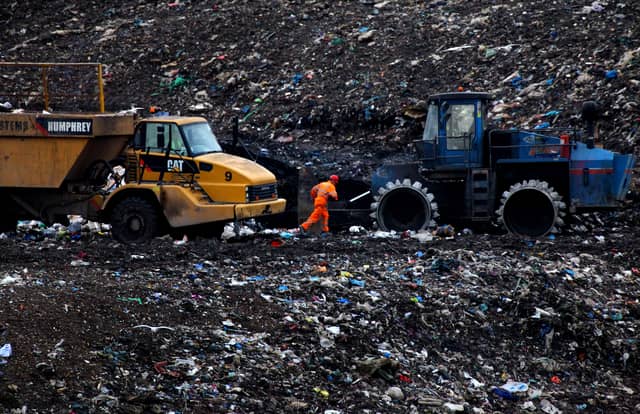


Scottish councils are facing added bills of at least £28 million a year from burning waste in controversial incinerators due to “irresponsible” SNP environmental policies - with tolls potentially soaring to £168m by 2050, it has been claimed.
The warnings, revealed in a new stark report, come amid a UK government scheme, supported by SNP ministers, to tax carbon emissions from burning waste, including plastic.
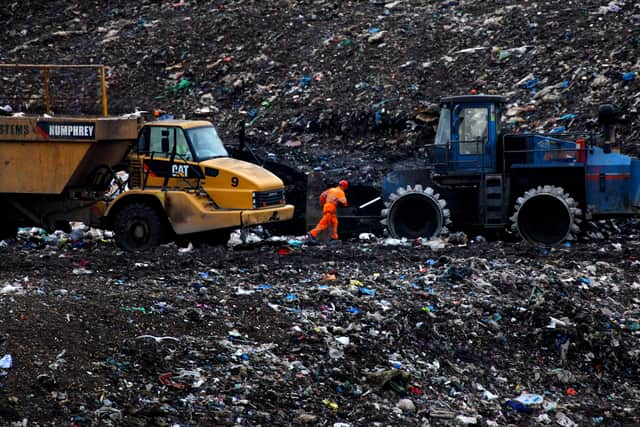
Under the UK Emissions Trading Scheme (ETS), incinerator operators will then pass these costs on to councils who send them waste to burn.
The report by Zero Waste Scotland suggests that new revenue for councils, which was meant to be spent on improving recycling services throughout Scotland, will now be handed over as part of this payment instead.
READ MORE: SNP under fire for 'costly wasted opportunity' to cut waste and boost re-use and recycling
Despite this move, the funding will not cover the whole bill, leaving cash-strapped local authorities to pick up the £14m additional costs in 2028 and more each passing year.
The report warns that the SNP government’s ban on sending wate to landfill, now essentially delayed until the end of 2027 due to capacity issues, means “all residual waste collected by local authorities is sent for incineration in Scotland”.
Since 2011, incineration rates have increased by more than 350 per cent in Scotland and, in 2024, almost two million tonnes of waste was burned.
Kim Pratt, senior circular economy campaigner at Friends of the Earth Scotland, said: “Forcing Scottish councils to find an additional £28m in 2028 and more every year after in a cost-of-living crisis will have real impacts on people’s lives.
“The Scottish government must bear the blame for creating irresponsible policies which encouraged councils to incinerate waste, rather than reduce and recycle it, despite knowing that the costs were expected to rise dramatically.”
She added: “Not only will vital public services be at risk, but money earmarked for large-scale improvements to recycling services will have to be spent paying the ever-growing incineration bill instead.
“To fix this, the first step to take is for the Scottish government to find ways for councils to cut this bill by reducing the amount of plastic waste being burned. In the long term, a national exit strategy for incineration is needed.”
Scottish Liberal Democrat climate emergency spokesperson, Liam McArthur, said: “This is a mess.

“The landfill ban was supposed to increase recycling, but it appears to have simply resulted in more waste being incinerated at a hefty cost for councils.”
Cosla spokesperson for environment and economy, Gail MacGregor, said: “We are aware of the report and working with UK and Scottish governments to seek to mitigate the costs to councils.
“While supportive of the decarbonisation intention of the scheme, councils currently have few effective levers to reduce ETS costs.

“Waste arisings and plastic content in residual waste are not under their control. If councils are left to carry the full financial burden arising from the UK emission trading scheme, then other vital local services could be affected.”
SNP Climate Action Secretary, Gillian Martin, said: “We will continue to work as a member of the UK emissions trading scheme (UKETS) authority to ensure the findings from this response are considered in developing the UK ETS expansion to include energy from waste, including with respect to appropriate timing and support mechanisms.”
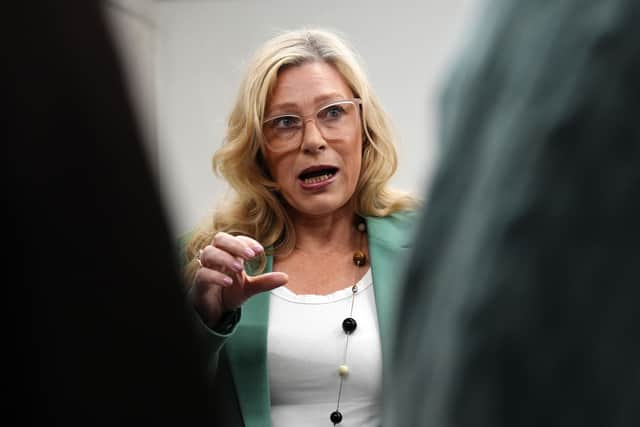
A UK government spokesperson said: “We do not accept this claim - local authorities will not be expected to cover the full costs and we continue to engage with them and industry on the details of this scheme, with further updates in due course.
“Expanding the UK emissions trading scheme to include energy from waste facilities will cut emissions and drive investment in cleaner supply chains.”
Comments
Want to join the conversation? Please or to comment on this article.