
SNP demands ‘decisive and urgent action’ after damning watchdog report into NHS Grampian

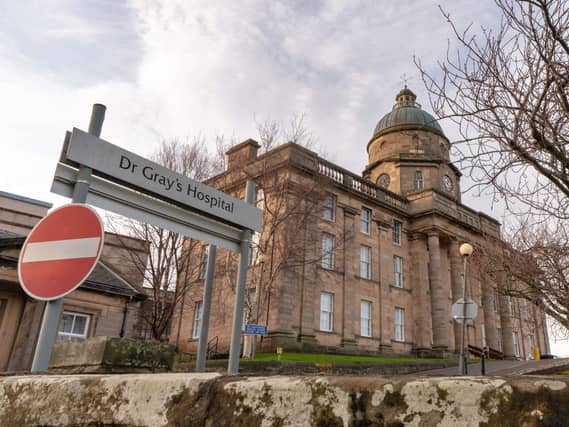

NHS chiefs in the North East have been heavily criticised for a lack of governance causing “recurring patterns of harm”.
Health Secretary Angela Constance has told the leadership of NHS Grampian to take “decisive and urgent action” after a watchdog revealed failings by bosses has caused “recurring patterns of harm” for patients.
Ms Constance has laid into the leadership at the health board after a damning report by Healthcare Improvement Scotland (HIS).
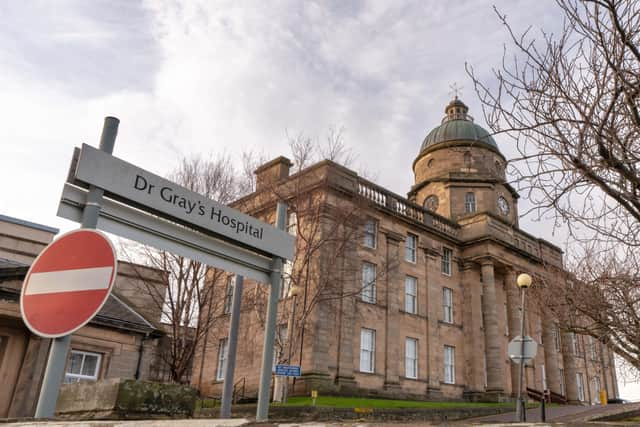
The Health Secretary said the findings were “extremely serious”, adding that they “will be deeply concerning for patients”.
The HIS report revealed it has lost confidence in NHS Grampian’s leadership to pass on reliable information after it was told to stop paediatric surgery at Dr Gray’s Hospital in Elgin but continued to operate on some children until August.
The findings also set out concerns at Dr Gray’s, including the safety of patients and the quality of care, alongside the number of staff available to look after patients.
It also found failures to learn from past mistakes had caused repeated harm to patients that was avoidable.
The report highlighted serious weakness in leadership and management of the medical workforce at NHS Grampian including significant concerns over how doctors are being managed.
HIS found a “recurring pattern in which concerns generate reviews, action plans, additional structures or workarounds but this has not successfully resolved underlying causes of difficulties”.
The report added: “Particularly concerning are major weaknesses in learning from significant adverse events and the failure to escalate patient safety issues.
“NHS Grampian must demonstrate not only that improvement actions have been implemented, but that they have resulted in effective and sustained resolution of identified risks, with clear evidence that improvements are embedded, consistently applied and capable of being maintained over time.”
The document also highlighted “serious concerns” following the death of a patient during surgery, with the watchdog finding a “major omission” in reporting by “not meaningfully examining the actions, clinical decision-making, operative techniques or judgements of the operating surgeons involved”.
Simon Watson, medical director of Healthcare Improvement Scotland, said the report identifies “recurring patterns of harm”.

He added: “It provides a clear diagnosis of significant problems in key aspects of clinical governance. There are findings that will make difficult reading for NHS Grampian’s leadership and will understandably raise concerns among patients, the public and staff.
“We found weaknesses in clinical governance systems, leadership and organisational oversight. These are essential for an organisation to provide assurance to patients, staff and the public about the safety and quality of care they provide.
“We were particularly concerned about problems in the way NHS Grampian investigates its most serious adverse events. These concerns were mostly focussed on the senior leadership of the organisation. The quality of NHS Grampian’s significant adverse event reviews are subject of further formal scrutiny by Healthcare Improvement Scotland. “
Chief executive of NHS Grampian, Laura Skaife-Knight, said: "The review has identified significant shortcomings, including longstanding weaknesses in our board governance and oversight, clinical governance and the way services work together in an integrated and supportive fashion across NHS Grampian.

"Most concerning are the unacceptable delays in investigating and implementing learning from incidents involving patient care which can prevent us from making the changes necessary to keep patients safe."
Ms Skaife-Knight, who commissioned the report, confirmed the NHS Grampian board will consider the actions required.
Ms Constance will update MSPs at Holyrood on the situation at NHS Grampian next week.
She said: “The findings of this report are extremely serious and will be deeply concerning for patients, families, local communities and staff across Grampian.
“It identifies significant failings in leadership, governance, accountability and organisational culture.”
Ms Constance has written to the leadership of NHS Grampian over the concerns laid out in the report and “was clear I expect decisive and urgent action”.
She said: “The report is particularly critical of medical leadership, of senior individuals and their role in the failures of clinical governance, decision-making and patient safety.

“Given the seriousness of these findings, I expect the board to immediately make changes in medical leadership and to carry out any further necessary changes at a senior level to restore confidence in services.
“I understand that NHS Grampian have already made some changes to their medical leadership and an interim medical director has been appointed with effect from Monday, 16 November.”
Ms Constance stressed that "patient safety must come first”, adding that ”people in Moray and across NHS Grampian must have confidence in the care they receive”.
She added: “Patients should continue to use their local services and NHS Grampian has established a dedicated helpline to ensure patients, families and local communities have a clear route to raise concerns, seek advice and access support.
"This must be a turning point for NHS Grampian and the board must act with urgency in addressing the serious concerns.
“A new Interim Chair of the Board was appointed in October and I expect to see demonstrable improvements before the end of the year. In the meantime I am considering whether further escalation measures are required.”
Professor Mark Strachan, president of the Royal College of Physicians of Edinburgh, argued the report “raises very many serious concerns about clinical governance in NHS Grampian”.
He added: “Meaningful review of serious adverse events is an essential component of good clinical practice. The purpose of reviewing such events is to understand what went wrong, to ensure that any avoidable factors are identified, and to then implement steps to reduce the risk of future similar incidents. There has clearly been a failure in those review processes by NHS Grampian - highlighting a lack of oversight and governance by its senior leadership.
“The college has been concerned for some time about the quality of serious adverse event reviews across the NHS in Scotland. In particular, we have been concerned about a lack of external scrutiny of these reviews, the inconsistent training of health professionals who sit on such investigations, a lack of senior level monitoring and evaluation of actions, and a consistent failure to share lessons from such investigations across the NHS.
“There now must be a collective commitment across the NHS in Scotland to foster a culture of openness, accountability, continuous improvement and learning, rather than blame. This requires a shared agreement that learning from adverse events will lead to demonstrable changes in clinical practice, organisational processes and patient safety systems. This learning must not only be shared within the units or hospitals in which the serious incident occurred, but across the entirety of the NHS in Scotland.”
Comments
Want to join the conversation? Please or to comment on this article.