
Alarm as North Sea oil and gas faces 2028 decommissioning tipping point as Rachel Reeves urged to act
The UK Labour government's energy profits levy has been partly blamed for accelerating the decline of the North Sea oil and gas industry.

The North Sea oil and gas sector has warned it faces a tipping point in 2028 that would see decommissioning costs outstrip fossil fuels investment for the first time - amid fears the UK Labour government is helping to accelerate the industry’s decline.
A stark new report from industry body, Offshore Energies UK (OEUK), has revealed expenditure on decommissioning of infrastructure in the UK Continental Shelf (UKCS) surpassed the threshold of £2 billion for the first time.
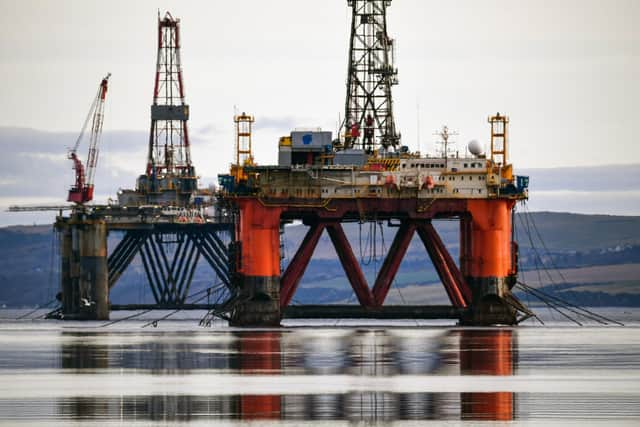

Decommissioning accounted for 15 per cent of total oil and gas expenditure in the UKCS in 2024, with projections indicating this share may double and exceed 30 per cent by the end of the decade.
Owners of oil and gas installations and pipelines are required to decommission their offshore infrastructure at the end of a field’s economic life, but fossil fuel companies receive tax relief from the UK government due to the heavy costs.
READ MORE: Fears SNP's ScotWind at risk of collapse without Chinese firm MingYang's Highlands factory approval
But OEUK has warned the UK government’s energy profits levy, first introduced by the Conservatives, has resulted in an increase in decisions to cease production - leading to higher decommissioning costs in the short term.
The industry, which has persistently called on the Chancellor to bring forward reforms to the energy profits levy in Wednesday’s Budget, has issued a warning over continued tax uncertainty alongside Labour’s pledge to end new North Sea licensing.
OEUK’s new report warns “decommissioning spend could potentially overtake capital expenditure as early as 2028”.
The report adds: “This is concerning for operators and supply chain as the UK oil and gas sector faces challenges in terms of basin investment, and the decommissioning sector will prosper only if its growth is managed alongside, not in place of, continued capital investment in ongoing oil and gas production.”
Ricky Thomson, OEUK’s head of decommissioning, said: “In 2024, annual decommissioning expenditure in the UK Continental Shelf (UKCS) surpassed the threshold of £2 billion for the first time.
“The industry is demonstrating its resilience by fulfilling its decommissioning obligations and fuelling activity across the UK’s world-class supply chain. Looking ahead, the continued success of the decommissioning sector will depend on its growth being managed strategically alongside sustained capital investment in ongoing oil and gas production rather than replacing it.”
Scottish Conservative energy spokesperson Douglas Lumsden has called for Labour and the SNP, which has backed OEUK’s calls to bring forward reforms to the energy profits levy, to “end their ideological war on the sector”.
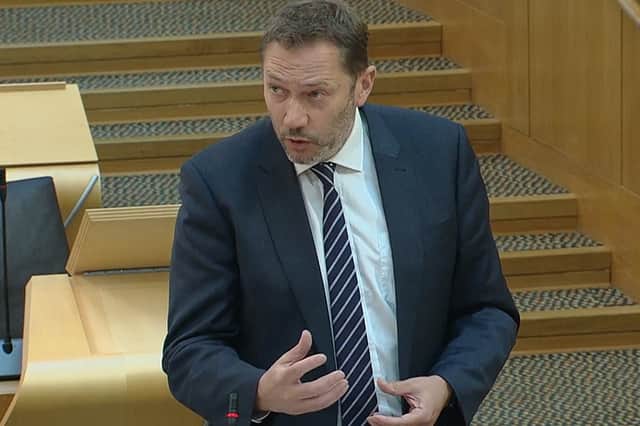
He added: “Scotland is losing 1,000 skilled jobs per month because of the reckless opposition of both governments to new projects in the North Sea.
“This stream of oil and gas-related job losses will continue unless both governments support new North Sea drilling and Rachel Reeves ditches the energy profits levy.
“The stance of Labour and the SNP amounts to an act of national self-harm, which is devastating North East communities and leading to higher fuel bills for everyone by forcing us to rely on costly imported fossil fuels.”
A UK government spokesperson said: “Oil and gas production will be with us for decades to come, and we will manage existing fields for the entirety of their lifespan while delivering the next generation of good jobs for North Sea workers in a fair and orderly transition.
“Issuing new licences to explore new fields will not take a penny off bills, cannot make us energy secure, and will only accelerate the worsening climate crisis.”
Comments
Want to join the conversation? Please or to comment on this article.