
John Swinney: IndyRef 2 needed due to 'significant generational change' since 2014

John Swinney will make independence the focus of an upcoming election campaign speech.
John Swinney says a second independence referendum is needed due to the “significant generational change” since 2014.
The First Minister will set out the SNP’s election campaign on Monday morning in Glasgow where he will once again focus on independence.
The most recent independence polling suggests support for independence is currently at 47 per cent, however support for the SNP is around 35 per cent for the constituency vote and 28 per cent for the regional list vote.
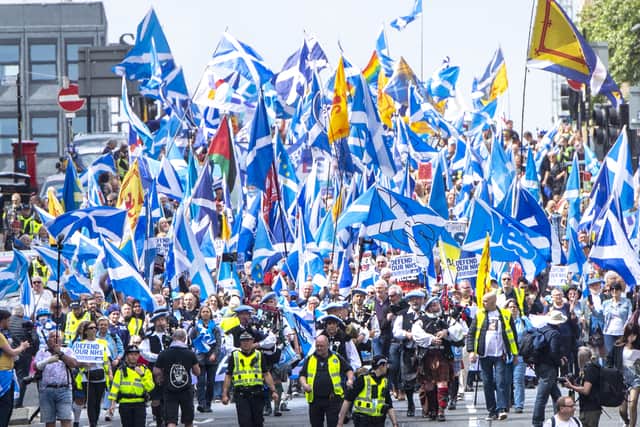

Mr Swinney is hoping that by focusing on leaving the UK, he can appeal to those who support independence but are not planning to back the nationalists at the polls in May.
He said it is the “democratic will of the people of Scotland” for a second independence referendum to be held if the SNP wins a majority in this year’s election, and added around 1 million voters who were not eligible to vote in 2014 will be by 2030.
Speaking to BBC Radio Scotland Breakfast, Mr Swinney said: “The fundamental issue here is about democratic choice and how the democratic will of the people of Scotland should be expressed.
“In 2011 the SNP had a majority in parliament and the democratic will of the people was respected when the referendum took place in 2014 - that’s the precedent to rely on.
“For 10 years now we have had a parliamentary majority comprised of the SNP and other parties who support independence.
“It is an unsustainable democratic position for the UK Government to resist the wishes of the Scottish people.”
Mr Swinney has said he wants the SNP to win at least 65 seats in May’s election, which would give the nationalists an outright majority in Holyrood. This happened in 2011 under Alex Salmond, despite the voting system being designed to prevent this from happening.
He said the “safest, most reliable way” to secure a second independence referendum is to vote SNP in May.
Mr Swinney added: “By the time we get to 2030, 1 million electors in Scotland will be eligible to vote who didn’t have a choice in 2014. That’s a quarter of the electorate.
“If that’s not a significant generational change, I don’t know what is.”
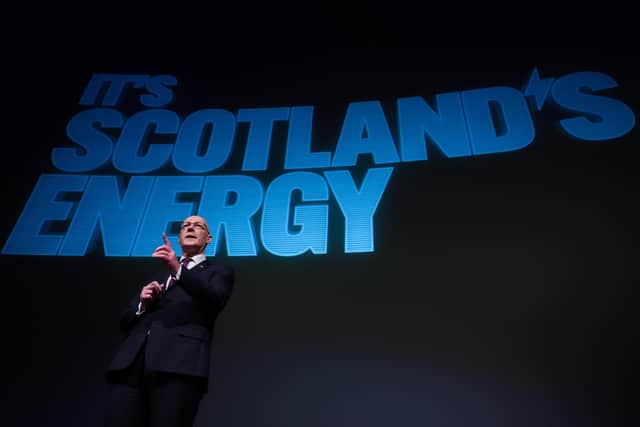
During his interview Mr Swinney also said there was a “clear willingness” from government to avoid a resident doctors’ strike, but added ministers cannot put an offer on the table they cannot afford.
Scotland’s resident doctors are set to walk out next week in a dispute over pay - BMA Scotland has accused the government of reneging on their commitment to restore pay to 2008 levels, and looks set to go ahead from 7am on January 13 until 7am on January 17.
Health Secretary Neil Gray is due to meet with resident doctors on Monday to try and prevent the strike from going ahead.
Mr Swinney added: “We don’t want to see the health service disrupted by industrial action, and it would be if resident doctors take that action.
“An agreement was reached in 2023 about pay and on the basis of what’s on the table for this year and next, by 2027 resident doctors’ pay will have increased by 37 per cent.
“The offer that is on the table is at the highest end of public sector pay offers and equals what has been made to other members of the health service.
“We have stated emphatically that the terms of the 2023 agreement have been met in full by government. From a government perspective, we have remained faithful to that deal.”
The First Minister added: “I am anxious to work together to find a solution because I do acknowledge if there is industrial action there will be disruption to our health service, but we cannot put offers on the table that the government cannot afford, or create further difficulties in public sector pay.”
Comments
Want to join the conversation? Please or to comment on this article.