
High Court cases to double as Crown Office braces for 'significant' pressure on Scotland's justice system



High Court indictments are expected to double from 110 to 240 a month before reducing to a new normal higher than before the pandemic.
Prosecutors have warned that High Court cases will double over the next year as Scotland’s justice system faces “significant” challenges to get through a pandemic backlog before trial time-limit rules expire.
The Crown Office and Procurator Fiscal Service (COPFS) has issued a warning that following the “sharp” spike, expected to last until at least March next year, case loads will return to a new normal much higher than before the pandemic.
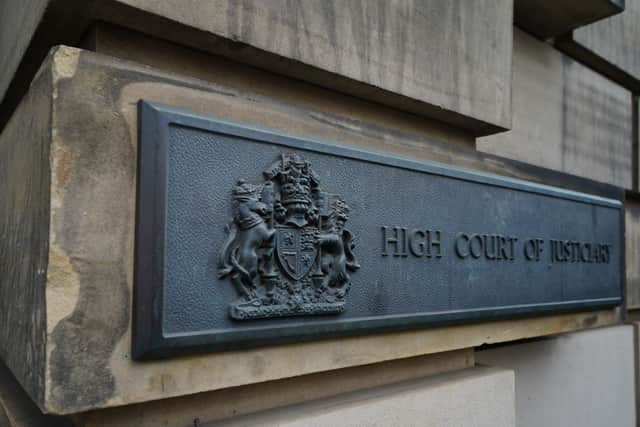
The Scottish Court and Tribunal Service (SCTS) is expecting around 3,000 high court indictments to come forward in the next financial year.
Malcolm Graham, chief executive officer of SCTS, has previously warned Scotland’s justice system is facing “a fundamental shift in the nature and level of cases entering the criminal justice system”, adding that “the trend is set to continue and to grow further”.
READ MORE: Crown warns victim service and support for unsolved cases set for cuts without SNP funding boost
In a stark letter to Holyrood’s criminal justice committee, Crown Agent and chief executive of COPFS, John Logue, has stressed that the spike in cases coming forward could have an impact on victims and survivors and Scotland’s swelling prison population.
Mr Logue has argued that prosecutors are bracing for an “increased volume and complexity of solemn casework over the next six to twelve months”.
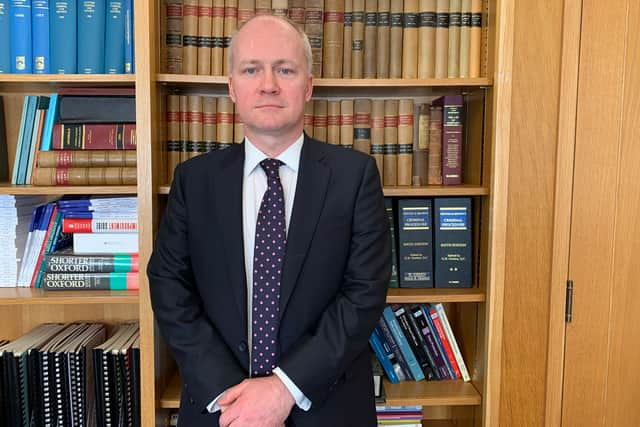
“The scale of the challenge is significant”, he added.
“Between October 2026 and March 2027, COPFS is facing a sharp but temporary increase in solemn casework as the final cases subject to the extended pandemic time-bar arrangements are indicted for trial in either the High Court or the Sheriff Court.
READ MORE: Scottish courts face being 'stretched beyond breaking point' as SNP under pressure to boost funding
“During that time COPFS expects to indict more than twice the usual number of potential High Court cases. For context, that means an increase from approximately 110 cases to around 240 each month.”
But Mr Logue has insisted that while the doubling of cases is “a meaningful increase”, it is “one for which we have planned”.
He said: “In the summer of 2027, the numbers are projected to return to levels seen over the last year, which remain consistently higher than they were before the Covid-19 pandemic.
“Case volumes are not a challenge for COPFS alone but a system-wide issue for justice partners.”
The Crown Agent pointed to comments by the Lord Justice General, Lord Pentland, who warned that “without system-wide change, the impact on victims, witnesses, accused, court users and the prison population, will be severe”.

Lord Pentland added: “The nature of these new cases means that that impact will be felt most acutely by those subjected to domestic abuse and sexual violence.”
Mr Logue has told MSPs that COPFS is “implementing further operational measures to ensure that cases in which prosecution is merited can proceed within the applicable statutory time limits”, including the “redeployment of staff from other high-priority work”.
He argued that Scotland’s prosecutors will “continue to seek appropriate opportunities to resolve cases without trial at the earliest stage where appropriate”.
But Mr Logue stressed that “the test for prosecution has not changed”, adding that “every case will continue to be considered on its individual merits”.
The Crown Agent added: “The measures being taken are intended to reduce avoidable delay in cases coming to trial and the risk of cases being unable to proceed because statutory time limits have expired.
“We expect these measures to safeguard prosecutions, make effective use of available capacity and support timely access to justice for victims, witnesses and accused persons.
“We recognise that they may have implications for other justice partners, including the courts, defence practitioners, victim support organisations and those responsible for custodial services.”
A Scottish government spokesperson said: "We recognise the pressures that increased volumes of serious and complex cases continue to place on Scotland's criminal justice system.
"We are working closely with justice partners to increase court capacity in response to a substantial rise in High Court case volumes in recent years and Scottish Courts and Tribunals Service projections. From January, High Court capacity will increase to 26 trial courts a day, compared to 16 at the start of the decade.
“That work is backed by £11.6 billion of investment between 2026-27 and 2028-29 to support frontline services, deliver modern, user-centred digital services and progress reforms that help ensure victims, witnesses and accused persons can access justice as quickly and effectively as possible.”
Comments
Want to join the conversation? Please or to comment on this article.