
Why Swinney's shift on oil and gas matters in the real world
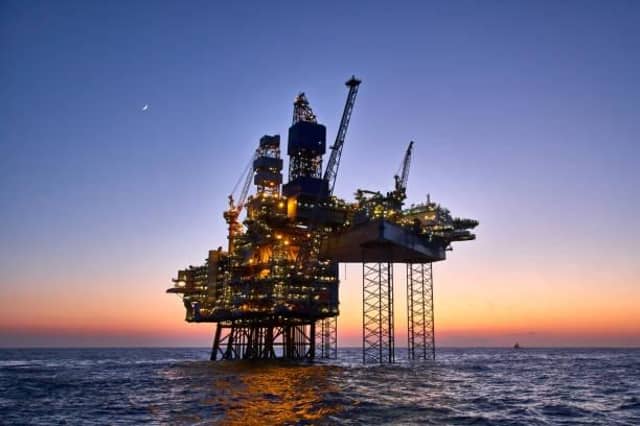

John Swinney’s recent comments on North Sea oil and gas production is a marked change in emphasis from the SNP’s earlier presumption against future exploration, writes Allister Thomas.
John Swinney’s softened stance on North Sea oil and gas is politically significant, but
more importantly it is a recognition of reality.
For too long, the debate on the future of the North Sea has been framed too
narrowly. What households pay for energy is plainly part of that picture, but so too
are jobs, economic value, climate impacts and, increasingly, energy security.
Oil and gas is an industry which measures investment over years and decades, not
news cycles or even parliamentary terms, and it needs long-term stability to deliver
that investment. The industry has been rocked by near-constant changes to the tax
regime and wider UK policy in recent years.
That is why the First Minister’s shift matters. This week, he said climate compatibility
and that if domestic production is less carbon intensive than imports, it should be
preferred. That is a marked change in emphasis from the SNP’s earlier presumption
against future exploration, and from the tone struck by the party in recent years.

Britain still relies on fossil fuels for more than 70% of its energy demand and imports
account for more than 40% of demand. Cleaner power is growing strongly, and we
should support that to its fullest extent. But in the energy system we actually have,
rather than the one some politicians talk about as if it has already arrived, oil and gas
still matter. That point has been sharpened by the crisis in the Middle East.
Concerns over diesel and jet fuel supplies have intensified, prices have risen and
governments elsewhere have already begun looking at how to protect consumers
and conserve fuel. In Britain, that matters more when domestic refining capacity is
weaker than it was even a year ago.
It comes amid reports the Jackdaw gas field off Aberdeen is expected to be
approved by the UK Government. Jackdaw has capacity to meet around 6% of UK
gas demand, and can be piped directly into the UK system within months. In a
country still heavily reliant on gas, that is not a small point. Measured by emissions
intensity, Jackdaw is also around 10 times cleaner than imported LNG.
Rosebank, as an oil project, has different logistics, but it is part of the same wider
argument. The project is expected to support around 1,600 jobs at peak and deliver
£6.3bn of investment in UK-based businesses. With Grangemouth no longer refining
crude, much of that oil would move through the north-west Europe system and return
as refined products. Britain already operates within that system of energy security, so
producing more from our own waters still strengthens it.
And we can produce more: The UK will remain an importer whatever happens
because the basin is mature - but it is not exhausted. The NSTA regulator says
nearly three billion barrels of reserves remain, alongside more than six billion barrels
of contingent resources. That matters for energy security, tax revenue and the supply
chain jobs needed for the wider transition.
None of this is an argument against offshore wind. Quite the opposite. Scotland
should be doubling down on wind, grids, ports and industrial delivery. But it is wrong
to imagine that shutting down domestic oil and gas faster than demand falls is a
serious energy policy. Domestic production does not insulate Britain from global
prices, but producing more of what we still use at home, rather than importing more
of it, still means improved control over security of supply and less exposure to
disruption. Crucially, a government with more revenue from oil and gas has
significantly more flexibility to respond to global price shocks and the cost-of-living
crisis.
The better case - and the ones our politicians are belatedly edging towards - is for a
managed transition. Oil and gas and offshore wind are both part of the pragmatic
approach the UK will need for years to come.
Allister Thomas is the Head of Energy and True North Advisors and is based in Aberdeen
Comments
Want to join the conversation? Please or to comment on this article.